The ability to efficiently take bookings represents the cornerstone of successful salon operations in today's competitive beauty industry. Modern clients expect seamless, instant access to appointment scheduling across multiple channels, while salon owners need systems that minimize administrative overhead and maximize chair occupancy. The transition from manual appointment books to digital scheduling platforms has fundamentally transformed how salons manage their client flow, revenue streams, and operational efficiency. Understanding the strategic importance of your booking process can mean the difference between a thriving salon and one struggling to fill its schedule.
The Financial Impact of Efficient Booking Management
Salons that optimize how they take bookings see measurable improvements in their bottom line. According to industry research, businesses using automated scheduling systems report a 30-40% reduction in no-shows compared to those relying on phone-based bookings alone. This translates directly to revenue protection, as no-shows cost the beauty industry an estimated $35 billion annually.
Revenue optimization extends beyond preventing missed appointments. When clients can take bookings 24/7 through online platforms, salons capture appointments during off-hours when phone lines are closed. Data shows that approximately 40% of online bookings occur outside regular business hours, representing revenue that would otherwise be lost.
Key financial benefits of streamlined booking systems include:
- Reduced administrative costs through automation of confirmation and reminder workflows
- Higher average ticket values when clients can browse and book premium services without pressure
- Improved resource utilization through intelligent scheduling that maximizes stylist productivity
- Enhanced cash flow with automated deposit collection and prepayment options
Multi-Channel Booking Strategies That Drive Growth
The modern salon client journey involves multiple touchpoints before an appointment is confirmed. Research indicates that 70% of consumers prefer to take bookings through self-service digital channels rather than phone calls. Meeting clients where they are requires a comprehensive multi-channel approach.
Website Integration
Your salon's website should serve as the primary booking hub. Optimizing online appointment scheduling requires attention to user experience, mobile responsiveness, and real-time availability displays. The booking widget should load quickly, present clear service descriptions with accurate pricing, and allow clients to select their preferred stylist.
Implementing a prominent booking button throughout your website reduces friction. Place calls-to-action on your homepage, service pages, and blog posts. The easier you make it for clients to take bookings, the higher your conversion rate.
Social Media Booking Capabilities
Instagram and Facebook have become critical discovery platforms for salons. Integrating booking functionality directly into your social media profiles creates a frictionless path from inspiration to appointment. When clients see a hairstyle they love on your Instagram feed, they should be able to take bookings with two clicks.
Social media scheduling features also enable you to:
- Capture impulse bookings during promotional campaigns
- Convert follower engagement into revenue opportunities
- Track which content drives the most appointment requests
- Build customer profiles based on service preferences and booking patterns
Mobile App Advantages
While not essential for every salon, branded mobile apps offer unique benefits for establishments with strong client loyalty. Apps provide push notification capabilities for last-minute openings, personalized service recommendations based on booking history, and loyalty program integration that drives repeat visits.
| Channel | Conversion Rate | Average Booking Time | Client Preference |
|---|---|---|---|
| Phone | 45-55% | 5-8 minutes | 30% |
| Website | 65-75% | 2-4 minutes | 45% |
| Mobile App | 75-85% | 1-3 minutes | 15% |
| Social Media | 55-65% | 3-5 minutes | 10% |
Reducing No-Shows Through Strategic Booking Policies
No-shows represent one of the most significant revenue drains for salon businesses. Implementing strategic policies when you take bookings can dramatically reduce this problem without damaging customer relationships.
Automated Reminder Systems
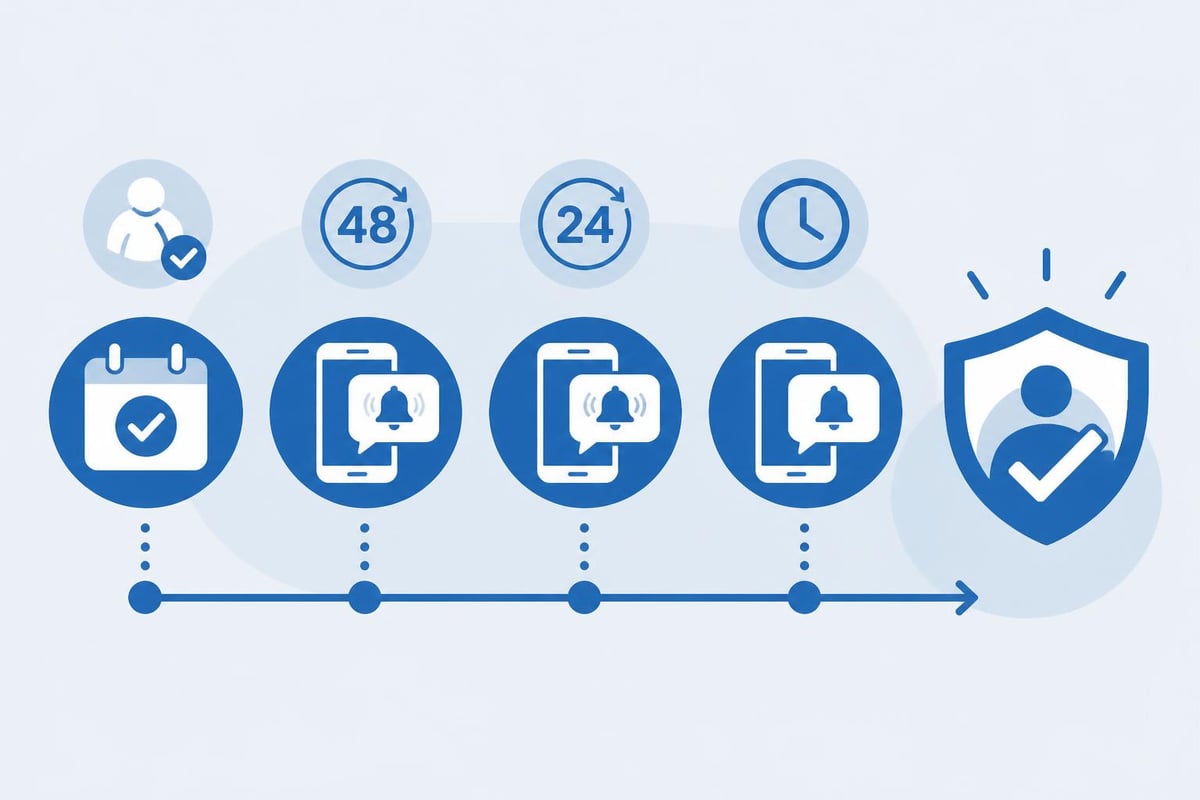
Confirmation and reminder messages should be automated and multi-layered. The power of online booking systems for SMEs demonstrates that automated reminders can reduce no-shows by up to 40%. Best practice includes:
- Immediate confirmation when the appointment is booked
- A reminder sent 48 hours before the appointment
- A final reminder sent 24 hours before the appointment
- Optional same-day reminder for morning appointments
Each reminder should include appointment details, stylist name, service description, total cost, and easy options to confirm, reschedule, or cancel.
Deposit and Prepayment Strategies
Requiring deposits for new clients or high-value services creates financial commitment that dramatically reduces no-shows. Industry data shows that appointments with deposits attached have a 90% show rate compared to 70% for appointments without financial commitment.
Deposit implementation best practices:
- Charge 25-50% of service cost as a deposit
- Apply deposits toward final payment rather than treating them as separate fees
- Clearly communicate cancellation policies at the time of booking
- Make deposit collection seamless through integrated payment processing
- Consider full prepayment for package deals or special event services
Cancellation Policy Framework
Clear, fair cancellation policies protect your business while maintaining customer goodwill. When clients take bookings, they should see your cancellation terms prominently displayed and be required to acknowledge them. Standard industry policies typically require 24-48 hours notice for cancellation without penalty.
Enforcing these policies consistently builds respect for your time and teaches clients to value their appointments. Consider offering a grace period for first-time clients or long-standing customers, but document patterns of repeated cancellations.
Optimizing the Client Booking Experience
The ease and quality of your booking experience directly influences client satisfaction and retention rates. According to customer experience research, 86% of buyers are willing to pay more for a better experience, making booking optimization a competitive differentiator.
Service Menu Clarity
When potential clients attempt to take bookings, they should immediately understand their options. Vague service descriptions create confusion and lead to booking abandonment. Each service listing should include:
- Clear, descriptive service name (avoid industry jargon)
- Accurate duration ranges (accounting for consultation and setup time)
- Transparent pricing or price ranges for complex services
- Brief description of what's included
- Photos or before/after examples where appropriate
- Stylist skill level requirements or specializations
For complex services like color treatments, consider implementing a brief questionnaire during booking to capture essential information about current hair condition, desired results, and previous treatments. This reduces back-and-forth communication and helps stylists prepare appropriately.
Stylist Selection Options
Clients value the ability to book with specific stylists, but this should be presented as a preference rather than a requirement. Offering both "first available" and "select stylist" options accommodates different client priorities. Some clients prioritize convenience and timing, while others have established relationships with particular team members.
Balancing stylist selection with schedule optimization:
- Display all available time slots prominently
- Allow filtering by preferred stylist
- Show stylist profiles with specialties and experience levels
- Offer slight incentives for booking with newer team members
- Enable "notify me" features for preferred stylist availability
Time Slot Intelligence
Smart scheduling algorithms prevent double-bookings, account for service duration buffers, and optimize staff utilization. When implementing systems to take bookings, ensure your platform can:
- Block appropriate time based on service complexity
- Add buffer time for cleanup and preparation between appointments
- Prevent overlapping services for the same stylist
- Suggest optimal appointment times based on historical data
- Accommodate walk-in buffer slots during peak hours
The ability to understand online appointment scheduling features helps you select platforms with sophisticated scheduling logic that works behind the scenes.
Data-Driven Booking Management
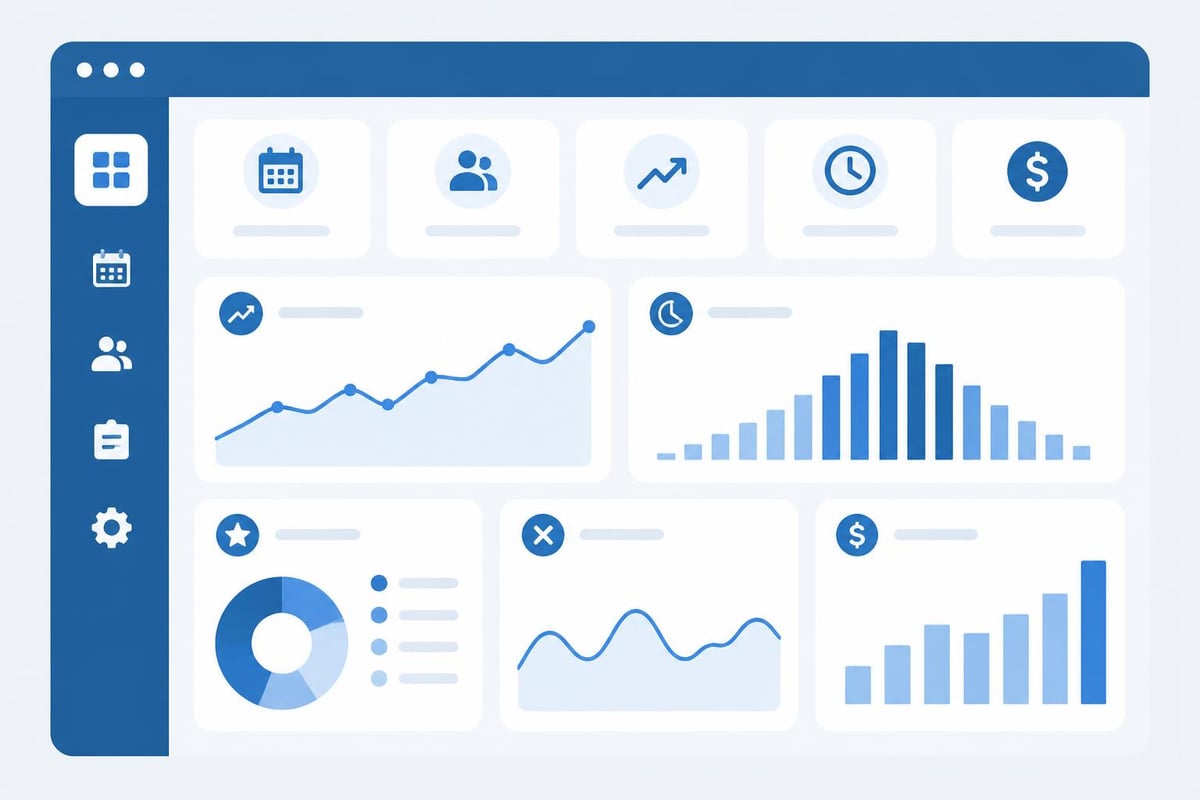
Analytics transform your booking system from a scheduling tool into a strategic business asset. The data generated when clients take bookings provides insights that drive better decision-making across operations, marketing, and financial planning.
Key Performance Indicators to Monitor
Successful salon owners track specific metrics related to their booking performance. These indicators reveal trends, problems, and opportunities that might otherwise remain hidden.
| Metric | Target Range | What It Reveals |
|---|---|---|
| Online Booking Rate | 60-80% | Digital adoption and website effectiveness |
| Average Booking Value | $75-150 | Service mix and upsell success |
| Schedule Fill Rate | 70-85% | Capacity utilization and demand matching |
| Cancellation Rate | Below 10% | Policy effectiveness and client commitment |
| Rebooking Rate | Above 60% | Client satisfaction and retention |
| Average Days Between Visits | 30-60 days | Service frequency and client loyalty |
Demand Pattern Analysis
Understanding when clients want to take bookings allows you to align staffing with demand. Analyze booking data by:
- Day of week patterns (typically Tuesday-Saturday peak for salons)
- Time of day preferences (often late afternoon and evening surge)
- Seasonal fluctuations (wedding season, holidays, back-to-school)
- Service-specific patterns (color services typically weekend, cuts more flexible)
This analysis informs decisions about operating hours, staffing schedules, promotional timing, and resource allocation. For example, if data shows consistent Saturday morning demand that exceeds capacity, you might open earlier on weekends or add temporary staff during peak seasons.
Client Behavior Insights
Booking data reveals valuable information about client preferences and behaviors. Track which services are frequently booked together to create package offerings. Identify clients who haven't booked in 60+ days for targeted retention campaigns. Analyze the typical customer journey from first appointment to loyal regular.
Businesses in service industries, including specialized fields like console repair services, have successfully used booking data to optimize their operations, demonstrating how appointment analytics drive efficiency across diverse sectors.
Technical Infrastructure for Reliable Booking Systems
The backend technology supporting your ability to take bookings must be robust, secure, and integrated with other business systems. Technical failures in booking infrastructure directly impact revenue and damage client trust.
Essential System Requirements
Modern booking platforms should offer comprehensive functionality that addresses the full appointment lifecycle. Core technical requirements include:
- Cloud-based architecture ensuring 24/7 availability and automatic updates
- Mobile-responsive design providing seamless experiences across all devices
- Calendar synchronization preventing double-bookings across platforms
- Payment gateway integration enabling deposits and prepayments securely
- Email and SMS capabilities powering automated communication workflows
- Reporting and analytics delivering actionable business intelligence
Security and Data Protection
When clients take bookings, they entrust you with personal information including contact details, service preferences, and payment data. Compliance with data protection regulations isn't optional. Your booking system must implement:
- Encrypted data transmission (SSL/TLS certificates)
- PCI-DSS compliant payment processing
- Secure client data storage with access controls
- Regular security audits and vulnerability testing
- Clear privacy policies and consent management
- Data backup and disaster recovery protocols
Security breaches not only expose you to legal liability but permanently damage client trust. Choosing established booking platforms with proven security track records protects your business and your clients.
Integration Capabilities
Your booking system should connect seamlessly with other business tools. Integration eliminates duplicate data entry, reduces errors, and creates unified workflows. Priority integrations include:
Point-of-sale systems for synchronized inventory and payment processing
Marketing platforms enabling targeted campaigns based on booking behavior
Customer relationship management creating comprehensive client profiles
Accounting software automating financial recordkeeping and reporting
Website builders embedding booking widgets with consistent branding
Well-integrated systems create operational efficiency that frees your time for client service rather than administrative tasks.
Advanced Booking Features That Differentiate Your Salon
Beyond basic appointment scheduling, advanced features help you take bookings more effectively while delivering superior customer experiences. These capabilities separate industry leaders from basic operators.
Waitlist Management
Waitlists capture demand when your preferred time slots fill. When clients request unavailable times, add them to an automated waitlist that notifies them immediately when cancellations create openings. This feature:
- Recovers revenue from cancellations by instantly filling gaps
- Demonstrates responsiveness to client preferences
- Provides data about unmet demand that might justify extended hours or additional staff
- Reduces the frustration of clients who can't get their preferred times
Service Customization and Add-Ons
Allow clients to customize their appointments during the booking process. Offer related services as add-ons with clear pricing and time adjustments. For example, when booking a haircut, suggest conditioning treatments, scalp massages, or styling services. This increases average ticket values while giving clients comprehensive service information upfront.
Group Booking Capabilities
Some services work well for groups, such as bridal parties, special events, or friends scheduling spa days together. Group booking features coordinate multiple services across different stylists while keeping the party together. This functionality requires sophisticated scheduling logic but creates memorable experiences and higher revenue per time block.
Dynamic Pricing Options
Peak time surcharges and off-peak discounts help balance demand throughout the week. When clients take bookings during typically slow periods, small discounts incentivize flexibility. Conversely, premium pricing for Saturday mornings reflects true market demand and maximizes revenue from your most valuable inventory: appointment slots during peak times.
Training Your Team on Booking System Excellence
Technology only delivers results when your team uses it effectively. Comprehensive training ensures everyone maximizes the booking system's potential while maintaining service quality.
Staff Onboarding Protocol
When implementing new booking systems or hiring new team members, structured training prevents confusion and errors. Create a standardized onboarding process that includes:
- System navigation and interface familiarization
- How to manually add, edit, and cancel appointments
- Managing schedule preferences and availability
- Handling client questions about the booking process
- Troubleshooting common technical issues
- Understanding reports and using data for improvement
Encouraging Staff Adoption
Resistance to new technology often stems from fear or inconvenience. Build buy-in by demonstrating how booking systems make stylists' lives easier. Emphasize benefits like reduced administrative burden, better schedule visibility, automatic client history access, and fair distribution of appointments.
Involve team members in selecting and configuring booking systems. When staff have input on features and settings, they develop ownership and enthusiasm for the technology.
Continuous Improvement Culture
Regular team meetings should include booking system performance reviews. Discuss metrics, share best practices, identify problems, and brainstorm solutions collectively. When everyone understands how booking efficiency impacts salon success, they become invested in optimization.
Consider appointing a booking system champion on your team who stays updated on new features, helps troubleshoot issues, and shares tips with colleagues. This peer-to-peer knowledge sharing often proves more effective than top-down directives.
Measuring Success and Continuous Optimization
The most successful salons treat their booking systems as evolving tools requiring ongoing refinement. Regular assessment and optimization ensure you continue extracting maximum value from your scheduling platform.
Monthly Performance Reviews
Schedule monthly reviews of booking system performance. Analyze trends in:
- Total appointments booked
- Percentage of online versus phone bookings
- Average time from booking to appointment date
- Cancellation and no-show rates
- Revenue per appointment slot
- Client feedback about the booking experience
Compare current month performance to previous periods and industry benchmarks. Identify both improvements and areas of concern requiring attention.
Client Feedback Integration
Your clients are the ultimate judges of booking system effectiveness. Regularly solicit feedback about their experience when they take bookings. Simple post-appointment surveys asking about the booking process reveal friction points you might not notice internally.
Questions to include in booking experience surveys:
- How easy was it to find and book your appointment?
- Did you have all the information you needed to make service selections?
- How would you rate the confirmation and reminder process?
- What would improve your booking experience?
Act on feedback promptly. When clients suggest improvements, implement changes and communicate back that you listened. This builds loyalty and demonstrates customer-centric operations.
Competitive Analysis
Monitor how competing salons in your market handle bookings. Secret shop competitors by attempting to book appointments through their systems. Note features they offer that you lack, pain points in their processes, and opportunities to differentiate your experience.
Competitive awareness doesn't mean copying every feature. Instead, identify gaps in the market where superior booking experiences create competitive advantage. Perhaps competitors require phone calls for certain services while you offer comprehensive online booking. Or maybe they lack clear cancellation policies while you provide transparent, fair terms.
Technology Updates and New Features
Booking system providers continuously release updates and new features. Stay informed about platform improvements and evaluate which additions benefit your specific operation. Best practices for successfully implementing online scheduling emphasize the importance of leveraging technology updates to maintain competitive positioning.
Schedule quarterly reviews of your booking platform's roadmap and feature releases. Test new capabilities in controlled environments before full rollout, and train staff on significant changes before client-facing implementation.
Mastering how to take bookings efficiently requires strategic thinking about technology, customer experience, and operational workflows. By implementing multi-channel booking options, reducing no-shows through smart policies, optimizing the client experience, and leveraging data analytics, your salon can transform appointment scheduling from an administrative burden into a competitive advantage. Salon Booking System provides the comprehensive tools and features necessary to streamline your booking process, from online payments and automated reminders to advanced scheduling rules that maximize your revenue. Since 2016, salon owners have relied on our platform to enhance customer satisfaction while reducing administrative overhead, and we're ready to help your business achieve the same results.