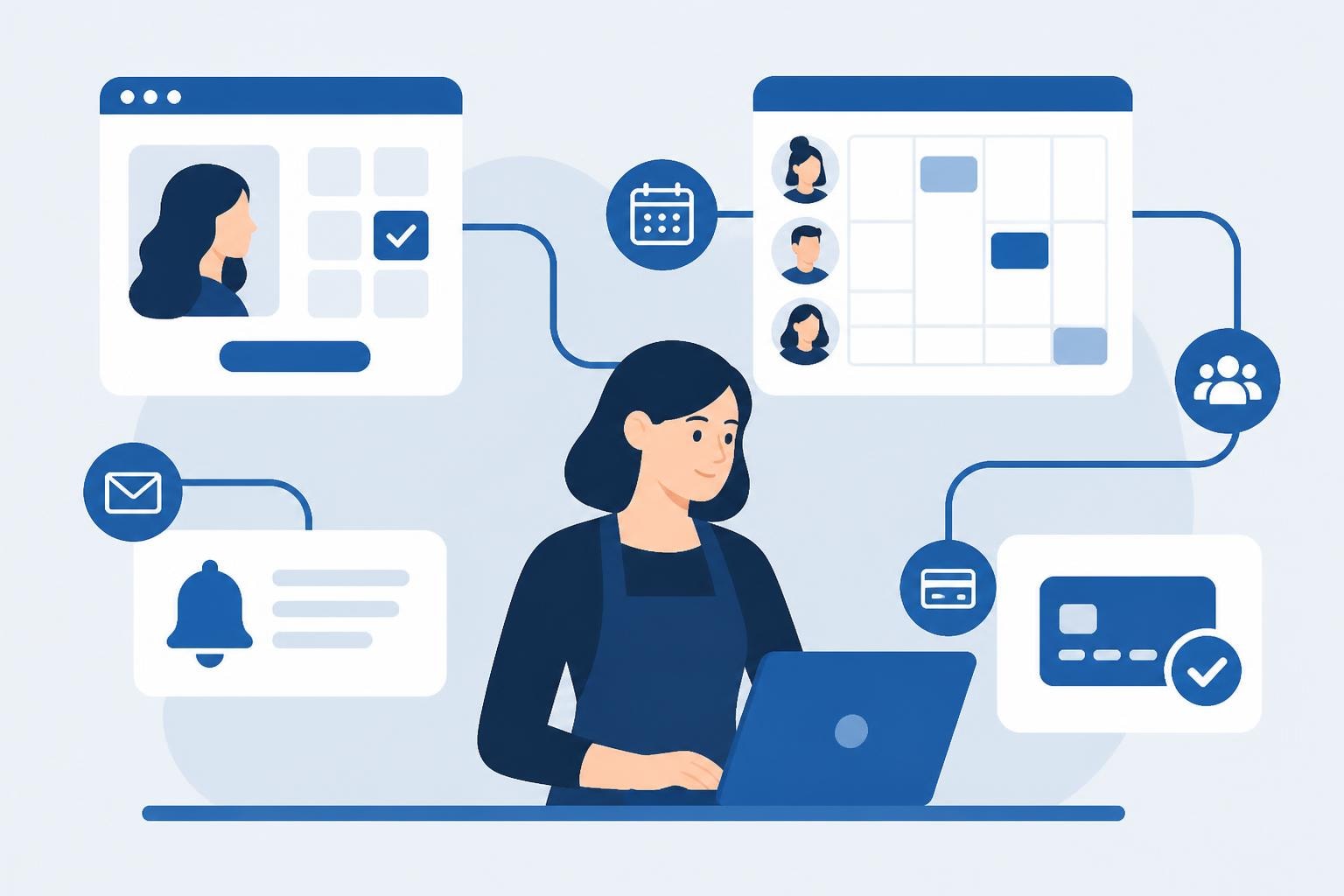
The beauty industry continues to evolve at a rapid pace, with client expectations rising and competition intensifying across markets. Salon owners and managers face the complex challenge of coordinating appointments, managing staff schedules, processing payments, and maintaining exceptional client relationships-all while trying to grow their business. A comprehensive salon management program addresses these challenges by centralizing operations into a single, efficient system that reduces administrative burden and enhances the client experience.
Why Salons Need Dedicated Management Software
Operating a successful salon requires juggling multiple responsibilities simultaneously. Traditional paper-based systems or basic spreadsheets simply cannot keep pace with the demands of modern beauty businesses.
The operational challenges facing salon owners include:
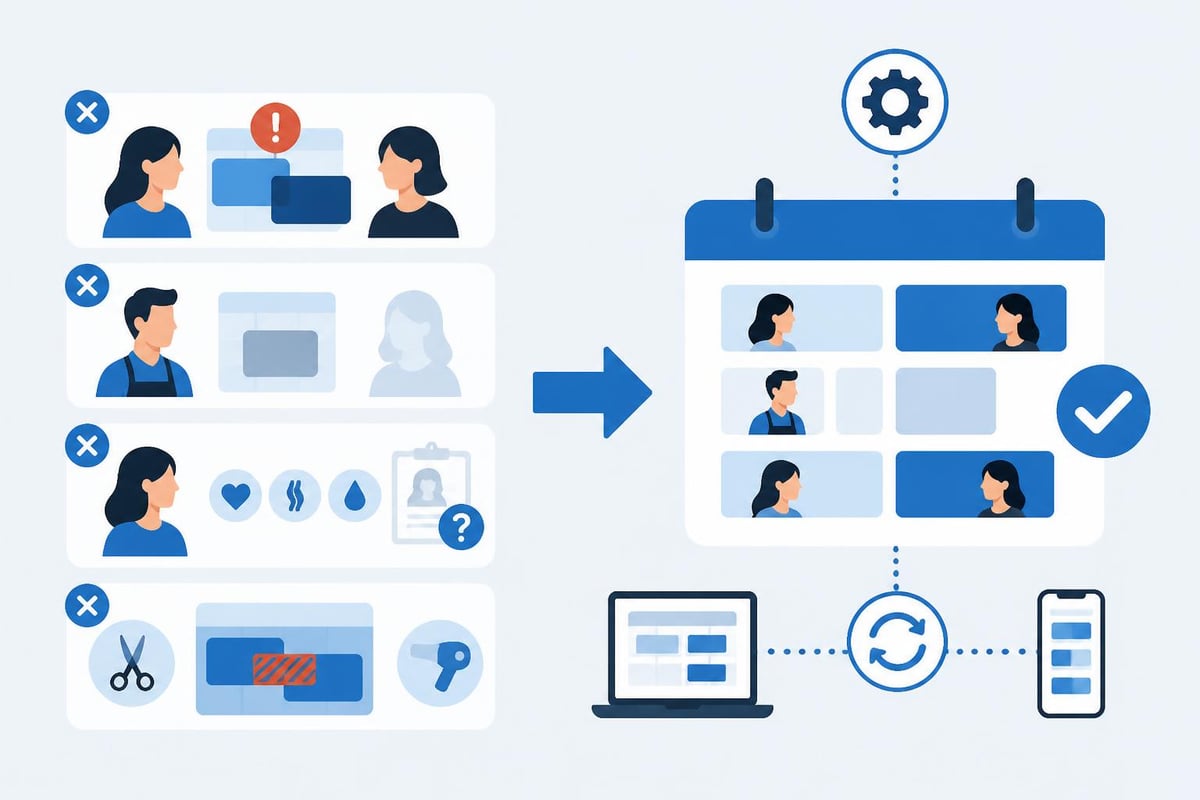
- Managing overlapping appointments and preventing double-bookings
- Tracking client preferences, service history, and product usage
- Coordinating multiple staff schedules and break times
- Processing various payment methods securely
- Reducing no-show appointments that cost revenue
- Maintaining consistent client communication
- Generating accurate business reports for decision-making
According to industry research, salons that implement dedicated management software report a 40% reduction in administrative time and a 25% increase in appointment capacity within the first six months. These improvements directly translate to higher revenue and better work-life balance for salon owners.
A professional salon management program eliminates inefficiencies by automating routine tasks. This automation allows staff to focus on delivering exceptional services rather than managing paperwork or fielding phone calls during peak hours.
Core Features of Effective Salon Management Programs
Not all management solutions offer the same capabilities. Understanding which features deliver the most value helps salon owners make informed decisions about software investments.
Online Booking and Appointment Scheduling
Modern clients expect the convenience of booking appointments 24/7 through their smartphones or computers. A robust salon management program provides an intuitive online booking interface that integrates seamlessly with your existing calendar system.
Key scheduling capabilities include:
- Real-time availability updates across all service providers
- Customizable service menus with accurate duration and pricing
- Buffer time configuration between appointments
- Automated appointment reminders via SMS and email
- Recurring appointment scheduling for regular clients
The best practices for salon scheduling emphasize the importance of structuring your service menu efficiently and implementing strategies that maximize chair utilization. These practices become significantly easier when supported by intelligent software.
Client Management and Communication
Building lasting relationships with clients requires maintaining detailed records and consistent communication. Your salon management program should serve as a comprehensive client database that tracks every interaction.
| Client Management Feature | Business Impact | Implementation Priority |
|---|---|---|
| Service history tracking | Enables personalized recommendations | High |
| Product purchase records | Supports targeted retail sales | Medium |
| Preference documentation | Improves satisfaction and retention | High |
| Automated birthday greetings | Strengthens relationships | Medium |
| Feedback collection | Identifies improvement opportunities | High |
| Loyalty program integration | Increases repeat visits | Medium |
Research from the Professional Beauty Association indicates that clients who receive personalized service recommendations spend 35% more per visit than those receiving generic offerings. This personalization relies on accessible, organized client data.
Payment Processing and Financial Management
Streamlined payment processing reduces transaction time and improves cash flow management. Modern salon management programs integrate multiple payment methods into a single system.
The financial capabilities should include:
- Secure credit card processing with PCI compliance
- Split payment options for group bookings
- Automated invoice generation and delivery
- Tip management and distribution
- Sales tax calculation and reporting
- Integration with accounting software
Clients appreciate the flexibility of choosing their preferred payment method, whether that's traditional cards, mobile wallets, or contactless payments. Comprehensive salon management software can process transactions efficiently while automatically recording financial data for reporting purposes.
Selecting the Right Salon Management Program
Choosing software that aligns with your specific business needs requires careful evaluation. Not every salon operates identically, and your management program should adapt to your unique workflow rather than forcing you to conform to rigid systems.
Evaluating Software Options
Start by identifying your most critical pain points. Are you struggling with no-shows? Do you need better inventory tracking? Is staff scheduling consuming too much time? Prioritizing these challenges helps you focus on solutions that deliver immediate value.
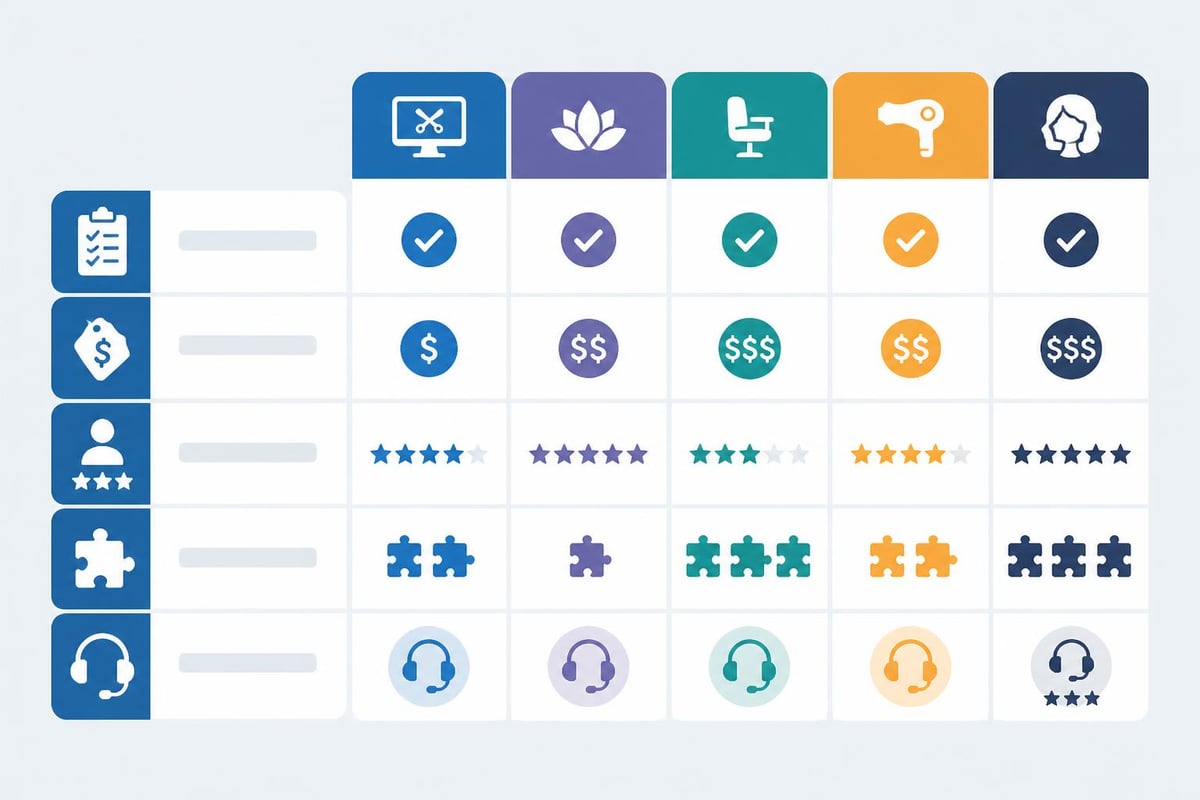
Assessment criteria for comparison:
- Ease of use: Can your entire team learn the system quickly without extensive training?
- Mobile accessibility: Do staff and clients have full functionality on smartphones and tablets?
- Customization options: Does the software adapt to your services, pricing structure, and policies?
- Integration capabilities: Can it connect with your existing tools like email marketing or accounting software?
- Customer support: Is reliable technical assistance available when you need it?
- Scalability: Will the system grow with your business as you add locations or services?
- Pricing structure: Does the cost align with your budget and provide clear ROI?
The essential features to look for in salon management software include seamless online booking, inventory management, and integrated marketing tools. These capabilities work together to create a comprehensive operational system.
Implementation and Staff Training
Successfully deploying a new salon management program requires more than just purchasing software. The transition period demands careful planning and team involvement.
Implementation steps for smooth adoption:
- Data migration: Transfer existing client records, appointment history, and product inventory into the new system
- System configuration: Customize services, pricing, staff schedules, and business rules
- Team training: Conduct hands-on sessions covering daily operations, troubleshooting, and advanced features
- Soft launch: Run parallel systems temporarily to identify issues before full commitment
- Client communication: Inform customers about new booking options and any procedural changes
- Ongoing optimization: Regularly review system usage and adjust settings based on real-world performance
According to a 2025 survey by Salon Today, salons that invest in comprehensive staff training during software implementation see 60% higher adoption rates and fewer operational disruptions during the transition period.
Maximizing ROI from Your Management Program
Simply installing software doesn't guarantee improved performance. Extracting maximum value requires actively leveraging available features and continuously refining your processes.
Reducing No-Shows and Cancellations
Missed appointments represent one of the most significant revenue drains for salons. Industry data suggests that the average salon experiences a 15-20% no-show rate without proactive prevention measures.
Your salon management program can address this challenge through:
- Automated reminder sequences (48 hours, 24 hours, and 2 hours before appointments)
- Easy rescheduling options within reminder messages
- Waitlist management to fill cancelled slots immediately
- Deposit requirements for first-time clients or high-value services
- Cancellation policies clearly communicated during booking
Implementing these strategies through proven salon management practices can reduce no-shows by up to 70%, directly improving profitability without requiring additional marketing investment.
Optimizing Staff Productivity
Labor costs typically represent 40-60% of salon expenses, making staff efficiency crucial for profitability. A well-configured salon management program helps maximize productive hours.
| Productivity Metric | Benchmark Target | How Software Helps |
|---|---|---|
| Service time accuracy | 95% appointments finish within scheduled window | Historical data refines duration estimates |
| Chair utilization | 75-85% of available time booked | Real-time availability prevents gaps |
| Client retention | 60% return within 6 weeks | Automated follow-up prompts rebooking |
| Product attachment | 30% of clients purchase retail | Service history suggests relevant products |
| Break compliance | 100% of staff receive scheduled breaks | System blocks booking during break times |
Tracking these metrics through your management program's reporting features provides visibility into performance trends and highlights improvement opportunities.
Leveraging Data for Business Decisions
Modern salon management programs generate valuable analytics that inform strategic decisions. Moving beyond gut feelings to data-driven choices separates thriving salons from struggling competitors.
Key performance indicators to monitor:
- Revenue per service provider (identifying top performers and training opportunities)
- Service category profitability (determining which offerings deserve promotion)
- Peak booking times (optimizing staff scheduling for demand)
- Client acquisition cost (evaluating marketing effectiveness)
- Average ticket value (measuring upselling success)
- Rebooking rates (assessing client satisfaction)
A comprehensive guide to salon management software recommends reviewing these metrics monthly to identify trends early and adjust strategies proactively.
Enhancing Client Experience Through Technology
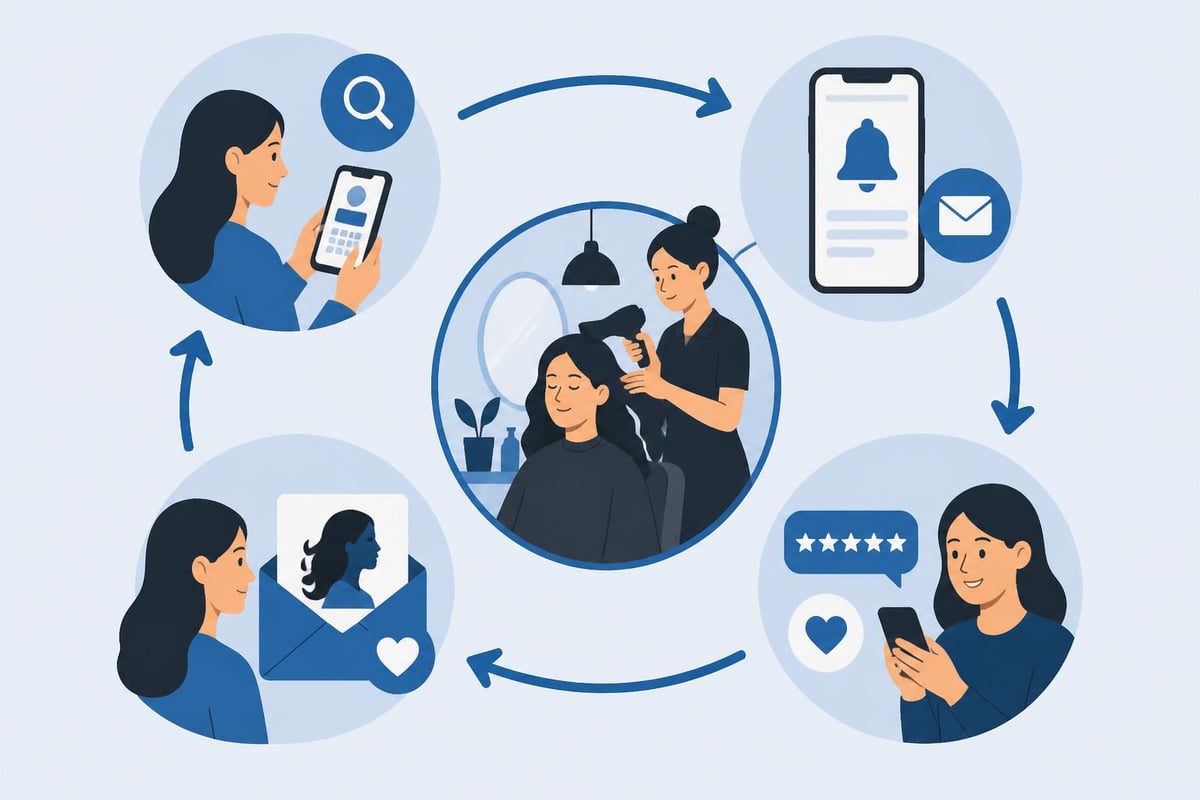
While operational efficiency matters tremendously, the ultimate measure of success is client satisfaction. Your salon management program should enhance every touchpoint in the client journey.
Streamlined Booking Process
Clients value convenience above nearly every other factor when choosing service providers. Research from McKinsey indicates that 40% of consumers switched service providers in 2025 specifically due to poor digital experiences.
The booking process should require minimal steps:
- Select desired service from clearly categorized menu
- Choose preferred date and time from available options
- Pick specific service provider or accept next available
- Provide contact information (autofilled for returning clients)
- Confirm appointment with single click
Complicated booking flows with excessive form fields or confusing navigation drive potential clients to competitors. Your salon management program should eliminate friction at every step.
Personalized Service Delivery
Clients increasingly expect personalized experiences that acknowledge their preferences and history. Your management system should make this personalization effortless for service providers.
Before each appointment, staff should access:
- Complete service history with previous stylist notes
- Product allergies or sensitivities
- Preferred conversation level (chatty versus quiet)
- Formula records for color services
- Past feedback or concerns
- Upcoming special occasions (birthdays, weddings, holidays)
This information enables meaningful conversations and demonstrates genuine care for individual needs, building loyalty that transcends price competition.
Post-Visit Engagement
The relationship doesn't end when clients leave your salon. Strategic follow-up maintains connection and encourages rebooking.
Automated post-visit communication sequence:
- Thank you message within 24 hours
- Feedback request after 48 hours
- Product care tips specific to service received
- Rebooking reminder based on service type (4 weeks for haircuts, 6-8 weeks for color)
- Special occasion acknowledgments (birthdays, anniversaries)
According to industry benchmarks, salons with structured follow-up programs maintain client retention rates 40% higher than those relying solely on organic rebooking.
Integration with Marketing Initiatives
Your salon management program shouldn't operate in isolation from marketing efforts. The most effective systems integrate client data with promotional campaigns to maximize impact.
Targeted Campaign Development
Generic mass marketing yields poor results compared to segmented campaigns addressing specific client groups. Your management software provides the data needed for precise targeting.
Segmentation opportunities:
- Clients who haven't visited in 90+ days (reactivation campaigns)
- Regular clients of specific services (introduce complementary offerings)
- High-value clients (VIP events and exclusive offers)
- Recent first-time visitors (welcome series encouraging second visit)
- Clients with upcoming birthdays or special occasions
Email marketing campaigns to these segments achieve open rates 50-70% higher than generic blasts, according to data from Constant Contact's beauty industry benchmarks.
Loyalty Program Management
Rewarding repeat business encourages long-term relationships and increases lifetime client value. Your salon management program should track loyalty points, tier status, and reward redemption automatically.
Effective loyalty structures include:
- Point accumulation based on spending or visit frequency
- Tiered benefits encouraging increased engagement
- Referral bonuses for bringing new clients
- Birthday rewards creating annual touchpoints
- Exclusive access to new services or products
Salons with active loyalty programs report 25-30% higher visit frequency among participants compared to non-members, representing significant revenue impact over time.
Security and Compliance Considerations
Managing sensitive client information and financial data requires robust security measures. Your salon management program must protect both your business and your clients.
Data Protection Requirements
Client records contain personally identifiable information (PII) including contact details, payment information, and potentially sensitive notes about appearance or preferences. Proper data handling isn't optional-it's both a legal requirement and ethical responsibility.
Essential security features:
- Encrypted data transmission (SSL/TLS protocols)
- Secure server storage with regular backups
- Role-based access controls limiting who sees what information
- PCI DSS compliance for payment processing
- Regular security audits and updates
- Clear data retention and deletion policies
The average cost of a data breach for small businesses reached $108,000 in 2025, according to IBM's Security Intelligence report. Investing in secure systems protects against devastating financial and reputational damage.
Privacy Policy Compliance
Various regulations govern how businesses collect, store, and use consumer data. While specific requirements vary by location, transparency and consent remain universal principles.
Your salon management program should facilitate:
- Clear privacy policy presentation during client onboarding
- Explicit consent for marketing communications
- Easy opt-out mechanisms for promotional messages
- Client access to their stored information
- Data portability if clients request their records
- Secure deletion when clients request information removal
Maintaining compliance protects your business legally while building trust with clients who increasingly value privacy in digital interactions.
Mobile Accessibility and Remote Management
The ability to manage your salon from anywhere provides flexibility crucial for modern business ownership. Cloud-based salon management programs enable comprehensive control through mobile devices.
Staff Mobile Applications
Service providers benefit from mobile access to their schedules, client information, and commission tracking. Mobile apps designed for staff typically include:
- Real-time schedule viewing and updates
- Client history and preferences before appointments
- Service completion recording and notes
- Retail product sales processing
- Break and time-off requests
- Performance metrics and earnings tracking
This mobile access reduces front desk bottlenecks and empowers service providers to manage their own workflows efficiently.
Owner Dashboard Access
Salon owners need visibility into operations even when off-site. Mobile dashboards provide real-time business intelligence including:
- Today's appointments and revenue
- Staff utilization rates
- Inventory levels requiring attention
- Client feedback and reviews
- Marketing campaign performance
- Financial summaries and trends
According to a 2025 survey by Salon Today, 78% of multi-location salon owners cite mobile management capabilities as their most valued software feature, enabling oversight without constant physical presence.
Future-Proofing Your Salon Operations
Technology continues evolving rapidly, and your salon management program should adapt to emerging trends rather than becoming obsolete.
Artificial Intelligence Integration
AI capabilities increasingly enhance salon management through:
- Predictive scheduling suggesting optimal appointment times
- Intelligent product recommendations based on service history
- Automated response handling for common client inquiries
- Dynamic pricing adjustments based on demand patterns
- Staff performance coaching based on data analysis
While these features remain emerging in 2026, salons should select management programs committed to incorporating AI thoughtfully as capabilities mature.
Emerging Payment Technologies
Payment preferences shift as new technologies gain consumer adoption. Your management system should accommodate:
- Contactless payments through NFC technology
- Buy now, pay later options for high-value services
- Cryptocurrency payments in markets where adoption grows
- Subscription models for regular service packages
- Integrated tipping through digital wallets
Flexibility in payment acceptance removes friction from transactions and accommodates diverse client preferences.
Sustainability Tracking
Environmental consciousness increasingly influences consumer choices. Progressive salon management programs may soon include:
- Product ingredient transparency and sustainability ratings
- Waste tracking and reduction goal monitoring
- Energy consumption analytics for operations
- Supplier sustainability scoring
- Carbon footprint calculation and offset options
While not yet mainstream requirements, these capabilities will likely become competitive differentiators as environmental awareness grows among beauty consumers.
A comprehensive salon management program transforms operational complexity into streamlined efficiency, enabling salon owners to focus on delivering exceptional client experiences rather than managing administrative chaos. The right software selection, combined with thoughtful implementation and continuous optimization, creates measurable improvements in both client satisfaction and business profitability. Salon Booking System offers the comprehensive features, user-friendly interface, and reliable support that salon owners need to modernize operations and scale their businesses successfully. Explore how our platform can simplify your appointment scheduling, enhance client communications, and drive growth for your salon.