Managing a modern hair salon requires juggling countless moving parts simultaneously: client appointments, staff schedules, inventory levels, payment processing, marketing campaigns, and customer relationship management. For salon owners still relying on paper appointment books or disconnected software tools, these operational demands create unnecessary stress, missed revenue opportunities, and dissatisfied clients. A comprehensive hair salon management system addresses these challenges by centralizing all business operations into a single, integrated platform that enhances efficiency and profitability.
The Evolution of Salon Operations Management
The beauty industry has undergone significant technological transformation over the past decade. Traditional appointment books and manual record-keeping systems have given way to sophisticated digital solutions that automate routine tasks and provide actionable business intelligence. According to industry research, salons using integrated management software report 30-40% reductions in administrative time and 15-25% increases in appointment bookings.
Modern salon owners face expectations that extend far beyond delivering quality hairstyling services. Clients now demand online booking convenience, automated appointment reminders, flexible payment options, and personalized service experiences. Meeting these expectations while maintaining profitability requires technological infrastructure that previous generations of salon owners never needed.
Core Components of Effective Management Systems
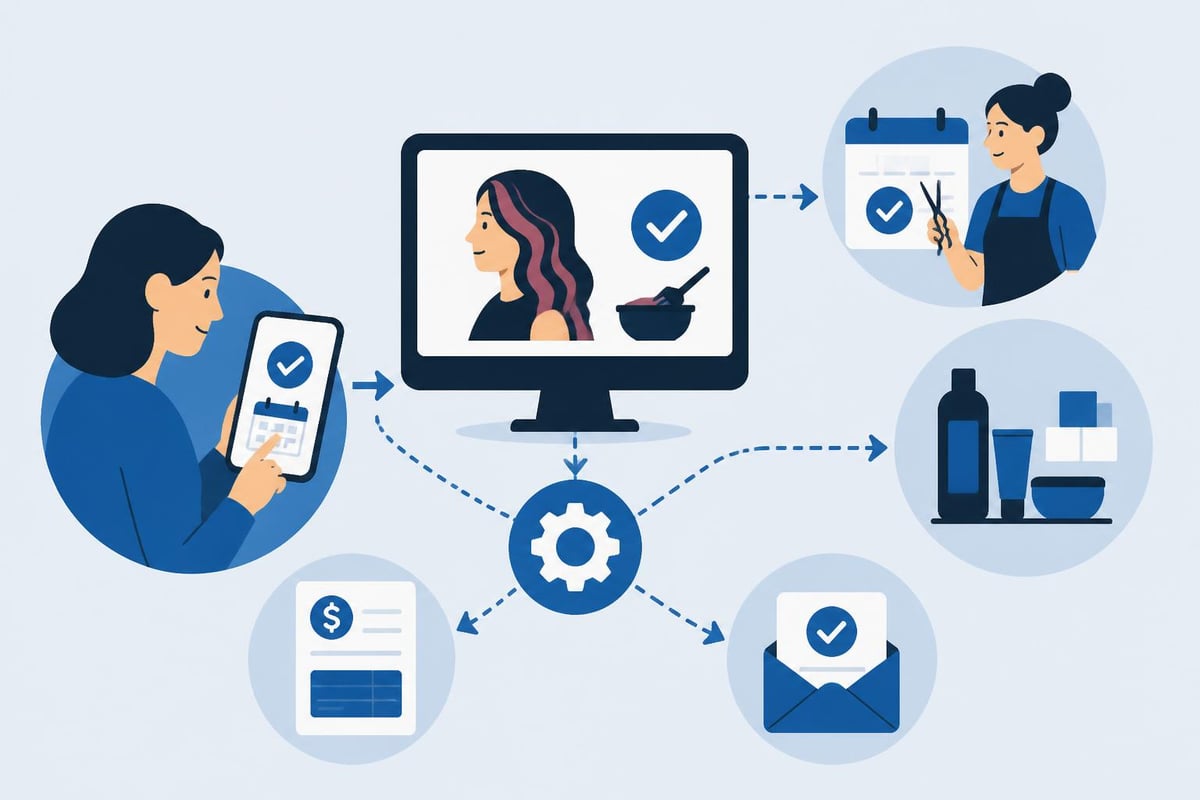
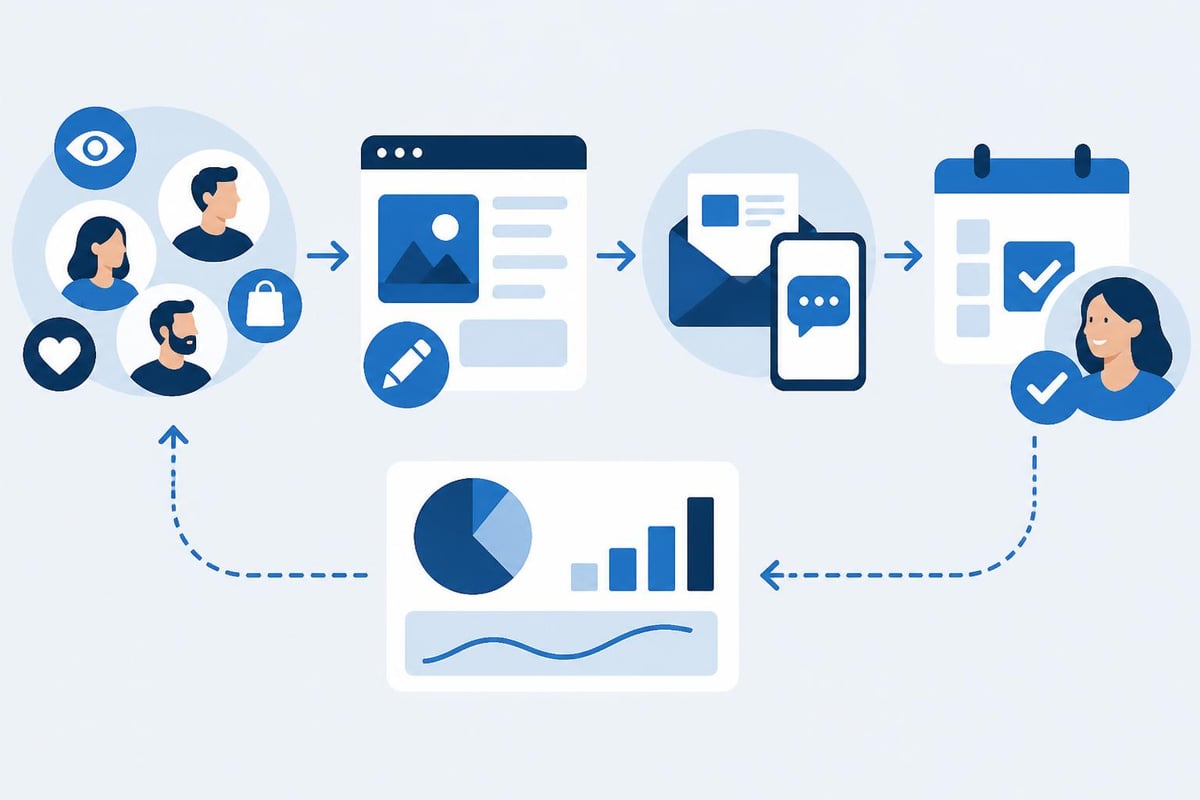
A robust hair salon management system encompasses multiple interconnected modules that work together seamlessly. Integrated workflows that connect booking, billing, client records, inventory, staff management, and reporting form the foundation of operational excellence.
Essential system capabilities include:
- Real-time appointment scheduling with automated conflict prevention
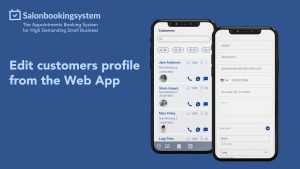
- Client database management with service history and preferences
- Point-of-sale integration for seamless payment processing
- Inventory tracking with low-stock alerts and automatic reordering
- Staff schedule management with commission calculation
- Marketing automation for email and SMS campaigns
- Comprehensive reporting and analytics dashboards
The integration between these components delivers exponential value beyond what standalone tools can provide. When your scheduling system automatically updates inventory levels, triggers appointment reminders, and records payment information simultaneously, you eliminate duplicate data entry and reduce human error significantly.
Operational Efficiency Through Automation
Manual processes consume valuable time that salon professionals could invest in revenue-generating activities or customer service excellence. Research indicates that salon owners spend an average of 10-15 hours weekly on administrative tasks when using manual or disconnected systems. Automation reduces this burden dramatically.
Appointment Management Automation
Online booking systems transform how clients schedule appointments. Rather than calling during business hours and waiting for someone to answer, clients can book services 24/7 from any device. This convenience factor alone drives significant booking increases, with salons reporting 20-30% growth in appointments after implementing online scheduling.
Automated appointment management delivers:
- Instant booking confirmation with calendar integration
- Automated reminder sequences via SMS and email at customizable intervals
- Waitlist management that fills cancellations automatically
- Service duration optimization preventing overbooking or excessive gaps
- Recurring appointment scheduling for regular maintenance clients
The system intelligently manages complex scheduling rules. For instance, if a client books both a haircut and color service, the hair salon management system automatically allocates appropriate time blocks, assigns the correct stylist with relevant expertise, and reserves necessary product inventory.
Effective salon management practices emphasize structured operations that create predictability and reduce owner dependency on micromanagement. Automation supports this philosophy by handling routine decisions according to predefined rules.
Staff Management Optimization
Managing a team of stylists, colorists, assistants, and front-desk personnel requires careful coordination. A comprehensive hair salon management system streamlines staff scheduling, performance tracking, and compensation management.
| Staff Management Feature | Manual Process Time | Automated Process Time | Efficiency Gain |
|---|---|---|---|
| Weekly schedule creation | 2-3 hours | 15-20 minutes | 85% reduction |
| Commission calculations | 1-2 hours | Automatic | 100% reduction |
| Performance tracking | 3-4 hours monthly | Real-time dashboard | 90% reduction |
| Time-off request processing | 30 min per request | 5 minutes | 83% reduction |
Staff scheduling becomes dramatically simpler when the system understands each team member's availability, skill sets, service certifications, and commission structures. The platform can suggest optimal schedules based on predicted demand patterns, ensuring appropriate coverage during peak hours while minimizing labor costs during slower periods.
Financial Management and Revenue Optimization
Accurate financial tracking provides the foundation for profitable salon operations. A hair salon management system captures every transaction, service, and retail sale in real-time, generating comprehensive financial reports that inform strategic decisions.
Revenue Stream Diversification
Successful salons generate income from multiple sources: services, retail product sales, membership programs, and packages. Tracking these revenue streams separately reveals which offerings drive profitability and which require adjustment.
Key financial metrics to monitor include:
- Average ticket value per client visit
- Service revenue versus retail product revenue ratio
- Revenue per available stylist hour
- Client retention and lifetime value
- New client acquisition cost
- Inventory turnover rate
The system should calculate these metrics automatically, displaying trends over time and comparing performance against previous periods. This visibility enables data-driven decisions about pricing, service offerings, and marketing investments.
Payment Processing Integration
Modern clients expect payment flexibility. Integrated payment processing within your hair salon management system allows acceptance of credit cards, debit cards, mobile payments, and digital wallets without separate equipment or manual reconciliation.
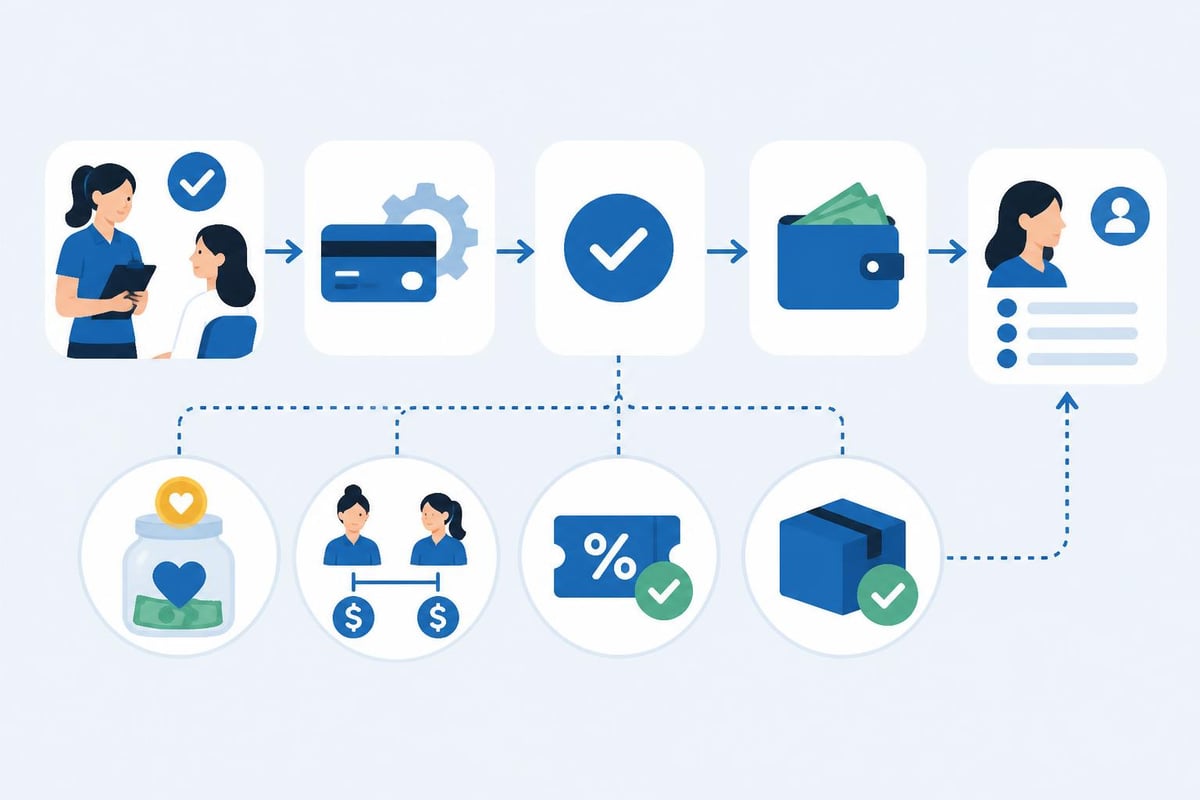
Automated payment features include split payments for group appointments, package and membership credits, tip allocation to specific service providers, and automatic tax calculation. This integration eliminates the reconciliation headaches that plague salons using separate booking and payment systems.
Client Relationship Management Excellence
Building lasting client relationships drives sustainable salon success. While technical skills attract new clients, consistent communication and personalized service create loyalty that withstands competitive pressure and price sensitivity.
Personalization at Scale
A sophisticated hair salon management system maintains detailed profiles for every client, recording service history, product preferences, color formulas, sensitivities or allergies, and personal notes. This information empowers every team member to deliver personalized experiences regardless of which stylist the client sees.
Client profile data enables:
- Color formula retrieval for consistent results across visits
- Allergy and sensitivity alerts that protect client safety
- Preference-based service recommendations
- Birthday and anniversary recognition
- Customized communication based on service intervals
When a client who typically books highlights every 8 weeks reaches week 7 without scheduling, the system can automatically send a personalized reminder message. This proactive communication prevents lapse and maintains service consistency.
Communication Automation
Strategic client communication drives retention and revenue growth. Automated communication systems reduce human error while maintaining consistent client engagement throughout the service lifecycle.
- Pre-appointment reminders sent 48 hours and 24 hours before scheduled services reduce no-shows by 30-40%
- Post-appointment follow-up messages thanking clients and requesting feedback demonstrate care and collect valuable insights
- Rebooking prompts sent at optimal intervals based on service type encourage consistent scheduling
- Birthday and milestone messages with special offers strengthen emotional connections
- Educational content about hair care and styling maintains engagement between visits
These automated sequences run continuously in the background, nurturing client relationships without requiring staff attention. The system personalizes messages using client names, service details, and stylist information, creating authentic communication at scale.
Inventory Control and Product Management
Product waste and stockouts directly impact salon profitability. Effective inventory management through a hair salon management system prevents revenue loss from both overstocking and understocking scenarios.
Automated Inventory Tracking
Manual inventory counting consumes significant time and introduces counting errors. Integrated systems track product usage automatically as services are performed and retail items are sold, maintaining accurate inventory levels in real-time.
| Inventory Challenge | Manual Management | Automated System | Impact |
|---|---|---|---|
| Stock level accuracy | 70-80% accurate | 95-98% accurate | Prevents stockouts |
| Time spent counting | 4-6 hours monthly | 15-30 minutes monthly | Staff efficiency |
| Waste from expired products | 5-8% of inventory cost | 1-2% of inventory cost | Direct cost savings |
| Reorder timing | Reactive/crisis-driven | Proactive/predictive | Revenue protection |
The system learns usage patterns for different products and services, predicting future needs based on scheduled appointments. When color products reach predetermined reorder points, the platform generates purchase orders automatically or sends alerts to responsible team members.
Retail Sales Optimization
Professional product retail represents significant revenue potential for salons. According to industry benchmarks, retail should comprise 10-15% of total salon revenue, yet many salons achieve only 3-5% because of inadequate product management and sales processes.
A comprehensive hair salon management system supports retail growth through point-of-sale integration, inventory visibility, and sales tracking by team member. Stylists can easily add retail products to client tickets during checkout, view which products are in stock, and track their individual retail performance.
Marketing Campaign Management
Consistent marketing drives new client acquisition and stimulates existing client spending. A hair salon management system with integrated marketing capabilities enables targeted campaigns based on client data and behavior patterns.
Segmented Campaign Targeting
Generic mass marketing yields poor results compared to targeted campaigns addressing specific client segments. Your management system should enable campaign creation based on multiple criteria:
- Last visit date (win-back campaigns for lapsed clients)
- Service types (promote complementary services)
- Spending levels (VIP offers for high-value clients)
- Demographics (age-appropriate service promotions)
- Seasonal patterns (pre-holiday appointment encouragement)
For example, SMS marketing campaigns targeting specific client segments have demonstrated significant booking increases while reducing administrative burden. The ability to measure campaign results directly within your hair salon management system enables continuous optimization.
Promotion and Package Management
Limited-time promotions and service packages encourage client spending and trial of new services. The system should support flexible promotion creation with automatic application at checkout, eliminating manual discount calculations and application errors.
Package and membership programs create predictable recurring revenue while encouraging regular visits. When clients purchase multi-service packages or monthly memberships, the hair salon management system tracks remaining services or credits, applies them automatically during booking, and sends notifications when packages near expiration.
Walk-In Client Management
Despite the growth of online booking, walk-in clients remain an important traffic source for many salons. Managing walk-in clients effectively requires systems that integrate both scheduled appointments and spontaneous visits.
Virtual queue management features allow walk-in clients to join a waiting list via kiosk or mobile device, receive wait time estimates, and get notified when their turn approaches. This approach eliminates physical crowding in reception areas and enables clients to wait elsewhere comfortably.
Walk-in management best practices include:
- Real-time availability visibility for quick service assignment
- Integration with scheduled appointments to prevent conflicts
- Automated wait time estimation based on current queue and service durations
- SMS notifications when service time approaches
- Historical walk-in pattern analysis for staffing optimization
Reporting and Business Intelligence
Data-driven decision-making separates thriving salons from struggling ones. A sophisticated hair salon management system generates comprehensive reports revealing business performance across multiple dimensions.
Performance Dashboard Essentials
Executive dashboards should display critical metrics at a glance, enabling quick assessment of business health without navigating multiple report screens. Essential dashboard components include:
- Daily, weekly, and monthly revenue trends with comparison to previous periods
- Appointment book fill rates identifying scheduling gaps
- Staff utilization and productivity metrics
- New client acquisition versus retention statistics
- Service category performance showing which offerings drive revenue
- Retail product sales tracking against goals
- Outstanding balances and payment issues requiring attention
Advanced systems incorporate predictive analytics, using historical patterns to forecast future demand and revenue. This capability enables proactive staffing decisions and inventory planning rather than reactive crisis management.
Custom Report Generation
While standard reports address common needs, every salon has unique questions requiring custom analysis. The ability to create filtered, sorted, and grouped reports based on any data combination empowers owners to investigate specific business questions.
For instance, you might analyze which marketing channels produce the highest lifetime value clients, which service combinations generate the largest tickets, or which stylists excel at retail sales. These insights inform strategic decisions about marketing investments, service menu development, and staff training priorities.
Data Security and Compliance Considerations
Client information privacy and data security represent critical responsibilities for salon owners. A professional-grade hair salon management system implements multiple security layers protecting sensitive information.
Security features to require:
- Encrypted data transmission and storage
- Role-based access controls limiting information visibility
- Automated backup procedures with redundant storage
- Payment Card Industry (PCI) compliance for card processing
- Audit trails tracking data access and modifications
- Secure client portal access with authentication requirements
Beyond technical security measures, ensure your chosen system vendor maintains appropriate certifications and follows industry best practices for data protection. The reputational and financial consequences of a data breach far exceed any savings from choosing inadequate systems.
Implementation and Team Adoption Strategies
Technology investments deliver value only when team members adopt and utilize new systems effectively. Successful hair salon management system implementation requires careful planning, comprehensive training, and ongoing support.
Phased Implementation Approach
Rather than attempting to activate all system features simultaneously, implement core functionality first and expand gradually. This approach prevents overwhelming team members while building confidence through early wins.
Recommended implementation phases:
- Phase 1: Online booking and appointment calendar (Weeks 1-2)
- Phase 2: Client database migration and point-of-sale integration (Weeks 3-4)
- Phase 3: Inventory management and staff scheduling (Weeks 5-6)
- Phase 4: Marketing automation and advanced reporting (Weeks 7-8)
Each phase should include hands-on training sessions, reference documentation, and dedicated support availability. Identify system champions among your team who learn quickly and can assist colleagues with questions.
Change Management Best Practices
Resistance to new systems often stems from fear of complexity or concern about job security. Address these concerns proactively through transparent communication about implementation goals and benefits for all stakeholders.
Emphasize how the hair salon management system reduces frustrating manual tasks, enabling team members to focus on client service and creative work they enjoy. Share specific examples of time savings and eliminated irritations that the new system will provide.
Celebrate adoption milestones and recognize team members who embrace the new platform enthusiastically. Their positive attitude influences colleagues and accelerates organization-wide acceptance.
Mobile Accessibility and Remote Management
Salon owners and managers cannot remain tethered to front desk computers throughout operating hours. Mobile applications extending your hair salon management system to smartphones and tablets enable business oversight from anywhere.
Critical mobile capabilities include:
- Real-time schedule visibility with modification ability
- Client lookup and service history access
- Payment processing for mobile stylists or events
- Inventory checks and reorder requests
- Performance dashboard access
- Client communication tools
Mobile accessibility proves particularly valuable for multi-location salon groups, traveling educators, or owners balancing salon management with other responsibilities. The ability to review key metrics, approve time-off requests, or respond to client inquiries from anywhere maintains business continuity without constant physical presence.
Scalability for Growing Salon Businesses
As your salon succeeds and expands, operational complexity increases exponentially. A scalable hair salon management system grows with your business, supporting multiple locations, larger teams, and more sophisticated requirements without platform replacement.
Multi-location management features enable centralized oversight while maintaining individual salon autonomy. Corporate administrators can view consolidated reporting across all locations, standardize pricing and service menus, and manage inventory purchasing at scale while allowing location managers to handle day-to-day scheduling and client service decisions.
Large salon franchises have successfully leveraged advanced data analytics to enhance operational efficiency across hundreds of locations. These capabilities begin with foundational data collection and organization within a comprehensive management system.
Integration Ecosystem Expansion
No single software platform addresses every business need perfectly. The ability to integrate your hair salon management system with complementary tools and services creates a customized technology stack matching your specific requirements.
Valuable integration opportunities include:
- Accounting software synchronization eliminating duplicate financial data entry
- Email marketing platforms for advanced campaign capabilities
- Customer review management tools encouraging feedback collection
- Social media scheduling applications maintaining consistent online presence
- Payroll services importing hours and commission data automatically
Open application programming interfaces (APIs) enable these integrations, allowing data flow between systems without manual file exports and imports. When evaluating management systems, investigate available integrations and the vendor's approach to supporting custom connections.
Implementing a comprehensive hair salon management system transforms operations from reactive crisis management to proactive business optimization, creating efficiency gains that directly impact profitability and client satisfaction. For salon owners ready to modernize their operations, Salon Booking System delivers the integrated scheduling, payment processing, client communication, and business intelligence tools needed to compete effectively in 2026's competitive beauty industry. Since 2016, the platform has helped numerous salons streamline appointment management, reduce administrative burden, and focus on what matters most: delivering exceptional client experiences.