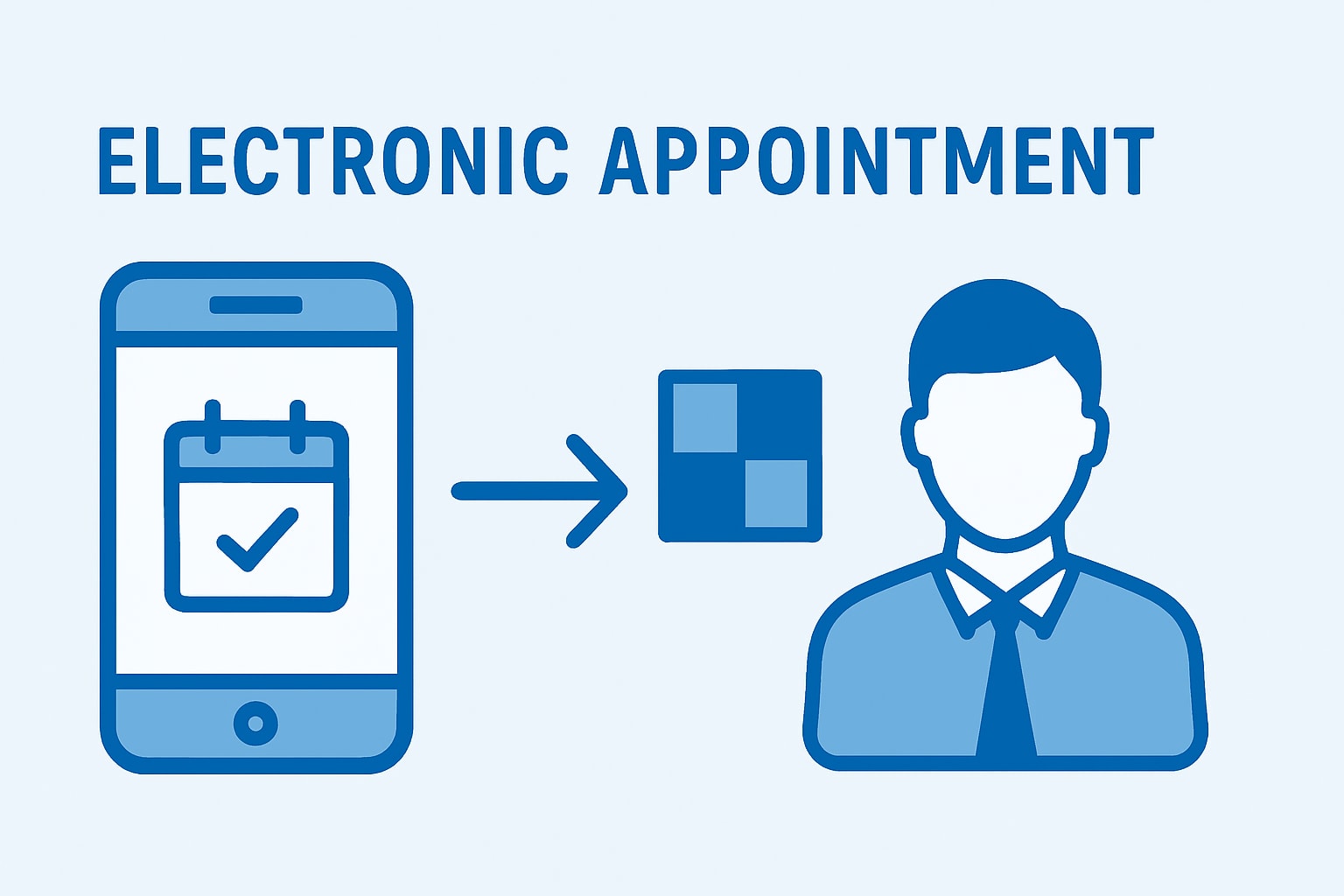
Appointment scheduling has never been more complex for salons and spas. Outdated manual systems often lead to double bookings, wasted time, and unhappy clients. In 2026, the shift to electronic appointment solutions is transforming how service businesses operate.
These digital tools minimize no-shows, boost efficiency, and elevate the customer experience. This comprehensive guide will help salon professionals navigate the process of streamlining scheduling with an electronic appointment system. You will discover the evolution of digital scheduling, explore key features for 2026, follow step-by-step implementation advice, and learn best practices to maximize your results.
The Evolution of Electronic Appointment Scheduling
As the salon industry navigates rapid digital transformation, the move from manual to electronic appointment systems has become a defining trend. This shift is reshaping how salons and spas operate, offering new levels of efficiency and customer satisfaction.
The Shift from Manual to Digital Systems
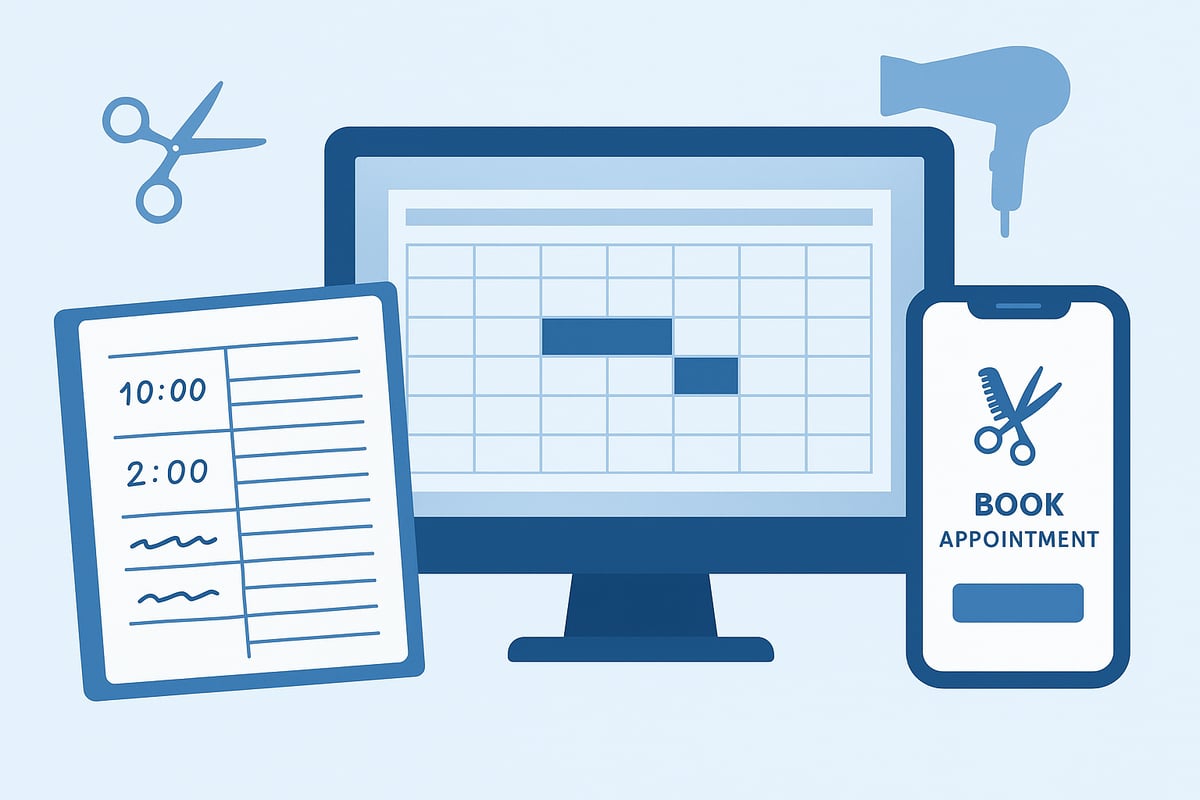
For decades, salons relied on paper ledgers and phone calls to manage bookings. This manual process often led to double bookings, missed appointments, and limited flexibility for both staff and clients. The demand for convenience, mobile access, and real-time updates began driving the adoption of digital solutions.
By 2024, 74 percent of salons had implemented some form of electronic appointment system, according to the Phorest Salon Software Market Report. Customers now expect 24 7 self-service options, instant confirmations, and the ability to reschedule on their terms. This transformation is not just about technology, it is about meeting evolving client expectations.
Despite the clear benefits, some salons hesitated due to concerns over cost, training, and data security. However, the industry is seeing compelling results. In one case, a small salon reported a 30 percent drop in no shows after introducing an electronic appointment system. Recent research highlights even broader industry gains, with digital scheduling linked to higher revenue and improved customer retention, as detailed in the Digital Transformation in the Salon Industry Statistics.
Milestones in Electronic Appointment Technology
The journey of electronic appointment technology has been marked by several key advancements. The introduction of cloud based systems allowed for anytime, anywhere access and simplified updates. Mobile apps soon followed, putting booking capabilities directly in clients’ hands.
Integration with payment gateways and marketing tools further expanded the value of electronic appointment platforms. Features like automated reminders and two way calendar syncing streamlined communication and reduced administrative workload. The rise of AI brought personalized scheduling suggestions and smarter resource allocation based on client habits.
The COVID 19 pandemic accelerated the need for contactless booking and remote management. Salons quickly adopted electronic appointment solutions to remain operational and compliant with new health protocols. Looking ahead, predictive analytics and automated resource management are set to define the next era, helping salons anticipate demand and allocate staff more effectively.
Electronic appointment systems have moved from basic digital calendars to intelligent, business critical platforms. Salons that embrace these innovations are better positioned to thrive in a competitive, client centric market.
Key Features of Electronic Appointment Systems in 2026
Modern electronic appointment platforms have become an essential part of salon operations by 2026. These systems are designed to handle the demands of busy salons and spas, delivering convenience, accuracy, and a seamless experience for both staff and clients.
Core Functionalities for Salons and Spas
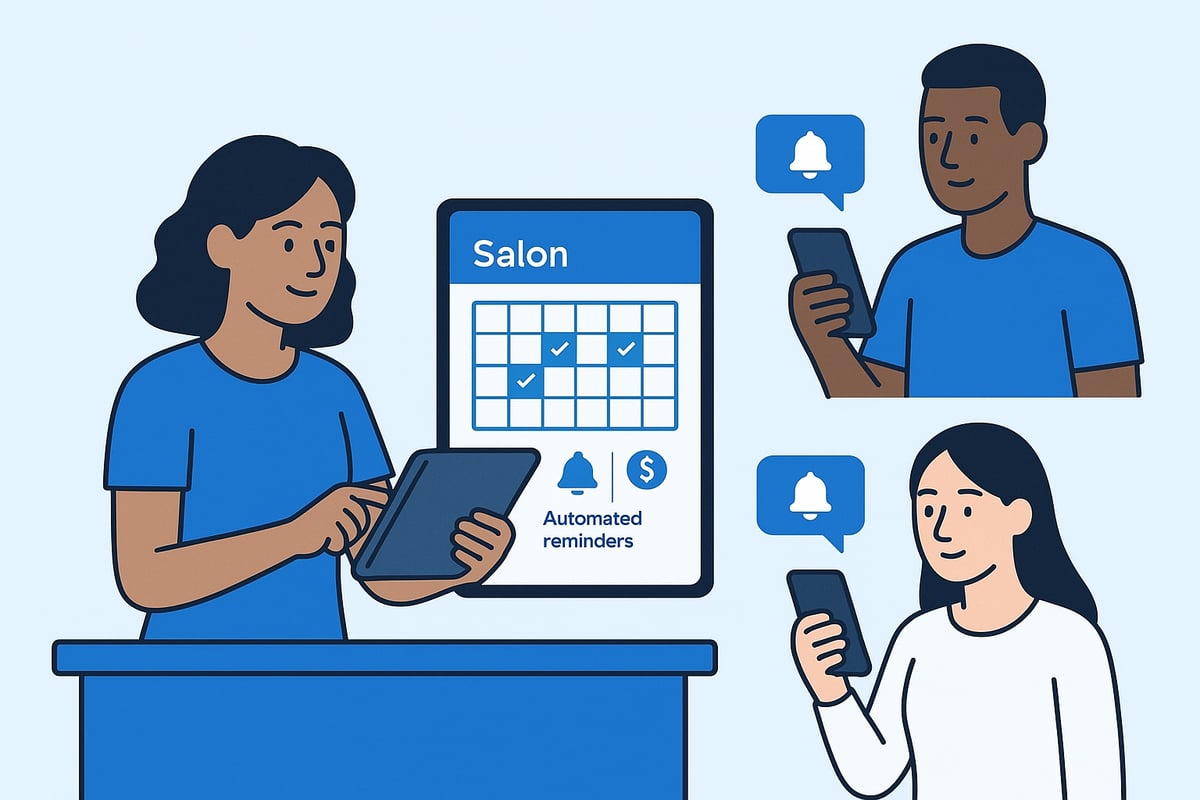
The foundation of any successful electronic appointment system lies in its ability to offer real-time availability. Clients expect to book services instantly, with clear confirmation and no risk of double-booking. Automated reminders via SMS, email, and messaging apps help reduce missed appointments, a feature that has led to a 40% reduction in admin workload for many salons, according to Zenoti Industry Insights 2025.
Integrated payment processing is now standard, allowing clients to pay securely through platforms like Stripe, PayPal, or Apple Pay. Multi-location and multi-staff management features give salon owners the flexibility to coordinate teams and resources across several branches. Customizable booking rules enable settings for service durations, buffer times, and staff expertise, ensuring the right professional is matched with each appointment.
Client self-service portals are another essential aspect of electronic appointment platforms. These portals let clients reschedule or cancel bookings without contacting the front desk, freeing up staff for higher-value tasks. For a comprehensive overview of these and other functionalities, review the Salon Booking Plugin features list.
Electronic appointment systems have become indispensable for salons aiming to streamline scheduling and meet rising client expectations.
Advanced Capabilities Shaping the Future
The next generation of electronic appointment technology is defined by AI-driven scheduling. These systems analyze historical booking data and client preferences to suggest optimal appointment times, improving both occupancy and customer satisfaction. Personalized marketing automation and loyalty programs are integrated, rewarding repeat clients and increasing retention rates.
Resource management tools automatically allocate rooms, equipment, and staff, eliminating scheduling conflicts and optimizing operations. Modern platforms include multilingual and timezone-aware interfaces to support global or traveling clientele, making them accessible to a broader audience.
Security remains a top priority. Enhanced measures such as GDPR compliance and two-factor authentication protect sensitive client data. Business owners can now access data-driven dashboards for real-time analytics, enabling informed decisions about staffing, promotions, and resource allocation.
Electronic appointment solutions in 2026 empower salon professionals to operate more efficiently, reduce errors, and deliver a superior client experience through advanced technology.
Step-by-Step Guide to Implementing Electronic Appointment Scheduling
Transitioning to an electronic appointment system can feel daunting, but breaking it down into clear steps simplifies the process. Below is a practical, actionable pathway for salon professionals to follow, ensuring smooth adoption and long-term success.
Step 1: Assess Your Salon’s Needs and Goals
Begin by evaluating your current scheduling workflow. Identify issues such as frequent no-shows, double bookings, or time-consuming manual processes. Set clear objectives for your new electronic appointment system, like reducing administrative workload or improving client retention.
Engage your team and gather feedback from clients about their preferences. Do they want online booking, automated reminders, or flexible rescheduling options? This initial step sets the foundation for a solution tailored to your business.
- List your pain points
- Define measurable goals
- Survey staff and clients for desired features
Step 2: Research and Compare Leading Solutions
Next, explore electronic appointment platforms designed for salons and spas. Compare features, user reviews, integration capabilities, and pricing. Look for systems that offer robust client management, payment processing, and marketing tools.
Consult industry resources such as Service company scheduling software insights to deepen your understanding of what top solutions provide. Reading case studies and third-party evaluations can highlight real-world outcomes and help narrow your choices.
- Create a comparison table of key platforms
- Prioritize industry-specific features
- Assess long-term scalability
Step 3: Plan the Transition Process
With your electronic appointment software chosen, plan a smooth transition. Prepare by gathering all necessary data, including client contact lists and booking history, for migration into the new system. Schedule the switch during a quieter period to minimize disruptions to operations.
Communicate clearly with your staff about upcoming changes. Offer training sessions and resources so everyone feels comfortable with the new workflows. Inform clients about the upgrade and how it will enhance their experience.
- Prepare a migration checklist
- Schedule staff training
- Notify clients in advance
Step 4: Configure and Customize Your System
Set up your electronic appointment platform by entering services, staff profiles, and operating hours. Integrate payment gateways and marketing tools for seamless transactions and promotions. Activate automated reminders to keep clients informed and reduce missed appointments.
Customize booking rules to fit your salon’s needs, such as adding buffer times between appointments or assigning services to experienced staff. Enable self-service options so clients can manage their bookings independently.
- Input all service details and staff info
- Sync with payment and marketing platforms
- Adjust settings for optimal efficiency
Step 5: Launch and Optimize
Monitor bookings closely after launch and collect feedback from both clients and staff. Use analytics to track key performance indicators such as booking rates, no-show percentages, and client satisfaction.
Continuously adjust your electronic appointment system based on real-world usage. Refine reminder timing, update service offerings, and tweak booking rules as needed. Staying proactive ensures your salon remains efficient and client-focused.
- Review analytics dashboards regularly
- Adjust system settings based on feedback
- Stay updated on new features and enhancements
Choosing the Right Electronic Appointment Solution for Your Salon
Selecting the best electronic appointment system is a pivotal decision for any salon aiming to boost efficiency and client satisfaction. With a crowded marketplace and rapidly evolving technology, it is essential to focus on solutions that align with your business goals and the expectations of today’s clientele.
Essential Criteria for Selection
When evaluating an electronic appointment solution, prioritize platforms that deliver ease of use for both staff and clients. User-friendly interfaces minimize training time and reduce errors, an important factor as staff turnover rates remain high in the beauty industry.
Compatibility with your existing website and business systems is also crucial. Look for solutions that integrate seamlessly with payment gateways, marketing platforms, and client communication tools. Flexible pricing models, service configurations, and staff management features ensure the system grows with your business.
Security is non-negotiable. Ensure the electronic appointment platform complies with industry standards, such as GDPR, and offers robust authentication options. High-quality customer support and comprehensive training resources can make the transition smoother and provide ongoing value.
According to the 2025 Beauty and Wellness Benchmark Report, over 80% of clients now expect 24/7 online booking and instant confirmations, underscoring the importance of digital convenience. Choose a solution that meets these modern demands and adapts to changing industry trends.
Salon Booking System: A Leading Solution for Salons and Spas
Salon Booking System is a WordPress-based electronic appointment platform trusted by more than 700,000 businesses worldwide. It offers 24/7 online booking, automated reminders, multi-location support, and advanced loyalty tools—all accessible through an intuitive interface.
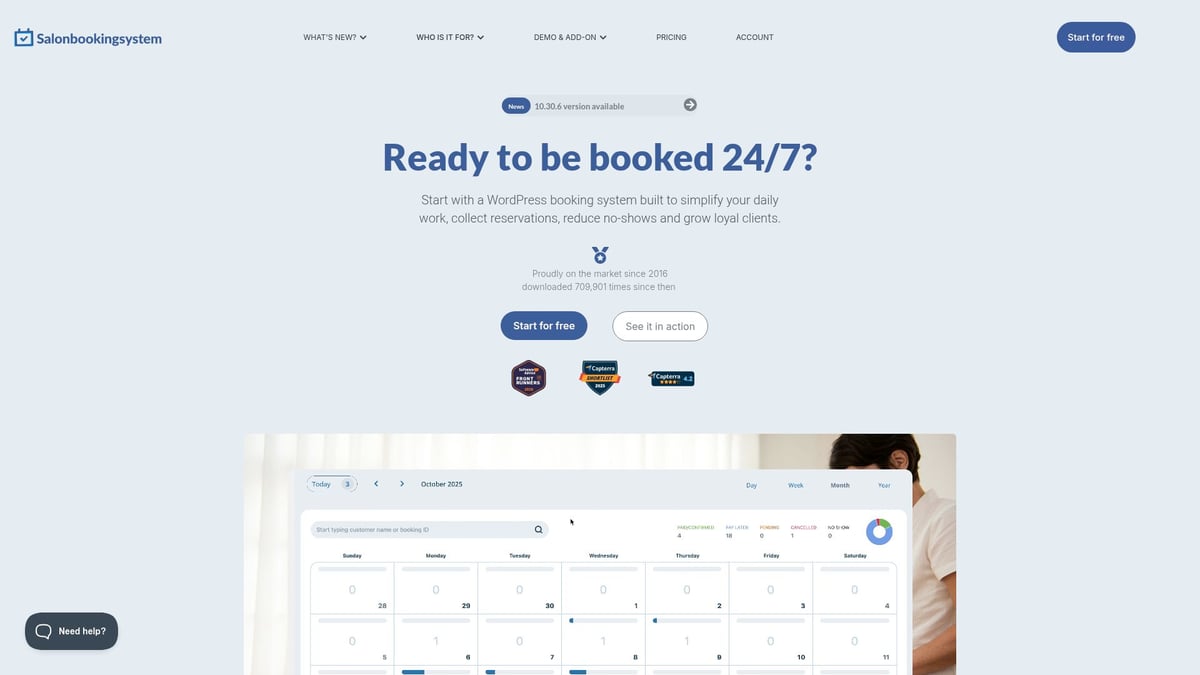
Integration is a standout feature, with support for over 20 payment gateways, WooCommerce, and popular marketing platforms. The system’s customizable booking rules and staff management capabilities allow salons to tailor workflows for maximum efficiency.
A recent case study highlights a beauty center that increased client retention by 25% after implementing Salon Booking System. Admin workload was reduced, bookings increased, and customer satisfaction scores improved significantly.
With a flexible pricing structure and a free trial, Salon Booking System is well-suited for small to medium-sized salons seeking a robust electronic appointment solution. Investing in the right platform can transform daily operations and position your salon for sustained growth.
Best Practices and Optimization Tips for 2026
Staying competitive in the salon industry in 2026 requires more than just adopting an electronic appointment system. To fully leverage these platforms, salon professionals should focus on refining workflows, personalizing client interactions, and continually optimizing their approach.
1. Promote Online Booking and Ensure Mobile-Friendliness
Encourage clients to use your electronic appointment platform by making online booking accessible everywhere. Feature booking links prominently on your website, social media, and in email campaigns. As mobile device usage rises, ensure your booking interface is responsive and user-friendly on all devices. This convenience not only attracts more appointments but also meets modern customer expectations for seamless, on-the-go scheduling.
2. Automate Reminders and Follow-Ups to Reduce No-Shows
No-shows remain a common challenge, but automated reminders can cut these rates dramatically. Set up personalized SMS, email, or app notifications to confirm bookings and prompt clients ahead of their appointments. Many systems go further by enabling automated follow-ups, which can boost rebooking rates and collect valuable feedback. To learn more about how these features work in practice, see the Automatic follow-up feature overview.
3. Harness Analytics to Optimize Staff Scheduling and Service Offerings
Leverage the reporting tools within your electronic appointment solution to identify trends like peak booking hours, popular services, and client retention rates. Use this data to adjust staff schedules, streamline service menus, and allocate resources more efficiently. Regularly reviewing key performance indicators helps you spot bottlenecks and adapt quickly to changing demand.
4. Personalize Communications and Stay Ahead of Industry Trends
Build stronger client relationships by tailoring offers, loyalty rewards, and service recommendations based on individual booking history. Automated marketing tools within your electronic appointment system can segment clients for targeted outreach, driving engagement and repeat visits. Stay informed about digital innovations and evolving client expectations by following industry reports and trend analyses such as Inside the Data: Top 5 Beauty and Wellness Industry Trends for 2025. This proactive approach ensures your salon remains relevant and competitive.
After exploring how electronic appointment systems are transforming scheduling for salons in 2026, you can see how much smoother your workflow and client experience could be with the right tools. If you’re ready to reduce no shows, free up valuable admin time, and let your clients book appointments anytime they want, it’s worth trying a platform designed with your needs in mind. You don’t have to make a big commitment up front—you can Start for free and see how easy it is to simplify your salon’s scheduling.