Modern salon businesses face an increasingly complex challenge: managing dozens of daily appointments across multiple stylists while maintaining exceptional customer service and minimizing administrative burden. Calendar and scheduling software has emerged as an essential solution for salons, spas, and beauty businesses seeking to streamline operations and enhance client satisfaction. These specialized platforms go far beyond basic appointment tracking, offering integrated payment processing, automated reminders, and sophisticated scheduling rules that adapt to your business's unique requirements.
Understanding Modern Calendar and Scheduling Software
Calendar and scheduling software represents a significant evolution from traditional paper appointment books and basic digital calendars. Today's platforms integrate multiple business functions into cohesive systems designed specifically for service-based industries like salons and spas.
Core Components of Scheduling Platforms
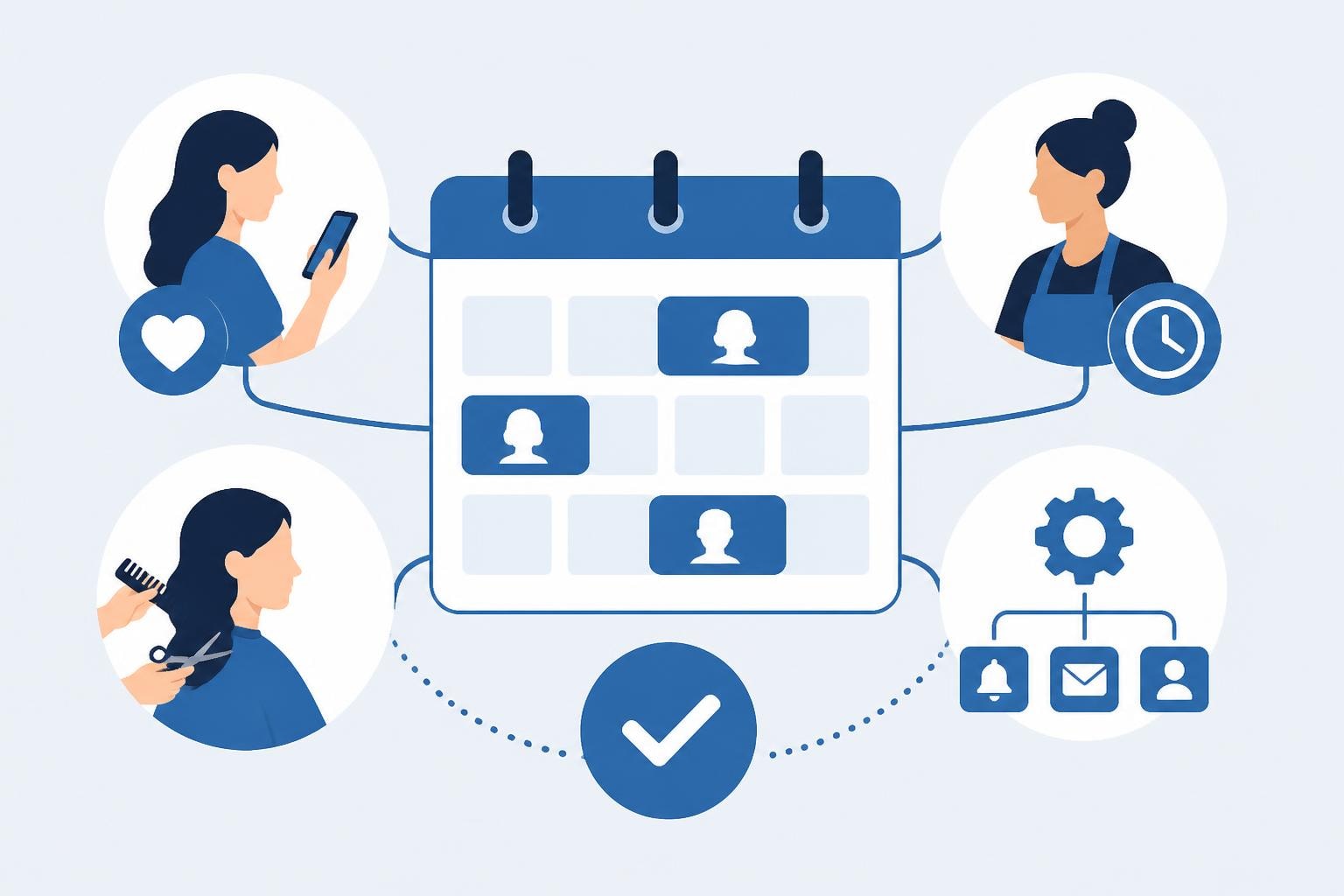
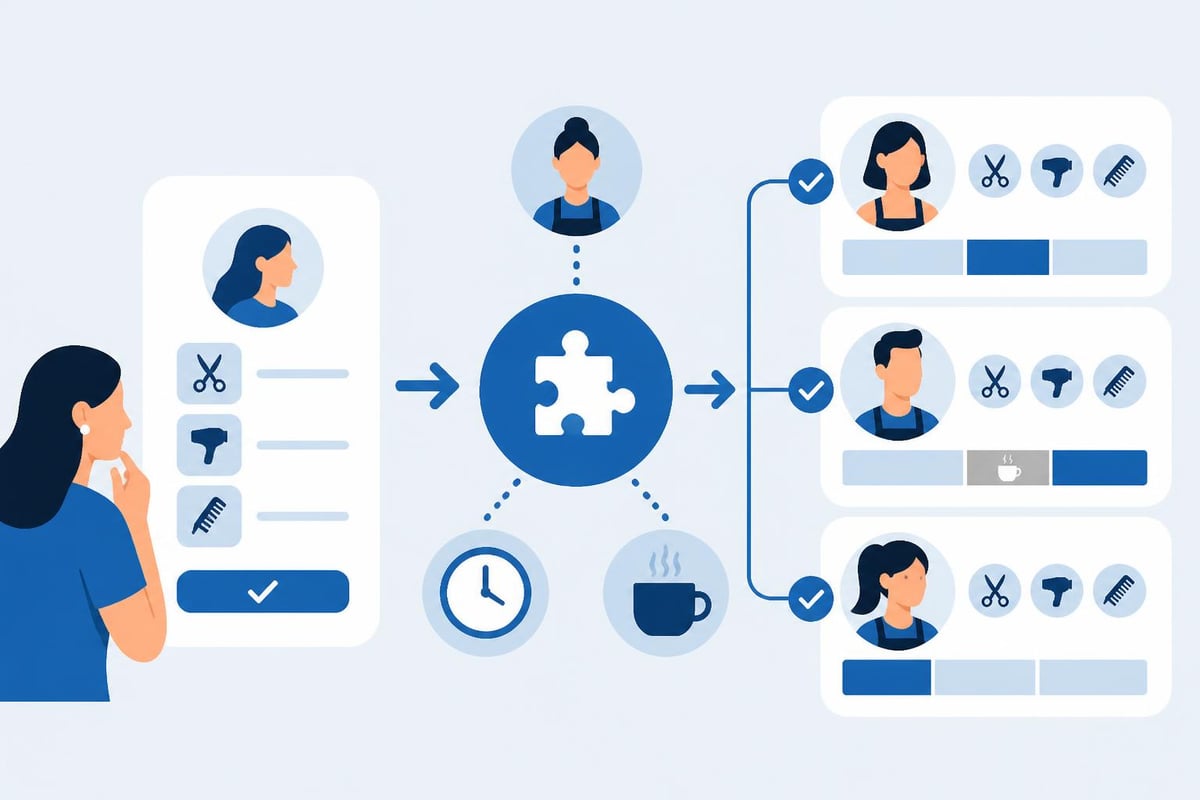
The foundation of effective calendar and scheduling software rests on several key components working in harmony. Real-time availability tracking ensures clients can only book available time slots, preventing double-bookings and scheduling conflicts. Multi-staff coordination becomes essential when managing teams of hairstylists, colorists, nail technicians, and estheticians working simultaneously.
According to market research from 360iResearch, the calendar and scheduling software market is experiencing substantial growth, driven by increasing demand for automated business solutions and enhanced customer experiences. This trend reflects how service industries recognize the competitive advantage these tools provide.
Advanced scheduling platforms incorporate:
- Customizable booking rules based on service duration and staff expertise
- Client history tracking and preference management
- Automated waitlist management for high-demand time slots
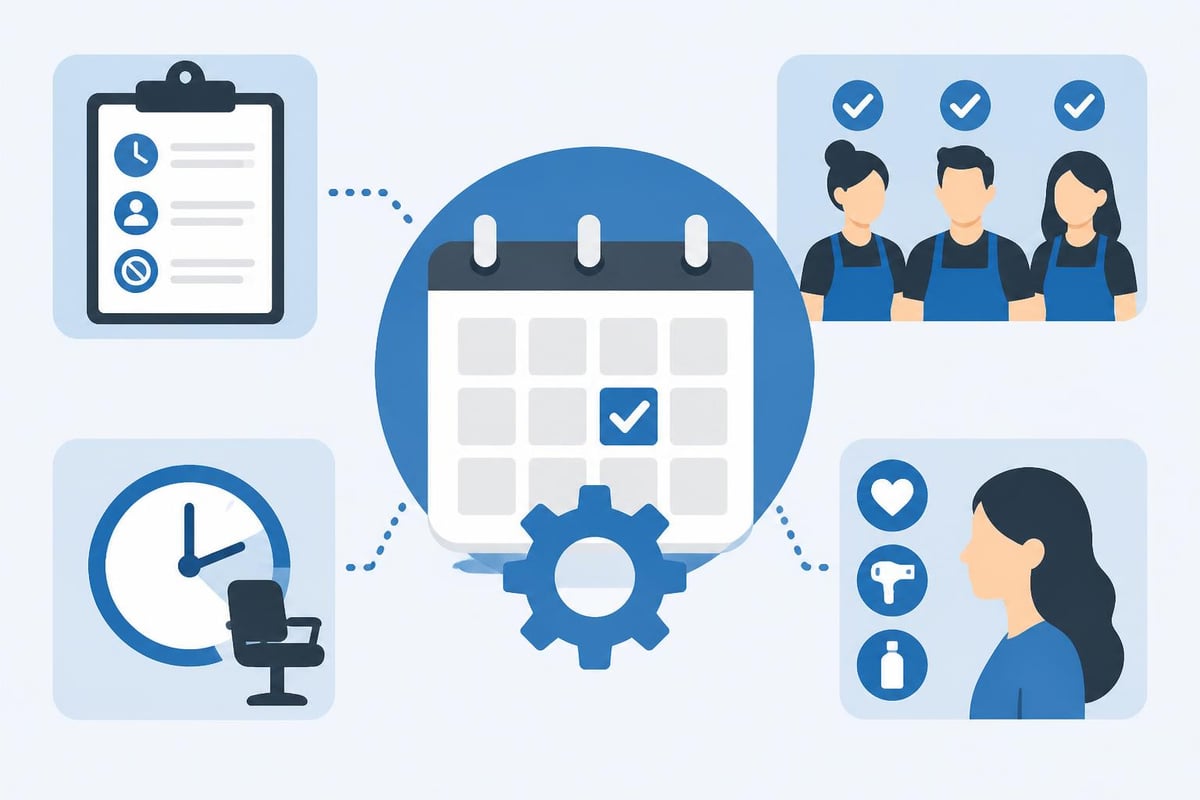
- Resource allocation for equipment and treatment rooms
- Integration with point-of-sale and inventory systems
The Shift from Generic to Industry-Specific Solutions
While generic calendar applications like Google Calendar offer collaborative features suitable for basic scheduling needs, salon businesses require specialized functionality that addresses their unique operational challenges. Generic tools lack critical features like service-specific booking durations, commission tracking, product inventory integration, and beauty industry-specific client management capabilities.
Industry-specific calendar and scheduling software addresses these gaps by incorporating workflows designed specifically for appointment-based businesses. This specialization translates directly into time savings and revenue protection.
Key Features Driving Salon Efficiency
The most effective calendar and scheduling software delivers measurable improvements across multiple operational areas. Understanding which features provide the greatest impact helps salon owners make informed technology investments.
Automated Client Communication
Appointment confirmations and reminders represent one of the highest-value features available in modern scheduling platforms. Industry data indicates that no-show rates can consume 15-30% of salon revenue when left unmanaged. Automated SMS and email reminders sent 24-48 hours before appointments typically reduce no-shows by 60-75%.
Effective reminder systems include:
- Initial confirmation immediately after booking
- Pre-appointment reminder 24-48 hours in advance
- Last-minute confirmation 2-4 hours before the appointment
- Post-appointment follow-up for feedback and rebooking
These automated touchpoints maintain consistent client engagement without requiring staff time. The cumulative effect strengthens client relationships while protecting revenue from forgotten appointments.
Online Booking Capabilities
Twenty-four-hour booking access fundamentally changes how clients interact with your salon. Research consistently shows that 40-60% of online bookings occur outside traditional business hours, representing appointments you would likely miss without calendar and scheduling software offering online access.
| Booking Method | Average Conversion Rate | Staff Time Required | Client Convenience |
|---|---|---|---|
| Phone Calls | 65-75% | 3-5 minutes | Low (business hours only) |
| Online Booking | 85-95% | 0 minutes | High (24/7 access) |
| Walk-ins | 45-60% | 2-3 minutes | Medium (location dependent) |
The data demonstrates clear advantages: online booking through robust calendar and scheduling software delivers higher conversion rates while eliminating staff time spent on booking coordination.
Staff and Resource Management
Sophisticated scheduling platforms enable precise control over staff calendars, break times, and service assignments. Multi-location support becomes critical for salon businesses operating across multiple sites, allowing centralized management while maintaining location-specific customization.
Advanced resource management includes blocking specific time periods for education, deep-cleaning protocols, or inventory management. Calendar and scheduling software designed for salons accommodates these operational realities without requiring manual workarounds.
Strategic Implementation for Maximum ROI
Selecting and implementing calendar and scheduling software requires careful planning to ensure adoption and realize expected benefits. A structured approach minimizes disruption while accelerating time-to-value.
Evaluation Criteria for Salon Businesses
When assessing potential scheduling platforms, prioritize features that directly address your specific operational challenges. Create a weighted scoring system based on your salon's priorities:
Must-have features (critical):
- Mobile-responsive online booking interface
- Automated appointment reminders
- Staff calendar management
- Payment processing integration
- Client database with service history
High-value features (important):
- Waitlist automation
- Group appointment booking
- Package and membership management
- Marketing automation integration
- Reporting and analytics
Nice-to-have features (beneficial):
- Advanced customization options
- API access for custom integrations
- Multi-language support
- Advanced inventory tracking
Reviews of the best scheduling apps highlight how different platforms excel in various categories. Matching these strengths to your specific requirements ensures better long-term satisfaction.
Migration and Training Strategies
Transitioning from existing booking methods to new calendar and scheduling software demands thoughtful change management. Successful implementations follow a phased approach:
Phase 1: Data preparation (1-2 weeks)
- Export existing client contact information
- Document current scheduling rules and preferences
- Identify peak booking periods for training avoidance
Phase 2: System configuration (1 week)
- Input staff schedules and service menus
- Configure automated notifications
- Customize booking rules and restrictions
- Set up payment processing
Phase 3: Parallel operation (2 weeks)
- Run new system alongside existing processes
- Train staff in controlled environment
- Test all critical workflows
- Gather feedback and refine settings
Phase 4: Full deployment (ongoing)
- Transition all bookings to new platform
- Monitor key performance indicators
- Provide ongoing staff support
- Optimize based on usage patterns
This methodical approach prevents the chaos that often accompanies rushed technology implementations.
Measuring Performance and Optimization
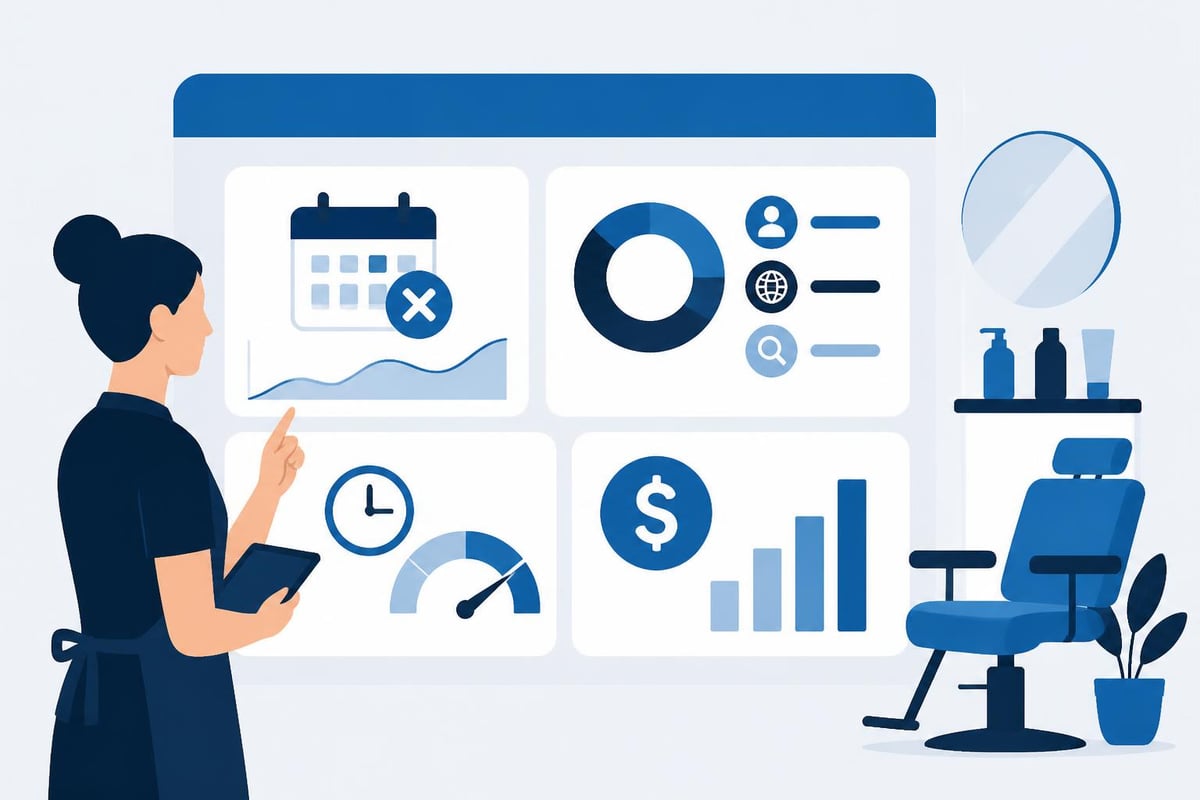
Calendar and scheduling software generates valuable operational data that reveals optimization opportunities. Establishing measurement frameworks ensures you capture these insights systematically.
Critical Performance Metrics
Track these key performance indicators to assess how effectively your scheduling platform supports business objectives:
| Metric | Industry Benchmark | Improvement Strategy |
|---|---|---|
| No-show rate | 8-12% | Enhanced reminder sequences, deposit requirements |
| Online booking percentage | 35-50% | Prominent website placement, booking incentives |
| Average booking value | Varies by market | Service bundling, upsell prompts |
| Schedule utilization | 70-85% | Dynamic pricing, waitlist automation |
| Rebooking rate | 40-60% | Post-appointment automation, loyalty programs |
Regular review of these metrics identifies patterns and opportunities. For example, if no-show rates spike on specific days or times, you can implement targeted interventions like confirmation calls or adjusted reminder timing.
Advanced Analytics Applications
Modern calendar and scheduling software platforms increasingly incorporate predictive analytics that help salon owners make proactive decisions. Understanding seasonal booking patterns, client retention trends, and staff productivity metrics enables strategic planning that aligns resources with demand.
Seasonal planning uses historical booking data to forecast busy periods and adjust staffing accordingly. This prevents understaffing during peak seasons and reduces labor costs during slower periods.
Client segmentation identifies your most valuable clients based on booking frequency, service preferences, and average transaction value. This intelligence supports targeted marketing and personalized service offerings.
Best practices for calendar management, as outlined by Stanford University’s IT department, emphasize consistency and clarity in how appointments are structured and communicated. These principles apply equally to salon scheduling, where clear service descriptions and accurate time blocking prevent confusion and scheduling errors.
Integration Ecosystems and Extended Functionality
The true power of calendar and scheduling software emerges when it connects seamlessly with other business systems. Modern platforms function as central hubs within broader technology ecosystems.
Essential Integration Categories
Marketing automation platforms extend the value of client data captured through your scheduling system. When a client books their first appointment, automated welcome sequences can trigger, introducing them to your salon's services, policies, and brand values. Post-appointment surveys gather feedback while encouraging social media reviews and referrals.
Payment processing integration eliminates double-entry and reduces payment-related friction. Clients can securely store payment information for faster checkouts, while staff members spend less time handling transactions manually. This integration also enables deposits for high-value services, protecting against last-minute cancellations.
Accounting software connections automate financial record-keeping by transferring appointment and payment data directly into your bookkeeping system. This integration ensures accurate revenue tracking while reducing administrative overhead.
For businesses managing multiple staff members, employee scheduling software features become particularly valuable. These capabilities help coordinate complex shift patterns while ensuring adequate coverage during peak periods.
API Capabilities and Custom Development
Businesses with unique requirements benefit from calendar and scheduling software offering robust API access. Custom integrations can connect specialized tools like inventory management systems, loyalty platforms, or proprietary marketing databases.
Common custom integration scenarios include:
- Connecting point-of-sale systems for unified client profiles
- Syncing with email marketing platforms for segmented campaigns
- Integrating retail inventory for product recommendation engines
- Linking with reputation management tools for review generation
These integrations transform your scheduling platform from a standalone tool into the operational backbone of your salon business.
Privacy, Security, and Compliance Considerations
Calendar and scheduling software handles sensitive client information, making security and privacy fundamental requirements rather than optional features. Understanding regulatory obligations and implementing appropriate safeguards protects both your clients and your business.
Data Protection Standards
Client data protection encompasses several critical components. Encryption during transmission and at rest ensures unauthorized parties cannot access sensitive information. Regular security audits identify and address potential vulnerabilities before they can be exploited.
Compliance with privacy regulations varies by jurisdiction but generally includes:
- Obtaining explicit consent for data collection and marketing communications
- Providing clear privacy policies explaining data usage
- Enabling client access to their stored information
- Implementing data retention and deletion protocols
- Maintaining audit trails of data access and modifications
Payment card industry (PCI) compliance becomes essential when processing credit card payments through your scheduling platform. Reputable calendar and scheduling software providers maintain PCI compliance certification, but salon owners should verify this status during platform evaluation.
Business Continuity and Data Backup
Cloud-based scheduling platforms offer inherent redundancy and disaster recovery capabilities that exceed what most small businesses can achieve independently. However, understanding your provider's backup policies and recovery time objectives ensures appropriate expectations.
Ask potential vendors about:
- Backup frequency and retention periods
- Geographic distribution of data centers
- Recovery time objectives following outages
- Data export capabilities for business continuity planning
These considerations protect your operation against technology failures and ensure you maintain access to critical booking information under all circumstances.
Future Trends Shaping Scheduling Technology
Calendar and scheduling software continues evolving rapidly, incorporating emerging technologies that promise to further transform how salons manage appointments and interact with clients.
Artificial Intelligence and Machine Learning
AI-powered features are beginning to appear in advanced scheduling platforms, offering capabilities that seemed futuristic just a few years ago. Intelligent scheduling assistants can analyze historical booking patterns, client preferences, and staff expertise to suggest optimal appointment times and service provider pairings.
Research published in academic journals explores how machine learning models predict user behavior for calendar applications, enabling more sophisticated automation. These advances will eventually enable scheduling systems that proactively optimize salon operations with minimal human intervention.
Predictive analytics help forecast demand patterns, enabling dynamic pricing strategies that maximize revenue during peak periods while filling gaps during slower times. Some platforms now automatically adjust pricing based on real-time demand, similar to airline and hotel revenue management systems.
Voice-Activated Booking and Conversational Interfaces
Integration with voice assistants like Amazon Alexa and Google Assistant represents an emerging frontier for calendar and scheduling software. Clients increasingly expect to manage appointments through conversational interfaces, whether via voice commands or AI-powered chatbots.
These technologies must balance convenience with security, implementing robust authentication to prevent unauthorized appointment modifications while maintaining seamless user experiences.
Enhanced Personalization Through Data Analytics
Advanced platforms increasingly leverage comprehensive client data to deliver highly personalized experiences. Preference learning algorithms remember individual client choices around preferred service providers, treatment preferences, communication methods, and scheduling patterns.
Studies on learning user preferences and calendar contexts demonstrate how deep neural networks can automate scheduling decisions based on historical patterns. Applied to salon scheduling, these technologies could automatically suggest rebooking intervals based on individual hair growth rates or treatment requirements.
Overcoming Common Implementation Challenges
Despite clear benefits, salons sometimes encounter obstacles when deploying new calendar and scheduling software. Understanding common challenges and proven solutions accelerates successful adoption.
Staff Resistance and Change Management
Technology transitions often meet resistance from team members comfortable with existing processes. Effective change management addresses both practical and emotional concerns:
Involve staff in the selection process to increase buy-in and ensure chosen platforms meet frontline needs. Schedule comprehensive training sessions that accommodate different learning styles, combining live demonstrations, written documentation, and hands-on practice opportunities.
Identify "technology champions" among your staff who embrace new tools enthusiastically. These individuals can provide peer support and help troubleshoot minor issues without requiring management intervention.
Celebrate early wins by highlighting specific improvements the new system delivers-time saved on phone bookings, eliminated double-bookings, or increased client satisfaction scores.
Client Transition and Communication
Existing clients accustomed to booking via phone may need encouragement to adopt online scheduling. Clear communication about benefits from the client perspective increases adoption rates:
- Convenience of 24/7 booking access without phone calls during business hours
- Ability to select preferred service providers and compare available times
- Automatic confirmation and reminders reducing forgotten appointments
- Easier rebooking using saved preferences and payment information
Provide multiple transition pathways. Some clients will embrace online booking immediately, while others may prefer gradual adoption with continued phone booking options during an initial adjustment period.
Technical Integration Complications
Connecting calendar and scheduling software with existing systems occasionally presents technical challenges. Work with vendors that provide comprehensive implementation support and maintain responsive technical assistance.
Pre-implementation technical planning should address:
- Data export from existing systems
- Import formatting and field mapping
- Integration authentication and permissions
- Testing protocols before full deployment
- Rollback procedures if issues arise
Most reputable scheduling software providers offer implementation assistance as part of onboarding. Don't hesitate to use these resources-they've guided hundreds of similar transitions and can help avoid common pitfalls.
Effective calendar and scheduling software transforms salon operations by automating time-consuming administrative tasks while delivering superior client experiences that drive retention and growth. The platforms available in 2026 offer sophisticated features that were previously accessible only to large enterprises, now tailored specifically for beauty industry needs. If you're ready to modernize your appointment management and unlock these benefits, Salon Booking System provides a comprehensive solution trusted by salon professionals since 2016, combining intuitive online booking, automated notifications, flexible scheduling rules, and integrated payments into one user-friendly platform.