In 2026, the salons that master booking control will set the standard for growth and client loyalty. As client expectations shift and technology accelerates, efficient booking control is no longer optional—it is the foundation of every successful beauty business.
This guide equips salon owners and managers with actionable strategies to optimize each step of their booking process. You will discover how industry trends, common pitfalls, and innovative tools converge to shape the future of salon management.
Ready to streamline your operations and stay ahead of the curve? Explore proven solutions to transform your booking control and ensure your salon thrives.
The Evolving Landscape of Booking Control in 2026
The world of booking control is transforming rapidly, setting new benchmarks for salon success by 2026. Digital convenience, rising consumer expectations, and tighter regulations are reshaping how salons operate. Adapting to these changes is essential for thriving in an increasingly competitive market.
Shifting Client Expectations and Digital Transformation
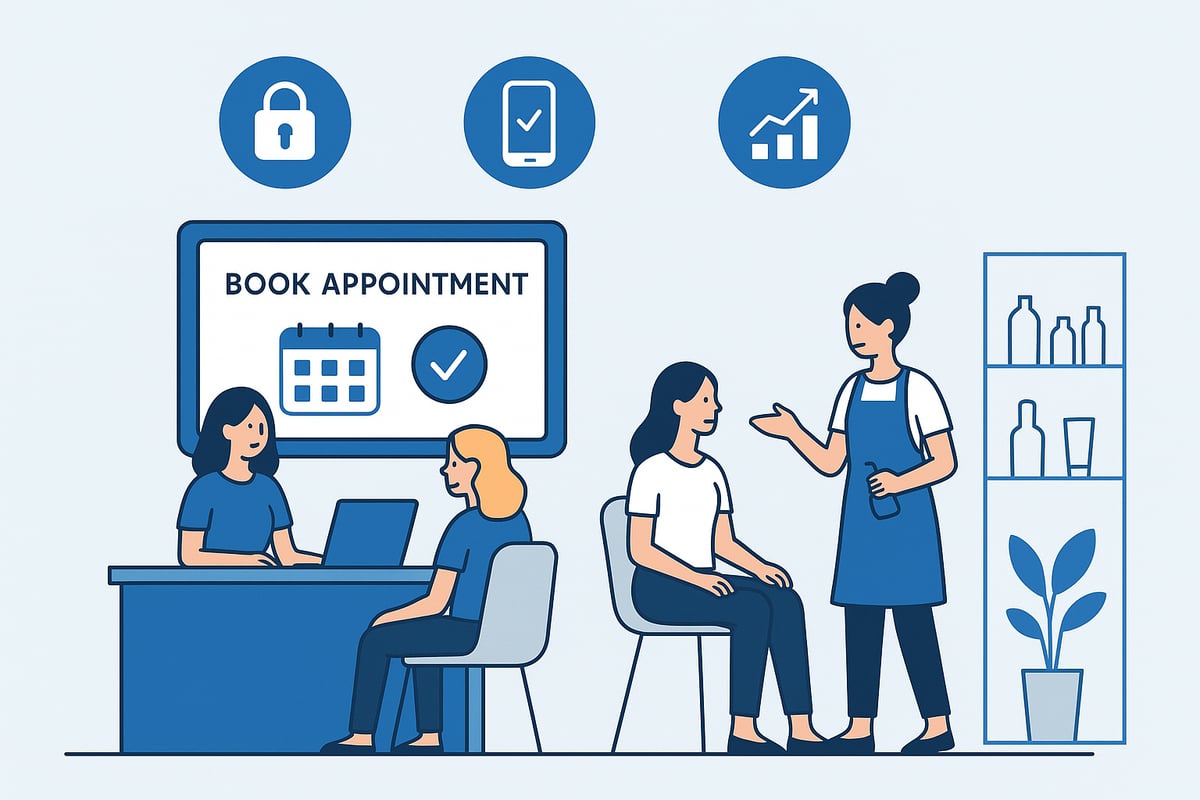
Salon clients in 2026 demand instant access, flexibility, and seamless experiences. The rise of on-demand beauty services and mobile-first booking platforms is now the norm. Over 70% of salon appointments are projected to be booked online by 2026, with mobile usage leading the way. In fact, 65% of salon owners report increased customer retention after implementing online booking systems, according to Digital Transformation in the Salon Industry Statistics.
Gen Z and Millennials, who prioritize digital convenience, are driving this fast-paced adoption. Leading salons stand out by offering instant scheduling and real-time availability, reducing friction at every step of the booking control process.
Examples of top-tier salons include those that have fully embraced mobile booking and automated confirmations, making it effortless for clients to secure appointments at any hour. As digital transformation accelerates, salons that prioritize these features will gain a clear competitive edge.
Regulatory and Data Security Considerations
With more data flowing through digital channels, privacy and security are under intense scrutiny. New privacy laws, such as GDPR in Europe and CCPA in California, require salons to handle client data with care. Booking control systems must be built for compliance, ensuring secure data storage and transparent privacy practices.
A recent case study highlights the risk: one salon faced significant fines and reputational damage after a data breach caused by outdated booking software. This underscores the need for regular audits, encrypted databases, and clear access controls within any booking control solution.
Salons must now treat data security as a core operational priority, not just a technical detail. Doing so protects both client trust and business continuity.
Market Competition and Differentiation
Competition in the salon industry is intensifying, fueled by aggregators and large franchise chains. Independent salons face pressure to stand out, and booking control is emerging as a crucial differentiator.
Boutique salons that deliver seamless, personalized booking experiences are gaining market share, even against larger competitors. One independent salon, for example, grew its client base by prioritizing frictionless booking control, from online scheduling to automated reminders.
In 2026, those who invest in superior booking control processes will position themselves as industry leaders, fostering loyalty and driving sustainable growth.
Key Challenges in Salon Booking Control
Modern salons confront a range of booking control challenges that directly affect operations and profitability. Understanding these core obstacles is the first step toward building a more efficient and resilient business.
Common Booking Process Pitfalls
Salon professionals often encounter significant booking control issues in daily operations. Double-bookings and overbooking can disrupt schedules, leading to staff confusion and client frustration. Staff scheduling conflicts frequently arise when manual calendars are used, resulting in inefficient resource allocation.
Another prevalent pitfall is the high rate of no-shows and late cancellations. Industry data reveals that salons face an average no-show rate of 18 to 25 percent per month (Phorest Salon Software). Manual administrative work, such as updating appointments by hand or confirming bookings via phone, consumes valuable time and increases the risk of errors. These pitfalls can undermine the effectiveness of any booking control system if not properly addressed.
Impact on Revenue and Client Satisfaction
The consequences of poor booking control extend well beyond operational headaches. When appointments are missed or left unfilled, salons lose revenue that can add up to thousands of dollars each month. For example, a single salon losing $2,000 monthly due to inefficient booking highlights the financial stakes.
Client satisfaction also suffers. Negative experiences caused by double-bookings or last-minute cancellations often lead to unfavorable reviews and reduced loyalty. Real-world examples of salons turning these challenges around can be found in Booking System Case Studies, where strategic improvements led to measurable gains in both revenue and client retention.
Adapting to Hybrid and Multi-Channel Bookings
The evolution of booking control now requires salons to manage appointments across multiple channels. Walk-ins, phone reservations, and online bookings must be coordinated seamlessly to avoid conflicts. Social media messaging and third-party booking platforms further complicate the landscape.
Integrating these diverse channels is essential for maintaining a consistent and reliable booking control process. Without proper systems, salons risk missed opportunities and scheduling errors. Embracing technology that unifies all booking avenues helps ensure that both staff and clients enjoy a smoother, more professional experience.
Step-by-Step Guide to Optimizing Your Booking Process
Effective booking control is not a single action but a continuous, multi-step process. By systematically refining each stage, salon owners can dramatically reduce errors, improve client satisfaction, and drive profitability. Let’s break down a proven approach that addresses today’s challenges and sets your salon up for long-term success.
Step 1: Map and Audit Your Current Workflow
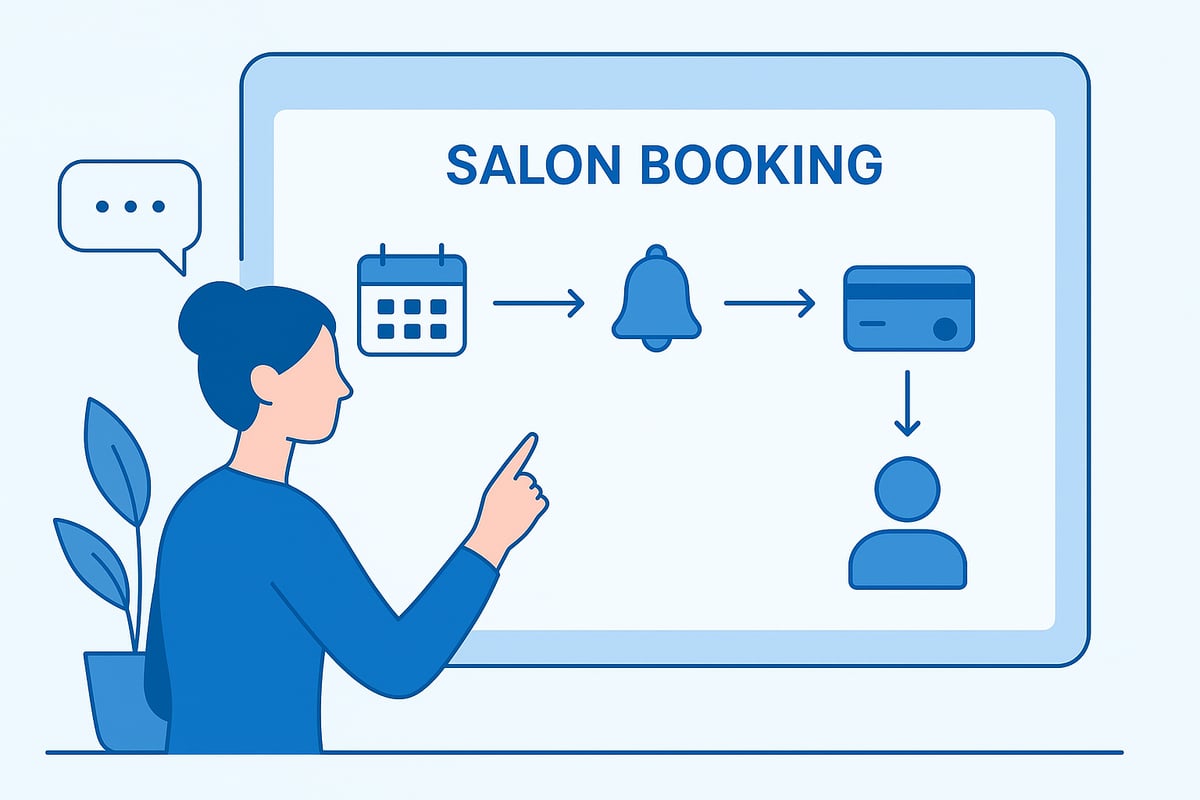
Begin by mapping every touchpoint in your existing booking control process. Document the journey from initial inquiry to appointment confirmation and follow-up. Identify where mistakes or delays happen. For example, manual calendar entries often result in missed appointments or double-bookings, significantly affecting efficiency.
Create a checklist of each stage:
- Client inquiry (website, phone, walk-in)
- Booking entry and confirmation
- Reminders and pre-visit communication
- Post-service follow-up
By conducting a thorough audit, you can pinpoint where your booking control is most vulnerable and prioritize improvements.
Step 2: Implement Automated Scheduling Tools
Modernizing your booking control with automated scheduling tools is essential for reducing administrative workload and preventing human error. Real-time availability and instant confirmations help clients book with confidence while freeing staff to focus on service.
Incorporating solutions with features such as calendar sync, automatic reminders, and online payment integration can streamline operations. For a detailed breakdown of must-have capabilities, see the Salon Booking Plugin Features page, which outlines functionalities that support seamless booking control.
A case study from a mid-sized salon revealed that switching to an automated system reduced admin time by 40 percent, allowing staff to dedicate more energy to client care.
Step 3: Strengthen No-Show Prevention Strategies
No-shows and late cancellations are persistent issues in booking control, often leading to lost revenue and fragmented schedules. Implement automated reminders via SMS, email, or WhatsApp to keep clients engaged and informed.
Industry data shows that automated reminders can reduce no-show rates by up to 60 percent (Salon Today). Enforcing deposits or clear cancellation policies further protects your bottom line. Review your reminder cadence and policy visibility to ensure clients are aware and motivated to commit.
Step 4: Integrate Payment and Loyalty Systems
Secure your booking control process by linking payments directly to appointment bookings. Accepting online, upfront, or partial payments helps minimize no-shows and secures revenue. Integrating loyalty programs encourages repeat business and boosts client retention.
One salon saw a 25 percent increase in repeat bookings after launching a points-based loyalty system. Make sure your booking control solution supports both payment processing and rewards management for maximum impact.
Step 5: Enhance Staff and Resource Scheduling
Efficient booking control hinges on matching clients with the right staff and resources. Dynamic calendar management tools allow you to allocate personnel based on skill sets, service type, or location. This approach prevents scheduling conflicts and ensures optimal coverage during peak times.
Multi-location or multi-service salons benefit especially from centralized scheduling, which helps maintain consistency and avoid double-bookings across teams.
Step 6: Monitor, Analyze, and Continuously Improve
Finally, booking control should be data-driven and adaptive. Track key performance indicators such as booking rate, no-shows, and client retention. Use analytics to identify trends, forecast demand, and adjust your strategies accordingly.
Regular reviews and staff feedback sessions foster a culture of improvement, ensuring your booking control process evolves alongside client needs and market trends.
Essential Booking Control Tools and Technologies
Staying ahead in 2026 requires salon owners to select the right booking control tools. The right technology can streamline operations, minimize errors, and enhance the client experience. With the rapid pace of digital transformation, understanding which solutions deliver measurable impact is crucial for success.
Online Booking Platforms and Integrations
Online booking platforms are now central to effective booking control. By 2024, mobile booking usage had already reached 62% worldwide, a figure expected to rise further (Salon Booking Software Market Size & Growth). These platforms must offer mobile optimization, calendar sync, and multi-channel support for seamless client experiences.
| Platform Feature | Importance for Booking Control |
|---|---|
| Mobile Optimization | High |
| Calendar Sync | Essential |
| Multi-channel | Critical |
Salons that integrate these booking control tools achieve fewer scheduling errors and higher client satisfaction.
Automated Communication and Marketing Tools
Automated communication tools are essential for booking control efficiency. SMS, email, and app-based reminders reduce no-shows and keep clients engaged. AI-powered marketing enables targeted promotions, increasing rebooking rates.
Key features to look for include:
- Automated confirmations and reminders
- Personalized follow-ups
- Integration with client profiles
These booking control solutions free up staff time and foster stronger client relationships, forming the backbone of modern salon engagement strategies.
Payment Processing and Financial Management
Secure, integrated payment processing is vital for booking control. Today’s platforms support online, upfront, and partial payments, reducing last-minute cancellations. PCI-compliant gateways protect financial data and smooth client transactions.
Look for booking control systems that:
- Offer seamless check-out and deposits
- Integrate with accounting tools
- Track financial KPIs in real-time
With these tools, salons minimize revenue loss and maintain accurate records without extra effort.
Data Security and Client Privacy Solutions
Protecting client data is a non-negotiable aspect of booking control. Modern systems employ encryption, access controls, and regular audits to safeguard sensitive information. Compliance with GDPR and CCPA is now standard, not optional.
Best practices for booking control data security include:
- Limiting data access to authorized staff
- Regularly updating software
- Conducting privacy audits
These measures build trust and reduce the risk of costly breaches.
Salon Booking System: Streamlining Salon Booking Control
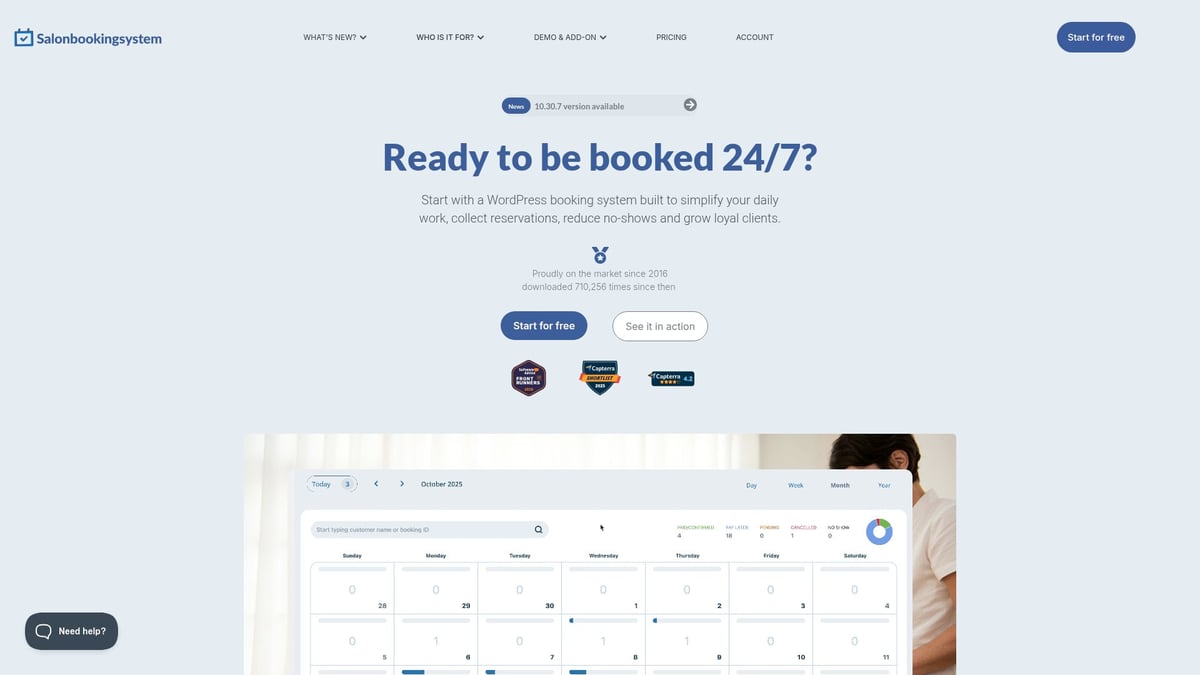
Purpose-built platforms like Salon Booking System empower salons and spas to master booking control. Key features include 24/7 online booking, automated reminders, flexible payments, and loyalty programs. Thousands of salons report reduced no-shows, improved efficiency, and happier clients since adopting these solutions. In 2026, robust, user-friendly booking control systems will be essential for every ambitious salon.
Advanced Best Practices for Booking Control Optimization
Staying ahead with booking control requires more than just technology. Salons must pair smart systems with advanced strategies to deliver exceptional client experiences, increase efficiency, and respond quickly to market changes.
Personalization and Client Experience
Personalization transforms standard bookings into memorable experiences. Leading salons use booking control systems to customize appointment flows for VIPs, recurring services, and special requests.
For example, some salons automatically suggest tailored service packages based on client history, ensuring each visit feels unique. This approach not only increases satisfaction but also drives loyalty and referrals. Effective booking control empowers staff to anticipate client needs, setting your salon apart in a crowded market.
Leveraging Data and Analytics
Modern booking control platforms gather valuable data, enabling salons to predict peak periods, identify client preferences, and optimize schedules. Analyzing historical trends helps managers allocate resources efficiently and craft targeted promotions.
For deeper insights, review 5 Effective Ways to Optimize Salon Scheduling, which details how data-driven scheduling can maximize revenue. By harnessing analytics, salons make informed decisions, reduce downtime, and enhance service quality.
Cross-Channel Consistency and Omnichannel Strategies
Clients expect a seamless booking control experience, whether they schedule appointments online, via mobile app, or in person. Omnichannel strategies ensure your salon delivers consistent interactions and centralizes all client data for easy access.
Unified booking control across multiple channels prevents double-bookings and maintains accurate client records. This approach builds trust and convenience, encouraging clients to return regardless of their preferred booking method.
Staff Training and Change Management
Investing in staff training is crucial for successful booking control optimization. Equip your team with the knowledge to use new tools and follow updated protocols.
Continuous learning fosters adaptability, helping your salon respond to evolving client expectations. Hold regular workshops, encourage feedback, and celebrate improvements. A culture of growth ensures every team member champions streamlined booking control.
Future-Proofing Your Booking Process
The salon industry evolves rapidly, so future-proofing booking control is essential. Stay informed about emerging technologies, such as AI-powered chatbots and voice-enabled bookings, to keep your processes competitive.
Implementing automated features like the Automatic Follow-Up Feature can further reduce no-shows and keep clients engaged. Build flexibility into your booking control strategy, allowing your salon to adapt to new trends and client demands with ease.
Real-World Success Stories
Many salons have transformed operations through advanced booking control practices. For instance, one multi-location salon improved client retention by 22 percent and reduced no-shows by half after adopting a data-driven approach.
Another boutique salon increased positive reviews using personalized appointment reminders and loyalty programs. These success stories show that strategic booking control delivers measurable results, helping salons thrive in a competitive landscape.
As you look ahead to 2026, having the right booking control strategies and tools in place can truly set your salon apart. By streamlining your processes, reducing no shows, and delivering the seamless experience clients now expect, you’re not just staying competitive—you’re building a foundation for long term growth. If you’re ready to see how a smart, user friendly system can take the guesswork out of appointment management and free you up to focus on what matters most, why not Start for free? It’s a practical next step toward a more efficient, client centric salon.