Selecting the right scheduling software can transform how your salon operates, directly impacting client satisfaction, staff productivity, and revenue growth. With dozens of platforms on the market, identifying the best salon scheduling software requires understanding your specific business needs, budget constraints, and growth objectives. This comprehensive guide examines the critical features, pricing models, and strategic considerations that will help you make an informed decision for your salon's unique requirements.
Essential Features That Define the Best Salon Scheduling Software
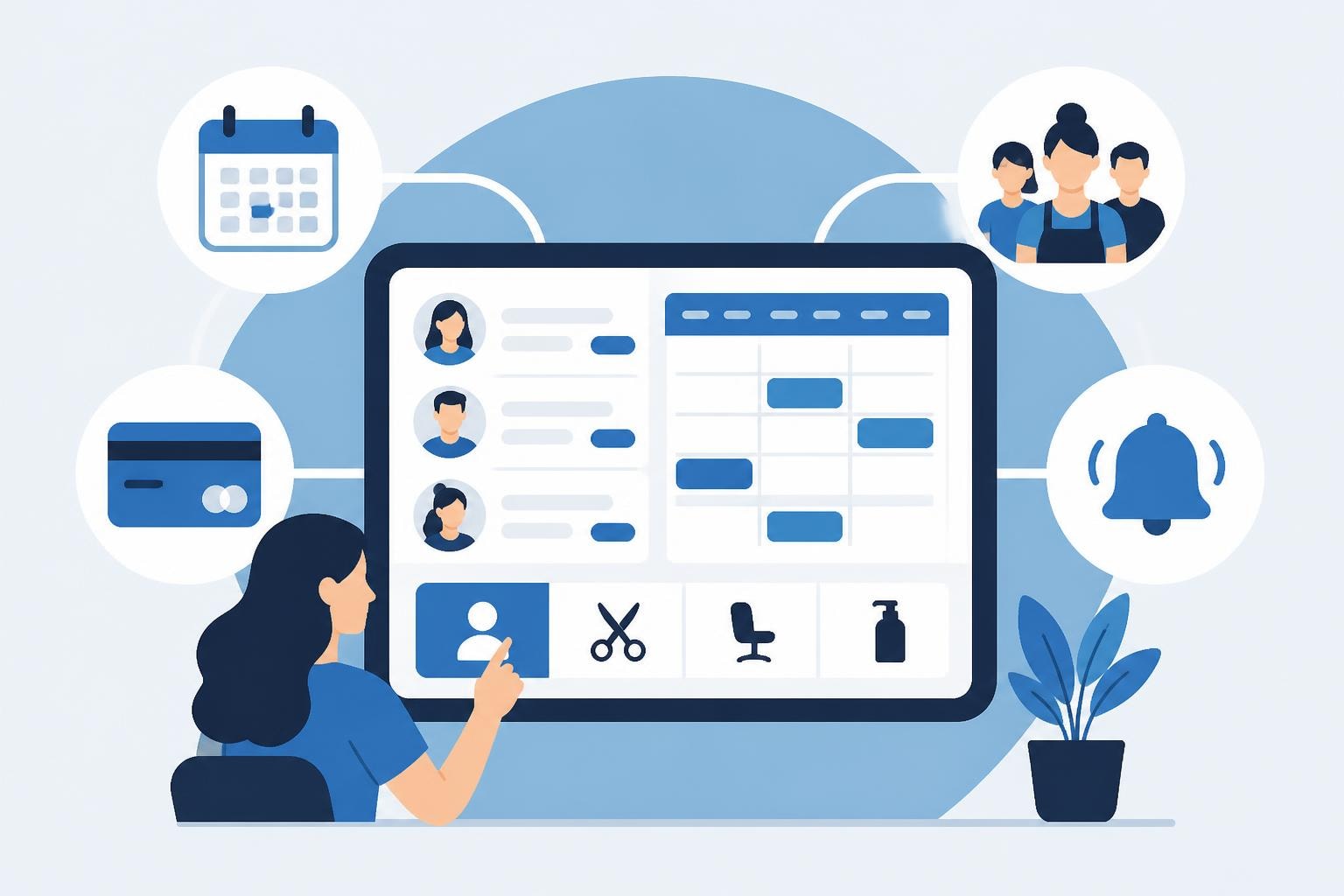
Modern salon management demands more than a simple appointment calendar. The best salon scheduling software integrates multiple functions into a cohesive platform that handles the complexity of daily operations while remaining intuitive for both staff and clients.
Online Booking Capabilities and Client Accessibility
24/7 booking access represents the foundation of contemporary salon management. According to recent industry data, salons offering online booking capture approximately 40% more appointments outside traditional business hours. Clients expect the convenience of scheduling services at midnight or during their lunch break without phone calls.
The most effective platforms provide:
- Mobile-responsive booking interfaces that display correctly on all devices
- Real-time availability updates that prevent double-bookings
- Service menu customization with detailed descriptions and pricing
- Staff selection options allowing clients to choose their preferred stylist
- Integration with your website and social media profiles
Platforms featured in recent comparisons of leading salon booking platforms demonstrate that user interface quality directly correlates with booking completion rates. A confusing checkout process can result in abandonment rates exceeding 60%.
Automated Communication and Client Engagement
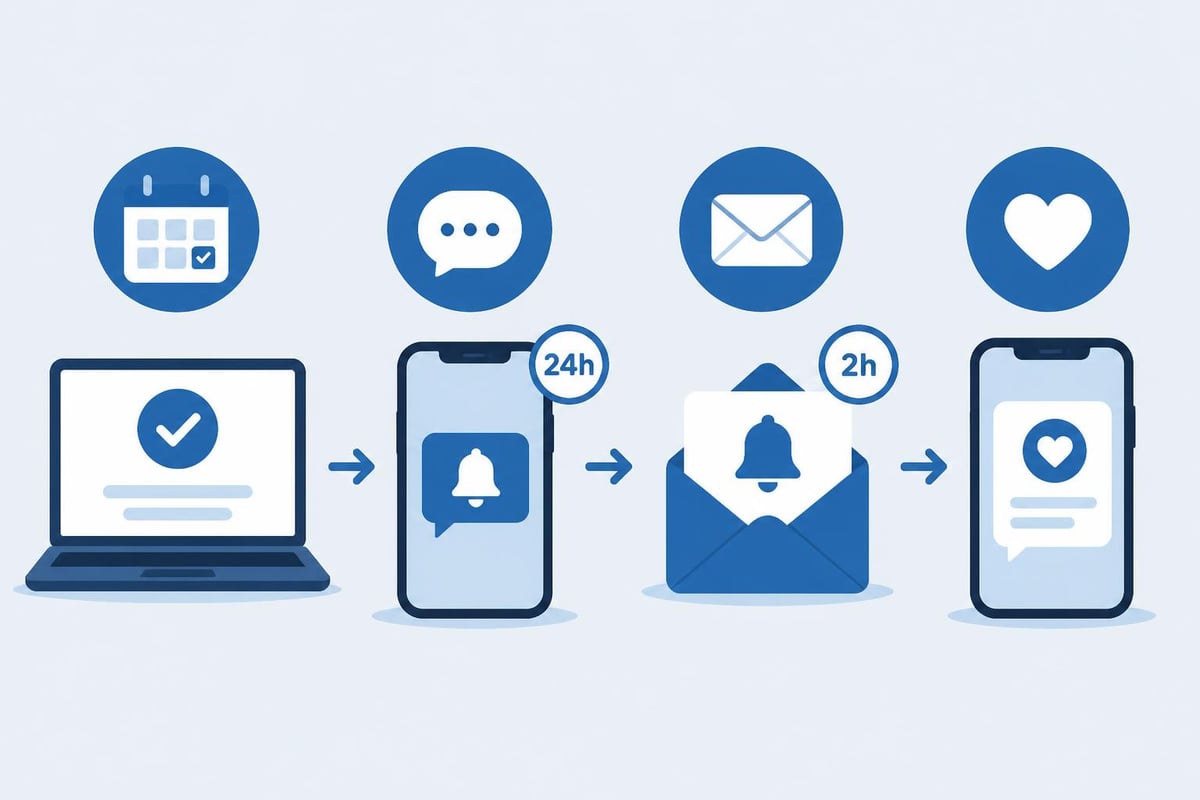
Notification systems reduce no-shows by an average of 32% when properly configured. The best salon scheduling software includes automated SMS and email reminders sent at strategic intervals-typically 24 hours and 2 hours before appointments.
Beyond basic reminders, advanced platforms offer:
- Customizable message templates that reflect your brand voice
- Two-way messaging enabling clients to confirm, reschedule, or cancel
- Birthday greetings and promotional campaigns to drive repeat bookings
- Post-appointment follow-ups requesting feedback and reviews
- Waitlist notifications when cancellations create openings
According to a 2025 survey by the Professional Beauty Association, salons implementing comprehensive notification strategies experienced a 28% improvement in client retention within six months.
Payment Processing and Financial Management
Integrated payment solutions streamline operations by eliminating manual reconciliation and reducing payment friction. The best salon scheduling software supports multiple payment methods including credit cards, digital wallets, and contactless options.
| Payment Feature | Business Impact | Implementation Priority |
|---|---|---|
| Online deposits | Reduces no-shows by 45% | High |
| Contactless payments | Improves checkout speed by 60% | High |
| Tip processing | Increases average tip amount by 15% | Medium |
| Package sales | Boosts prepaid revenue by 35% | Medium |
| Gift card management | Attracts new clients at 22% rate | Low |
When evaluating salon software platforms, examine transaction fees carefully. Processing costs typically range from 2.6% to 3.5% per transaction, which significantly impacts profitability over time.
Advanced Scheduling Capabilities for Complex Operations
Sophisticated scheduling rules separate basic appointment calendars from professional-grade platforms designed for salon environments.
Multi-Location and Multi-Staff Management
Salons with multiple locations or large teams require centralized dashboards that provide visibility across all operations. The best salon scheduling software enables owners to:
- Monitor real-time booking activity across all locations
- Transfer appointments between locations seamlessly
- Manage staff schedules with time-off requests and availability rules
- Track performance metrics by stylist, service, and location
- Implement different pricing structures for various locations
Buffer time automation represents a critical feature often overlooked during initial evaluation. As detailed in this comprehensive guide to salon scheduling features, automated buffers between appointments prevent overbooking while accounting for service preparation, cleanup, and transition time.
Service Customization and Pricing Flexibility
Dynamic pricing capabilities allow you to optimize revenue based on demand, stylist expertise, and time slots. Advanced platforms support:
- Tiered stylist pricing reflecting experience levels and demand
- Peak-hour premiums for high-demand time slots
- Package deals encouraging multiple service bookings
- Membership programs providing recurring revenue
- Seasonal promotions automatically applied at checkout
According to research from the International Salon Business Network, salons implementing dynamic pricing strategies increased average ticket values by 18% within the first quarter of adoption.
Resource and Inventory Tracking
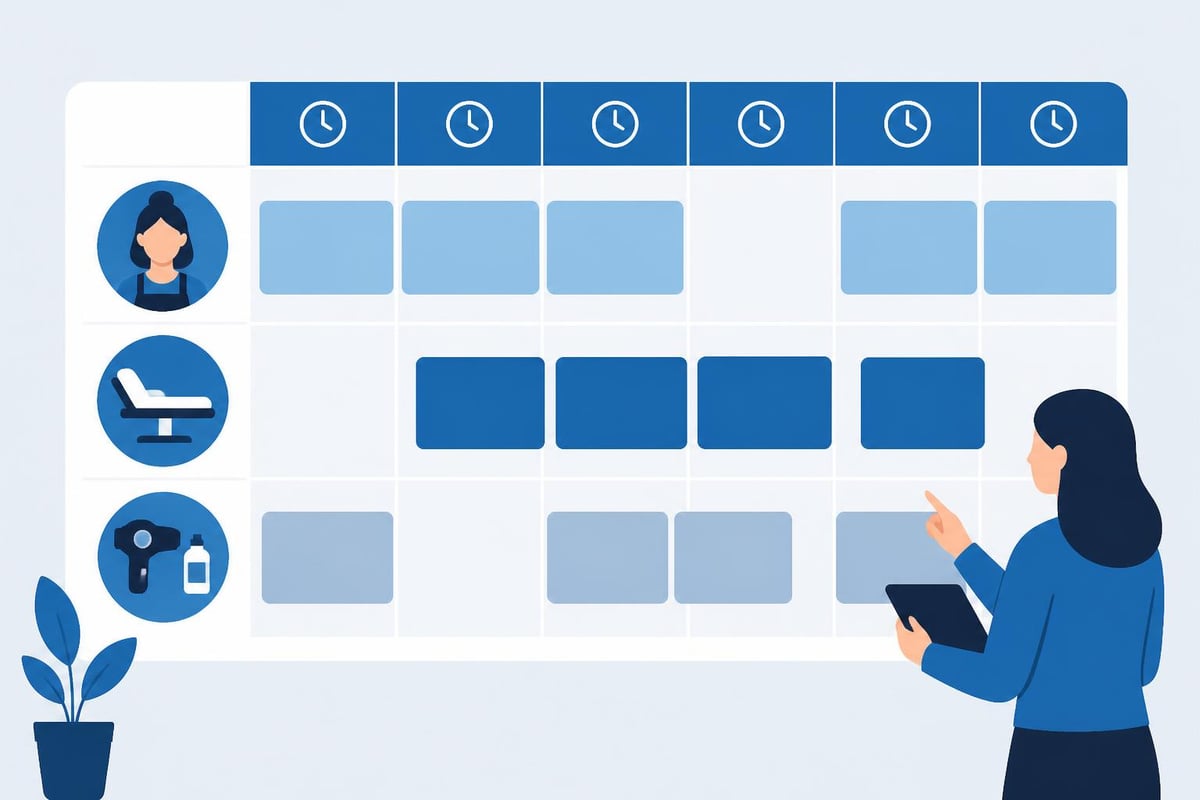
Salons juggling treatment rooms, specialized equipment, and product inventory benefit from platforms that manage both human and physical resources. The best salon scheduling software prevents scheduling conflicts by tracking:
- Treatment room availability and assignment
- Specialized equipment booking (color stations, shampoo bowls)
- Product inventory levels with low-stock alerts
- Supply ordering and vendor management
- Service-specific resource requirements
Reporting Analytics and Business Intelligence
Data-driven decision making separates thriving salons from those struggling to maintain profitability. Comprehensive reporting transforms raw appointment data into actionable insights.
Revenue and Performance Metrics
The best salon scheduling software provides real-time dashboards displaying:
- Daily, weekly, and monthly revenue trends with year-over-year comparisons
- Service popularity rankings identifying high-margin offerings
- Stylist productivity metrics measuring utilization rates and revenue contribution
- Client acquisition costs tracking marketing ROI
- Retention rates highlighting at-risk clients requiring outreach
A 2026 industry benchmark study found that salons regularly reviewing performance analytics achieved 23% higher revenue per square foot compared to those relying on intuition alone.
Client Behavior and Preference Tracking
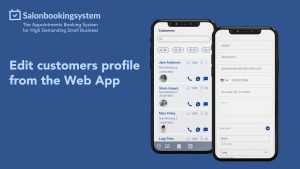
Understanding client patterns enables personalized service and targeted marketing. Advanced platforms maintain detailed client profiles including:
- Complete service history with preferred stylists
- Product purchases and recommendations
- Appointment frequency and booking patterns
- Communication preferences and contact information
- Special occasions and important dates
- Referral sources and lifetime value calculations
This data enables sophisticated segmentation for marketing campaigns. For example, clients who haven't booked in 90 days receive different messaging than those maintaining monthly appointments.
Integration Capabilities and Technical Considerations
Modern salons operate within ecosystems of specialized software. The best salon scheduling software functions as a central hub connecting various business tools.
Essential Platform Integrations
Marketing automation platforms like Mailchimp or Constant Contact amplify your client communication capabilities. When scheduling software integrates with marketing tools, you can automatically segment clients based on booking behavior and send targeted campaigns that drive repeat business.
Other valuable integrations include:
- Accounting software (QuickBooks, Xero) for automated financial reconciliation
- Point-of-sale systems for retail product sales tracking
- Review platforms (Google, Yelp) for reputation management
- Social media for seamless booking from Instagram and Facebook
- Payroll systems for commission and tip calculations
Mobile Accessibility for On-the-Go Management
Native mobile applications empower salon owners and managers to monitor operations from anywhere. Essential mobile features include:
- Real-time appointment monitoring and modifications
- Push notifications for new bookings and cancellations
- Client check-in and checkout processing
- Staff schedule adjustments and communication
- Revenue reporting and performance dashboards
According to TechRadar's evaluation of the best scheduling apps, mobile functionality represents the second most requested feature among small business owners, following only ease of use.
Security, Compliance, and Data Protection
Client information security cannot be compromised. The best salon scheduling software implements enterprise-grade protection measures.
Data Security Standards
Professional platforms maintain:
- PCI DSS compliance for secure payment card processing
- SSL encryption protecting data transmission
- Regular security audits identifying and addressing vulnerabilities
- Automated backups preventing data loss
- Access controls limiting staff permissions appropriately
Additionally, platforms should comply with relevant data protection regulations including GDPR for international clients and state-specific privacy laws.
Business Continuity and Reliability
System uptime directly impacts revenue. Industry-leading platforms guarantee 99.9% uptime, meaning less than nine hours of downtime annually. Before committing, research:
- Historical uptime performance and outage frequency
- Backup systems and redundancy measures
- Customer support availability during technical issues
- Data recovery procedures and timeframes
- Service level agreements and compensation policies
Pricing Models and Total Cost of Ownership
Software costs extend beyond monthly subscription fees. Understanding the complete financial picture prevents budget surprises.
Subscription Structures and Fee Models
The best salon scheduling software offers transparent pricing with options accommodating different business sizes:
| Pricing Model | Best For | Typical Range | Hidden Costs to Watch |
|---|---|---|---|
| Per-location | Single or few locations | $50-$200/month | User limits, transaction fees |
| Per-user | Large teams | $15-$40/user/month | Minimum user requirements |
| Tiered features | Growing businesses | $75-$300/month | Feature restrictions in lower tiers |
| Transaction-based | Low-volume salons | 1-3% per booking | Minimum monthly fees |
Transaction processing fees represent a significant long-term cost. A salon processing $10,000 monthly in credit card payments at 2.9% pays $348 monthly in processing fees alone-$4,176 annually.
Return on Investment Calculations
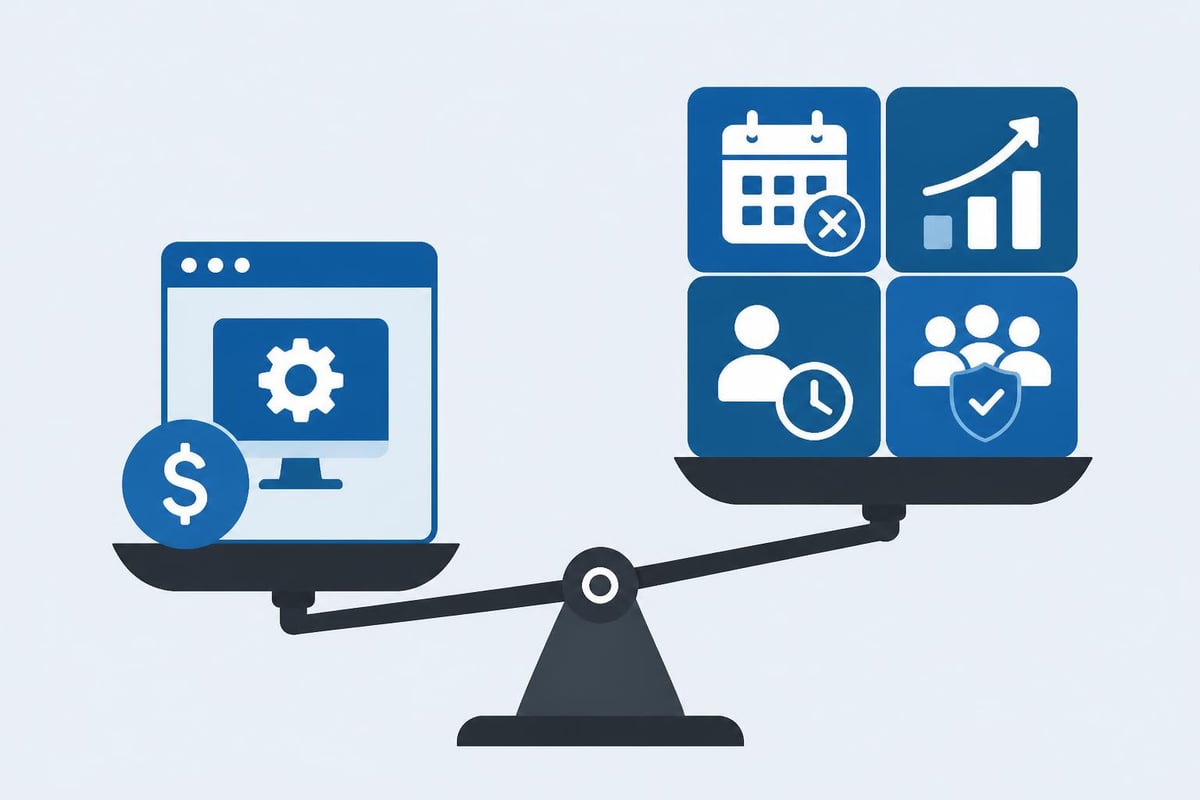
Evaluating ROI requires measuring both hard cost savings and revenue improvements. The best salon scheduling software typically delivers returns through:
- Reduced no-shows saving $200-$500 monthly for average salons
- Increased booking efficiency enabling 10-15% more appointments
- Labor savings reducing front desk requirements by 5-10 hours weekly
- Marketing automation decreasing customer acquisition costs by 20-30%
- Improved retention increasing lifetime customer value by 15-25%
A salon with five stylists averaging $3,000 weekly revenue each can expect annual returns exceeding $15,000 from quality scheduling software, far outweighing typical annual costs of $1,200-$3,600.
Implementation Strategy and Staff Adoption
Technology only delivers value when properly implemented and consistently used by your team.
Successful Rollout Planning
Phase implementation minimizes disruption while building confidence. Recommended approach:
- Week 1-2: Configure basic settings, import client data, and set up services
- Week 3: Train key staff members who will become internal champions
- Week 4: Launch online booking for new clients only
- Week 5-6: Migrate existing clients and encourage online rebooking
- Week 7-8: Enable advanced features like automated marketing and reporting
According to data from expert salon software reviews, salons completing structured training programs achieved full staff adoption 3x faster than those using informal training approaches.
Training and Support Resources
The best salon scheduling software providers offer comprehensive onboarding including:
- Live training sessions for owners and managers
- Video tutorials accessible for ongoing reference
- Written documentation and quick-start guides
- Responsive customer support via phone, email, and chat
- User communities and forums for peer learning
- Regular webinars covering advanced features and best practices
Prioritize vendors providing dedicated onboarding specialists during the critical first 30 days. This support dramatically improves implementation success rates.
Evaluating Customer Support Quality
Technical issues require immediate resolution. Support quality varies dramatically across providers.
Support Channel Availability
Multi-channel support ensures you can reach assistance through your preferred method:
- Phone support with reasonable wait times (under 5 minutes)
- Email support with response commitments (within 4-24 hours)
- Live chat for quick questions during business hours
- Help center with searchable knowledge base
- Video tutorials demonstrating common tasks
Test support responsiveness before committing. Submit pre-sales questions and evaluate response time, helpfulness, and technical knowledge.
Upgrade Path and Scalability
Your salon will evolve. The best salon scheduling software grows alongside your business without requiring platform migration.
Evaluate:
- Feature additions in higher pricing tiers
- Location expansion capabilities and associated costs
- Staff capacity limits and upgrade requirements
- Integration options becoming available at different levels
- Data export capabilities if you eventually outgrow the platform
Platforms reviewed in comprehensive software comparisons demonstrate that scalability significantly impacts long-term satisfaction and switching costs.
Industry-Specific Considerations for Salon Software
Different salon types have unique requirements that generic scheduling platforms may not address adequately.
Specialized Service Requirements
Hair salons require color formula tracking, chemical processing timers, and stylist skill-level matching. Nail salons need station management and ventilation scheduling. Med spas must handle consent forms, medical histories, and provider licensing verification.
The best salon scheduling software for your specific niche includes:
- Industry-specific service templates
- Compliance tools for your regulatory environment
- Customizable intake forms matching your services
- Reporting aligned with your business model
- Integration with industry-specific tools and suppliers
Franchise and Multi-Brand Operations
Enterprise features become essential when managing multiple brands or franchise locations:
- Centralized brand control with local customization flexibility
- Franchisee performance benchmarking and comparison
- Standardized training materials and implementation processes
- Corporate-level reporting with drill-down capabilities
- Volume pricing reflecting total location count
According to research from detailed salon software analyses, franchise operations require 40% more implementation time but achieve 25% better consistency in client experience across locations.
Making Your Final Selection Decision
Choosing the best salon scheduling software requires methodical evaluation aligned with your specific priorities.
Trial Period Strategy
Free trials provide invaluable hands-on experience. Maximize trial effectiveness by:
- Setting up completely as if you're launching permanently
- Testing with real clients using actual services and pricing
- Involving staff to gather feedback on usability
- Processing test transactions to verify payment flows
- Exploring all features beyond basic scheduling
- Measuring time savings compared to current processes
- Contacting support to evaluate responsiveness
Create a standardized evaluation scorecard rating each platform on your priority criteria, enabling objective comparison after completing multiple trials.
Vendor Reputation and Longevity
Company stability matters when entrusting client data and business operations. Research:
- Years in business and funding status
- Client reviews on independent platforms
- Case studies from similar salon types
- Industry awards and recognition
- Development roadmap and innovation pace
- Acquisition history and ownership changes
Platforms backed by established companies or demonstrating consistent growth provide greater confidence in long-term viability and continued development.
Selecting the best salon scheduling software requires balancing features, costs, and long-term scalability while ensuring the platform aligns with your operational workflow and growth objectives. Since its launch in 2016, Salon Booking System has helped numerous salons streamline appointment management through comprehensive features including online payments, automated client notifications, and advanced scheduling rules designed specifically for beauty professionals. Explore how Salon Booking System can enhance your client satisfaction and operational efficiency with a user-friendly platform trusted by salons across the industry.