The salon industry has transformed dramatically over the past decade, with digital appointment management becoming essential for survival and growth. In 2026, selecting the best salon appointment app is no longer a luxury but a business necessity. According to recent industry data, salons using dedicated booking software experience 30% fewer no-shows and see revenue increases of up to 25% compared to those relying on manual scheduling methods. The right appointment app can revolutionize your daily operations, improve client satisfaction, and unlock new revenue streams through automated marketing and retention features.
Understanding What Makes a Salon Appointment App Stand Out
The best salon appointment app combines intuitive design with powerful functionality that addresses real salon challenges. These platforms must handle complex scheduling scenarios while remaining simple enough for both staff and clients to navigate effortlessly.
Core Features That Define Quality
When evaluating appointment software, certain capabilities separate exceptional platforms from basic calendar tools. The essential features for salon appointment apps have evolved significantly, with 2026 bringing new expectations around automation and intelligence.
Critical functionality includes:
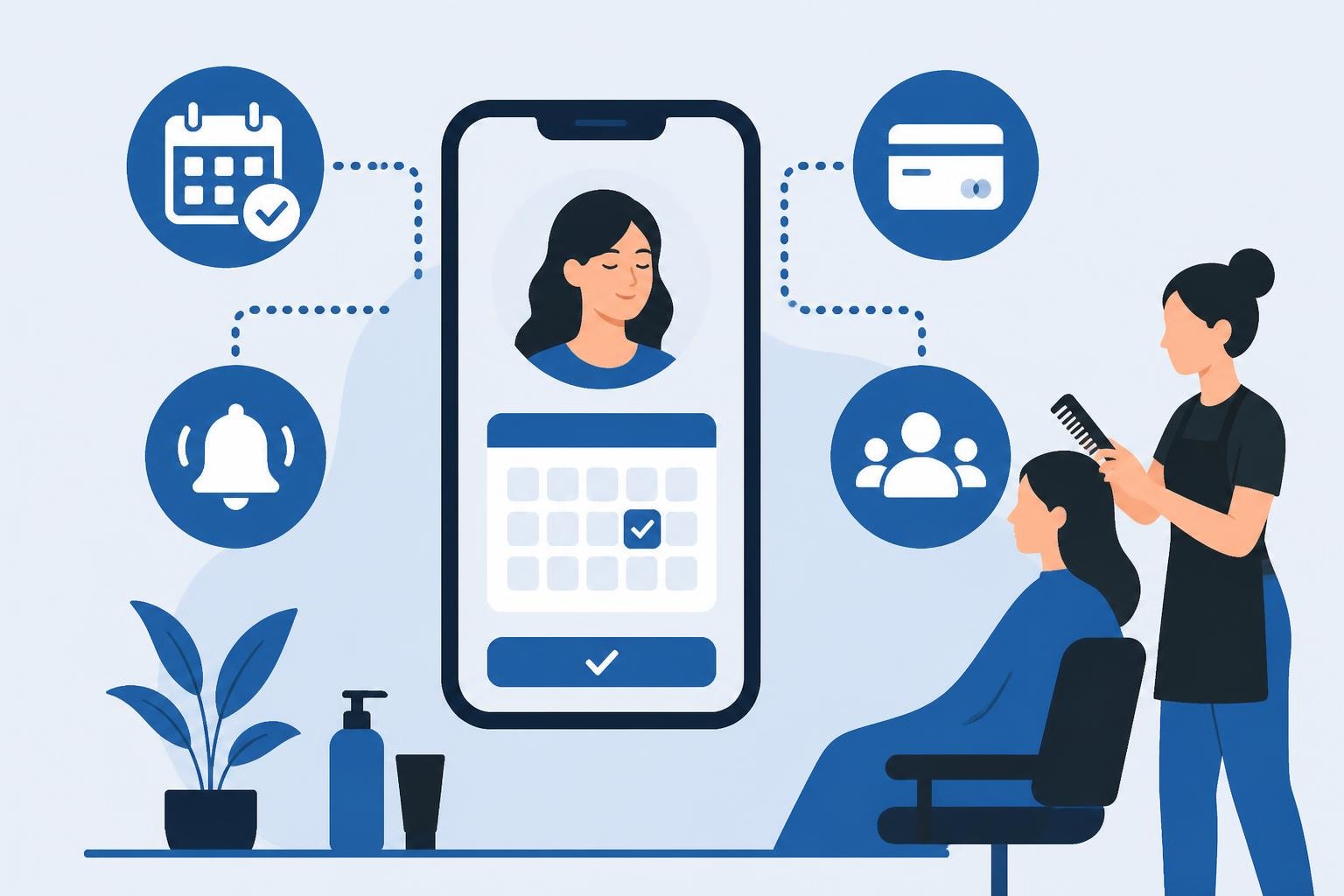
- 24/7 online booking accessible from any device
- Multi-service and multi-staff scheduling with conflict prevention
- Automated client notifications via SMS, email, and push notifications
- Integrated payment processing with deposit capabilities
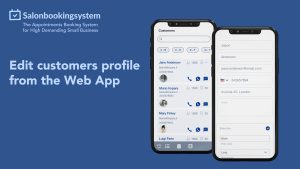
- Client relationship management with service history tracking
- Customizable booking rules based on service type and duration
- Real-time calendar synchronization across platforms
The difference between adequate and exceptional lies in how these features work together. A fragmented system where booking, payments, and client management operate in silos creates inefficiency and frustration.
AI-Powered Capabilities Reshaping Scheduling
Artificial intelligence has moved from experimental to essential in salon management. Machine learning algorithms now predict optimal appointment spacing, suggest service upgrades based on client history, and even forecast busy periods to help with staff planning.
Smart scheduling features analyze historical data to recommend appointment times that minimize gaps while maximizing revenue. For instance, if your colorist typically needs 15 minutes between appointments for cleanup, intelligent systems automatically build this buffer into the schedule without manual intervention.
| AI Feature | Business Impact | Implementation Complexity |
|---|---|---|
| Predictive scheduling | 15-20% capacity increase | Medium |
| Dynamic pricing recommendations | 10-15% revenue boost | Low |
| Automated service suggestions | 25% higher ticket values | Low |
| No-show prediction | 40% reduction in missed appointments | High |
Evaluating Leading Platforms in 2026
The marketplace offers dozens of options, making comparison essential. When researching the best salon appointment app, consider how different platforms align with your specific business model and growth trajectory.
Feature Comparison Across Top Providers
Different salon booking software platforms excel in different areas. Some prioritize ease of use, while others focus on enterprise-level customization and reporting capabilities.
Budget-conscious salons should evaluate free tiers and entry-level pricing carefully. Many platforms advertise low starting prices but charge significantly more once you add essential features like SMS notifications, payment processing, or advanced reporting.
Growing multi-location businesses need platforms that scale efficiently without exponential cost increases. Look for unified dashboards that provide location-specific and aggregate data, centralized client databases that work across all branches, and consistent branding across customer-facing booking portals.
Pricing Structures and Hidden Costs
Transparent pricing separates trustworthy providers from those that spring surprise charges. The best salon appointment app maintains clear, predictable costs that align with your usage and growth.
Common pricing models include:
- Per-provider monthly fees: You pay based on the number of stylists, typically ranging from $25-$75 per provider monthly
- Flat subscription rates: Fixed monthly costs regardless of staff size, usually $50-$300 depending on features
- Transaction-based fees: A percentage of each booking or payment processed, generally 2-4%
- Hybrid models: Combining base subscriptions with per-transaction fees for payment processing
Watch for additional costs that may not appear in advertised rates. Processing fees for credit card payments typically add 2.5-3.5% per transaction. SMS notification charges can accumulate quickly, especially for high-volume salons. Premium support tiers often cost extra but may be necessary for responsive assistance.
Implementation and Adoption Strategies
Choosing the best salon appointment app represents only half the challenge. Successful implementation requires strategic planning and team buy-in.
Migration From Manual or Legacy Systems
Transitioning from paper books or outdated software demands careful coordination to avoid disrupting operations. The most successful migrations follow a phased approach over 2-4 weeks.
Week 1: Preparation
- Export existing client data and appointment history
- Clean databases by removing duplicates and updating contact information
- Configure service menus, pricing, and staff schedules in the new system
- Set up payment processing and notification templates
Week 2: Parallel Operation
- Run both old and new systems simultaneously
- Book new appointments in the new platform while maintaining old records
- Train staff on essential features through hands-on practice
- Test client-facing booking flows with staff members acting as customers
Week 3: Gradual Client Migration
- Begin transferring existing appointments to the new system
- Introduce online booking to current clients through email campaigns
- Monitor for booking conflicts or technical issues
- Gather staff feedback and adjust workflows
Week 4: Full Transition
- Complete migration of all appointments and client records
- Deactivate legacy systems
- Launch marketing campaigns promoting online booking capabilities
- Establish ongoing training schedules for advanced features

Staff Training and Change Management
Resistance to new technology often stems from fear of complexity or change rather than actual difficulty. Address concerns proactively by demonstrating how the best salon appointment app simplifies rather than complicates daily tasks.
Create role-specific training programs that focus on relevant features. Receptionists need deep knowledge of booking, rescheduling, and client management. Service providers should master viewing their schedules, accessing client notes, and processing payments. Managers require comprehensive understanding of reporting, staff management, and system configuration.
Maximizing Client Adoption of Online Booking
Even the most sophisticated platform delivers limited value if clients continue calling for appointments. Converting clients to self-service booking requires strategic encouragement and seamless user experience.
Optimizing the Booking Experience
Your online booking interface serves as a digital storefront. According to research from the International Spa Association, 67% of beauty service clients prefer booking appointments online outside business hours. The beauty appointment apps comparison shows that successful platforms share common design principles focused on simplicity and speed.
Essential user experience elements:
- Mobile-responsive design that works flawlessly on smartphones
- Service browsing with clear descriptions, durations, and pricing
- Staff selection with photos and specialization details
- Real-time availability display preventing double-booking frustration
- Guest checkout options that don't require account creation
- Confirmation pages with calendar integration options
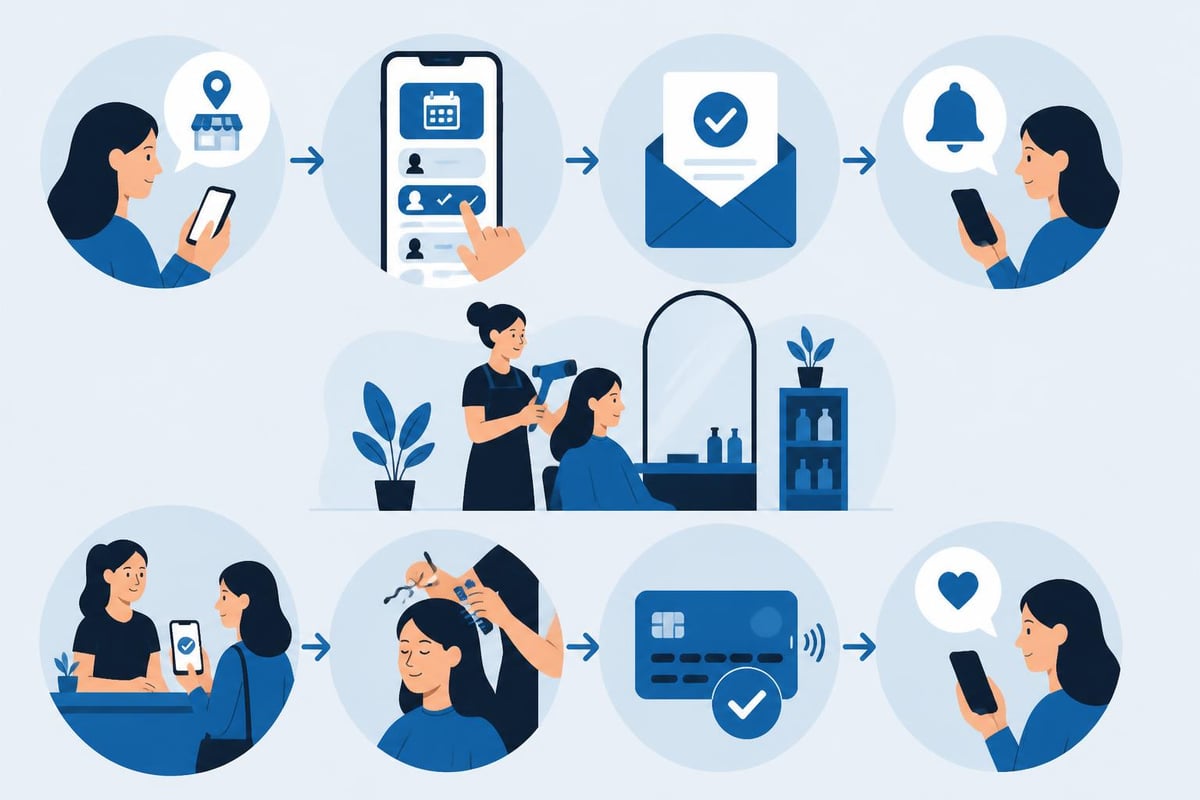
The booking flow should require no more than four clicks from landing to confirmation. Each additional step reduces completion rates by approximately 10%, according to usability studies.
Marketing Your Online Booking Capability
Simply having online booking available isn't enough. Proactive marketing drives adoption and reduces phone-based scheduling workload.
Effective promotion strategies include:
- Email signature integration: Every staff email should include a "Book Online" link
- Social media bio optimization: Instagram, Facebook, and TikTok profiles should feature booking links prominently
- Post-appointment follow-up: Include online booking links in thank-you messages and feedback requests
- In-salon signage: Physical reminders with QR codes for instant mobile booking
- Website integration: Prominent booking buttons on every page, not just contact sections
- Incentive programs: Small discounts or loyalty points for clients who book online
For salons managing high call volumes, partnering with professional customer service providers like Focus Services can help handle overflow while still directing clients toward self-service options for future appointments.
Advanced Features That Drive Revenue Growth
The best salon appointment app does more than organize schedules. It actively contributes to revenue growth through intelligent automation and client engagement tools.
Automated Marketing and Retention
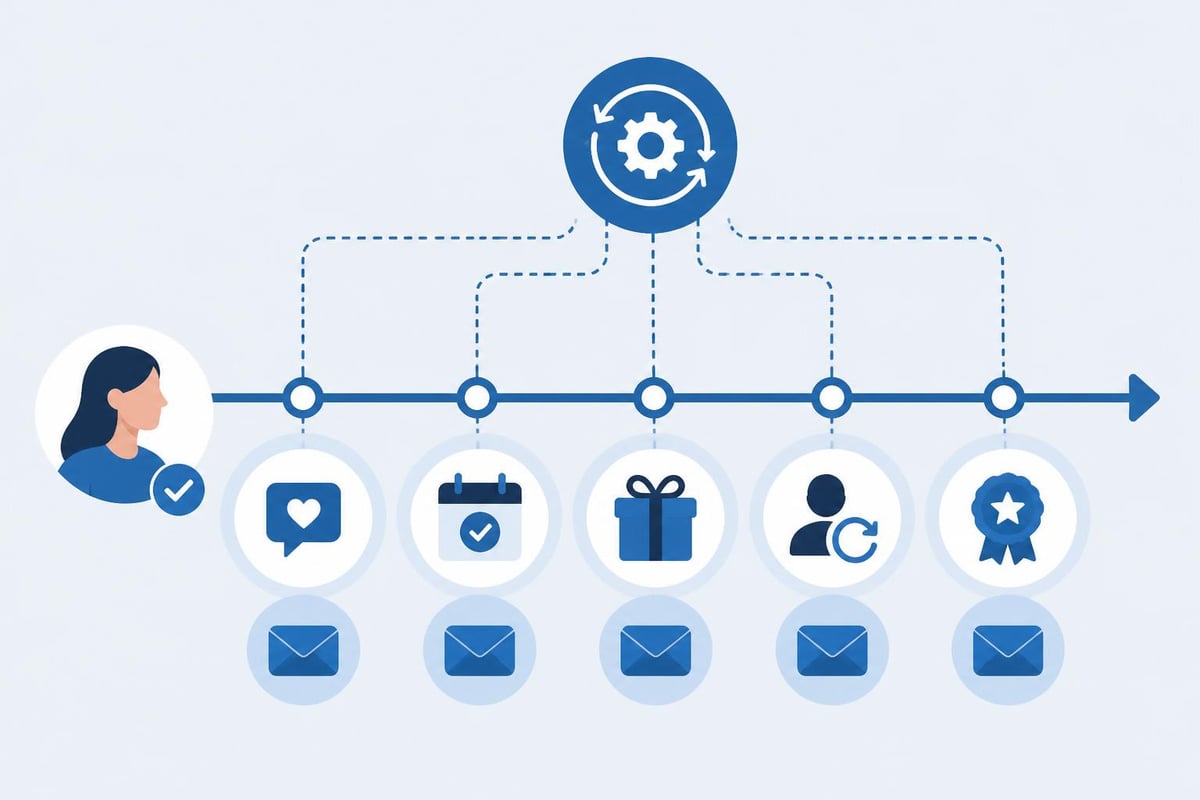
Client retention costs significantly less than acquisition, yet many salons focus disproportionately on attracting new customers. Appointment platforms with built-in marketing automation help maintain relationships without manual effort.
Revenue-generating automation capabilities:
- Rebooking reminders: Automated messages sent 2-4 weeks after appointments suggesting the next visit based on service type
- Birthday campaigns: Personalized offers sent during birth months to drive special occasion visits
- Win-back sequences: Progressive messaging to clients who haven't booked in 60-90 days
- Upgrade suggestions: Targeted promotions for complementary services based on appointment history
- Review requests: Automated feedback collection that builds online reputation
Data from the Professional Beauty Association indicates that salons implementing automated rebooking reminders see retention rates improve by 23-35%. The return on investment for these features typically materializes within the first month of implementation.
Integrated Payment Processing and Financial Tools
Fragmented systems where booking, service delivery, and payment happen on separate platforms create reconciliation headaches and revenue leakage. The best salon appointment app unifies these functions into cohesive workflows.
Integrated payment capabilities enable deposits for high-value services or first-time clients, reducing no-show rates by up to 45%. Pre-payment options for packages or memberships improve cash flow predictability. Contactless payment processing has become standard, with 78% of clients preferring card or digital wallet payments over cash in 2026.
| Payment Feature | Client Benefit | Salon Benefit |
|---|---|---|
| Deposit collection | Secures preferred time slots | Reduces no-shows by 45% |
| Stored payment methods | One-click checkout | Faster transaction processing |
| Package pre-purchase | Better value per visit | Improved cash flow |
| Tipping options | Convenient gratuity | Increased staff earnings |
| Split payments | Flexible payment options | Higher average tickets |
Financial reporting integration transforms appointment data into business intelligence. Track revenue by service, provider, or time period. Identify your most profitable offerings and underperforming services. Monitor commission structures and ensure accurate staff compensation.
Mobile App Capabilities for Clients and Staff
While web-based booking serves many needs, dedicated mobile applications offer enhanced functionality and convenience. The best salon appointment app provides robust mobile experiences for both clients and staff members.
Client-Facing Mobile Features
Mobile apps create stickiness that web portals cannot match. Push notifications have 30% higher open rates than email, ensuring clients see important reminders and promotional messages.
Features that drive client app adoption include appointment management with one-tap rescheduling, loyalty program tracking with point balances and reward redemption, saved payment methods for express checkout, service history access for repeat booking, and photo galleries showing previous results or inspiration images.
The salon booking app features comparison demonstrates how leading platforms differentiate through mobile-first design and integration with popular messaging platforms like WhatsApp.
Staff-Side Mobile Functionality
Stylists and service providers increasingly expect mobile access to their schedules and client information. Staff apps should display daily schedules with service details and client notes, provide client profile access including service history and preferences, enable schedule management for time-off requests and availability updates, facilitate communication with front desk and other providers, and support mobile payment processing for flexibility.
Mobile scheduling apps reduce the burden on front desk staff while empowering service providers to manage their own time more effectively. This autonomy increases job satisfaction and reduces administrative overhead.
Integration Ecosystem and Scalability
No software operates in isolation. The best salon appointment app connects seamlessly with the other tools that power your business.
Essential Third-Party Integrations
Modern salons rely on multiple specialized platforms for accounting, marketing, inventory management, and more. Appointment software should serve as the central hub connecting these systems.
Critical integration categories:
- Accounting software: QuickBooks, Xero, or FreshBooks for automated financial record-keeping
- Email marketing: Mailchimp, Constant Contact, or Klaviyo for campaign management
- Social media: Instagram, Facebook, and Google My Business for booking widget embedding
- Point-of-sale systems: Retail integration for product sales alongside services
- Inventory management: Product tracking and automatic reorder triggers
- Payroll services: Automated commission calculation and staff compensation
Open API access allows custom integrations when off-the-shelf connections don't exist. This flexibility becomes increasingly important as your technology stack evolves.
Planning for Multi-Location Growth
Even single-location salons should evaluate scalability during platform selection. Switching systems becomes exponentially more difficult as your business grows.
Scalable platforms support centralized client databases accessible across all locations, location-specific branding and service customization, aggregate reporting with location-level drill-down capabilities, flexible staff assignment across multiple branches, and centralized inventory management with location tracking.
Security, Compliance, and Data Protection
Client data represents both an asset and a liability. The best salon appointment app treats security and privacy with appropriate seriousness.
Payment Card Industry Compliance
If you process credit cards, PCI DSS compliance isn't optional. Non-compliant businesses face fines up to $100,000 monthly and liability for fraud-related losses.
Compliant appointment platforms handle payment processing through certified gateways, tokenize stored payment information to prevent data exposure, maintain encryption for all data transmission, conduct regular security audits and vulnerability assessments, and provide compliance documentation for your records.
Never store raw credit card numbers in your appointment system. Tokenization replaces sensitive data with non-sensitive equivalents that are useless to potential hackers.
Privacy Regulations and Client Consent
Data protection regulations like GDPR (Europe), CCPA (California), and similar laws worldwide impose strict requirements on how you collect, store, and use client information.
Your appointment platform should facilitate compliance through clear consent mechanisms during booking, data retention policies with automatic purging, client data access and deletion capabilities, audit trails showing who accessed what information and when, and privacy policy integration into booking flows.
According to the International Association for Privacy Professionals, privacy violations cost businesses an average of $4.24 million per incident in 2025. The investment in compliant systems pays for itself through risk mitigation.
Measuring Success and ROI
Implementing new software requires investment. Tracking specific metrics demonstrates whether you've selected the best salon appointment app for your needs.
Key Performance Indicators to Monitor
Operational efficiency metrics:
- Online booking percentage (target: 60-80% of total appointments)
- Average time spent on phone scheduling (should decrease 40-60%)
- No-show rate (target: under 5% with deposits)
- Appointment gaps and schedule optimization (maximize provider utilization)
- Staff scheduling time (should reduce to minutes rather than hours weekly)
Revenue impact metrics:
- Average ticket value (track service upgrade adoption)
- Rebooking rate (percentage of clients scheduling next visit before leaving)
- New client acquisition through online discovery
- Product sales per service appointment
- Overall revenue growth compared to pre-implementation baseline
Client satisfaction indicators:
- Online review ratings and volume
- Booking completion rate (users who start but don't finish booking)
- Repeat visit frequency
- Client retention rates
- Net Promoter Score (NPS) from post-appointment surveys
Establish baseline measurements before implementation and track monthly progress. Most salons see measurable improvements within 30-60 days, with full ROI typically achieved in 3-6 months.
Calculating Total Cost of Ownership
Beyond monthly subscription fees, consider the complete financial picture. Software costs include subscription fees, payment processing percentages, SMS and communication charges, integration costs for connected platforms, and training time investment.
Compare these expenses against benefits such as reduced front desk labor requirements, decreased no-show revenue loss, increased appointments through optimized scheduling, higher average tickets from upselling features, and improved retention reducing acquisition costs.
For example, a mid-sized salon with four providers paying $200 monthly for comprehensive software might reduce no-shows by $800 monthly (10 missed appointments at $80 average), increase retention value by $600 monthly (better rebooking rates), and save $400 in front desk efficiency. The net monthly benefit of $1,600 against $200 cost demonstrates substantial ROI.
Making Your Final Selection Decision
With numerous platforms claiming to be the best salon appointment app, systematic evaluation prevents costly mistakes.
Creating Your Requirements Checklist
Document your specific needs before beginning serious platform evaluation. Consider your current pain points, must-have features versus nice-to-have capabilities, budget constraints including setup and monthly costs, technical capabilities of your team, growth plans for the next 2-3 years, and integration requirements with existing tools.
The comprehensive reviews of salon appointment apps can help identify which platforms align with different salon types and business models.
Trial Period Best Practices
Most quality platforms offer 14-30 day free trials. Maximize this evaluation period by testing specific workflows rather than just exploring features, involving multiple staff members in different roles, simulating your actual booking patterns and client scenarios, evaluating mobile experiences on various devices, testing customer support responsiveness and quality, and reviewing reporting capabilities with real data.
Don't rely solely on demo presentations from sales teams. Hands-on testing reveals usability issues and workflow friction that polished demos conceal.
Trial evaluation scorecard:
| Evaluation Criteria | Weight | Platform A Score | Platform B Score | Platform C Score |
|---|---|---|---|---|
| Ease of use | 25% | |||
| Feature completeness | 20% | |||
| Mobile experience | 15% | |||
| Customer support | 15% | |||
| Pricing transparency | 10% | |||
| Integration options | 10% | |||
| Scalability | 5% |
Assign scores from 1-10 in each category, multiply by the weight percentage, and total for an objective comparison across platforms.
Selecting the best salon appointment app requires careful consideration of features, pricing, scalability, and alignment with your specific business needs. The right platform streamlines operations, reduces no-shows, increases revenue, and enhances client satisfaction through seamless booking experiences. If you're ready to transform your appointment management and unlock growth potential, Salon Booking System offers the comprehensive features and user-friendly design that salons have trusted since 2016 to efficiently manage bookings and delight customers.