The beauty industry continues its digital transformation in 2026, with salon owners increasingly recognizing that traditional paper-based systems and manual processes can no longer support growing client expectations or operational complexity. Beauty parlour software has evolved from a luxury investment into an essential business tool, enabling salons to compete effectively while delivering exceptional client experiences. According to recent market analysis, the salon software market is projected to grow significantly as more beauty businesses embrace technology to streamline operations, reduce administrative burden, and maximize revenue potential.
Understanding the Core Functions of Beauty Parlour Software
Modern beauty parlour software serves as the operational backbone for salons of all sizes, replacing fragmented tools with unified platforms that manage every aspect of the business. These systems go far beyond simple appointment scheduling, integrating client management, payment processing, inventory tracking, staff coordination, and business analytics into cohesive solutions.
Appointment Management and Scheduling
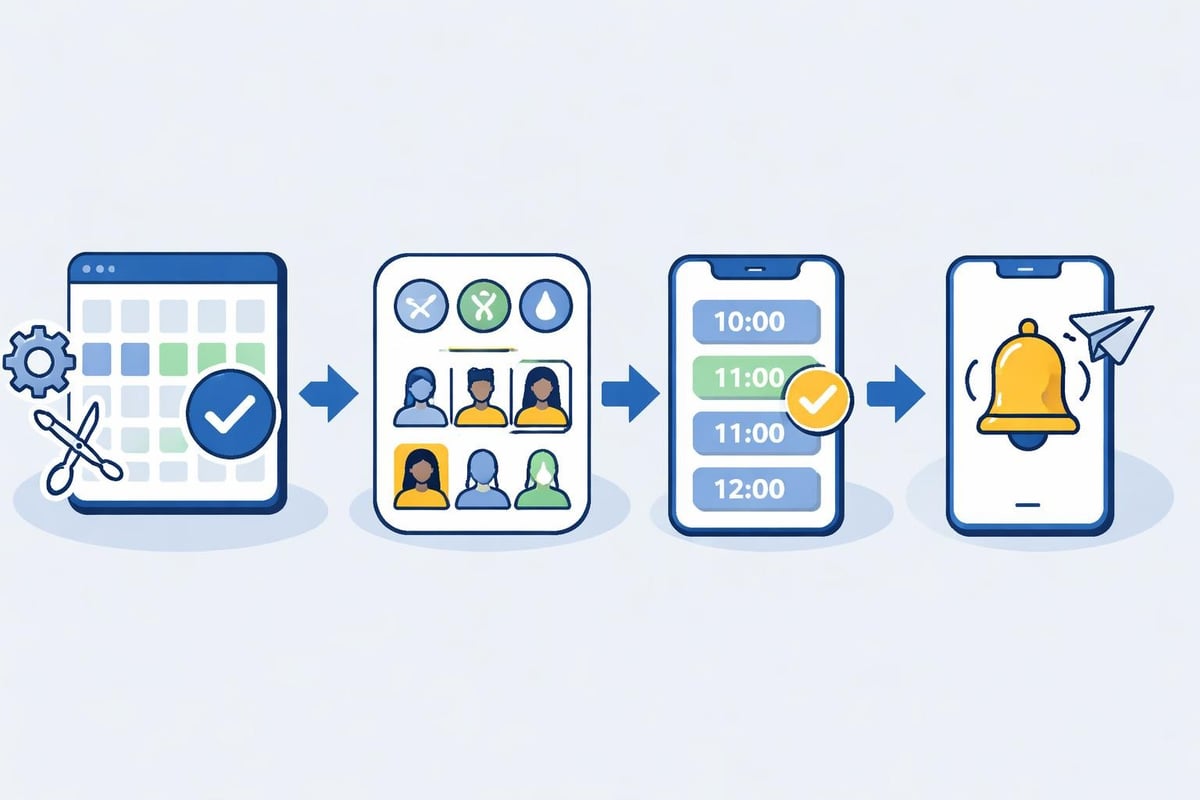
The scheduling component represents the most visible feature of beauty parlour software, directly impacting both client satisfaction and operational efficiency. Advanced scheduling systems allow clients to book services 24/7 through online portals, reducing phone call volume and eliminating booking errors that occur with manual entry.
Key scheduling capabilities include:
- Real-time availability displays that prevent double-bookings
- Automated appointment reminders via SMS and email
- Waitlist management for last-minute cancellations
- Recurring appointment setup for regular clients
- Multi-location scheduling for salon chains
Research indicates that salons implementing automated reminder systems experience up to 30% reduction in no-show rates, translating directly to revenue protection. The scheduling engine must also accommodate complex booking rules, such as buffer times between services, stylist-specific availability, and service duration variations based on hair length or treatment complexity.
Client Relationship Management Features
Beauty parlour software transforms how salons maintain client relationships through comprehensive customer databases and communication tools. Every client interaction, service history, product purchase, and preference becomes documented and accessible, enabling personalized service delivery that builds loyalty.
The CRM functionality tracks critical client information including contact details, service preferences, allergic reactions or sensitivities, birthday dates for promotional outreach, and complete appointment histories. This data empowers stylists to provide consistent service quality, remember client preferences, and make informed recommendations for products or treatments.
| CRM Feature | Business Impact | Implementation Priority |
|---|---|---|
| Service History Tracking | Personalized recommendations, consistency | High |
| Automated Birthday Campaigns | Increased retention, additional bookings | Medium |
| Client Segmentation | Targeted marketing, higher conversion | High |
| Notes and Preferences | Enhanced service quality, client satisfaction | High |
| Communication Logs | Professionalism, dispute resolution | Medium |
Financial Management and Payment Processing
The financial capabilities within beauty parlour software eliminate manual cash handling errors and provide real-time visibility into business performance. Integrated payment processing accepts multiple payment methods including credit cards, digital wallets, and contactless payments, meeting modern consumer expectations for convenience.
Point-of-sale functionality extends beyond simple payment acceptance to include inventory management for retail products, commission tracking for staff compensation, tip distribution, and gift card sales. Automated invoicing reduces administrative workload while ensuring professional client communications.
Revenue Analytics and Reporting
Advanced reporting transforms raw transaction data into actionable business intelligence. Salon owners access dashboards displaying key performance indicators such as:
- Daily, weekly, and monthly revenue trends with year-over-year comparisons
- Service popularity rankings identifying high-demand treatments
- Stylist performance metrics including booking rates and average ticket size
- Client retention rates highlighting loyalty program effectiveness
- Product sales analysis optimizing inventory investments
These insights enable data-driven decision-making around pricing strategies, service menu adjustments, staffing levels, and marketing campaign effectiveness. According to market research on salon software adoption, businesses utilizing comprehensive analytics features report average revenue increases of 15-25% within the first year of implementation.
Staff Management and Productivity Tools
Beauty parlour software streamlines workforce management through scheduling tools that balance employee availability, skill sets, and client preferences. Staff members access personal dashboards showing their appointment schedules, client notes, service requirements, and performance metrics.
Commission and payroll integration automatically calculates earnings based on services performed, product sales, and tip allocation, eliminating manual payroll preparation. This transparency improves staff satisfaction while reducing administrative overhead for salon managers.
Permission-based access controls ensure appropriate data security, allowing different access levels for owners, managers, stylists, and reception staff. This protects sensitive business information while enabling efficient collaboration across the team.

Performance Tracking and Goal Setting
Individual performance tracking motivates staff while identifying training opportunities and rewarding high performers. Managers set specific goals for booking rates, retail sales targets, or client satisfaction scores, with the software automatically tracking progress and generating performance reports.
Regular performance reviews become data-supported conversations focused on objective metrics rather than subjective impressions. This professionalism elevates workplace culture and supports employee development.
Marketing Automation and Client Retention
Modern beauty parlour software includes sophisticated marketing tools that maintain client engagement between appointments and encourage rebooking. Automated email campaigns promote seasonal services, announce new treatments, share exclusive offers, and remind clients when they're due for maintenance services.
Loyalty programs integrated within the software reward repeat visits through points accumulation, tiered membership benefits, or referral incentives. These programs run automatically, requiring minimal manual management while significantly impacting client retention rates.
Social Media and Online Presence Integration
Leading platforms connect with social media accounts, enabling appointment booking directly through Facebook or Instagram. This seamless integration meets clients where they already spend time online, reducing friction in the booking process.
Online review management tools monitor reputation across platforms like Google, Yelp, and specialized beauty review sites. Automated review requests sent after appointments increase positive feedback volume while alerting owners to potential issues requiring attention.
The evolving beauty salon industry landscape emphasizes digital presence as critical for attracting younger clientele who research services online before booking appointments.
Mobile Accessibility and Cloud-Based Solutions
Cloud-based beauty parlour software delivers significant advantages over traditional on-premise systems, including remote access, automatic updates, enhanced security, and lower upfront costs. Salon owners monitor business performance from anywhere using mobile apps, reviewing booking calendars, approving time-off requests, or analyzing sales reports whether at the salon or traveling.
Benefits of cloud-based systems:
- No expensive server hardware required
- Automatic data backups preventing information loss
- Software updates deployed without downtime
- Scalability supporting business growth
- Multi-location management from single dashboard
Clients also benefit from mobile accessibility through dedicated booking apps or mobile-optimized websites. This convenience factor directly influences booking conversion rates, as clients can schedule appointments during brief moments throughout their day rather than waiting to call during business hours.
According to industry analysis on cloud-based salon solutions, the shift toward cloud platforms has accelerated substantially, with market penetration expected to exceed 75% by 2027.
Inventory Management for Retail and Supplies
Comprehensive beauty parlour software tracks two distinct inventory categories: retail products sold to clients and professional supplies used for service delivery. Automated inventory tracking monitors stock levels, generates reorder alerts, and analyzes product performance to optimize purchasing decisions.
Barcode scanning capabilities expedite product sales at checkout while maintaining accurate inventory counts. Integration with supplier systems can enable automatic reordering when stock reaches predetermined thresholds, preventing service disruptions due to supply shortages.
| Inventory Feature | Purpose | ROI Impact |
|---|---|---|
| Low Stock Alerts | Prevent supply gaps | Reduced service delays |
| Sales Performance Analysis | Optimize product mix | 15-30% retail revenue increase |
| Supplier Integration | Streamline ordering | Labor cost reduction |
| Expiration Tracking | Minimize waste | Improved profit margins |
Product Recommendation Systems
Advanced systems analyze client service histories and purchase patterns to suggest relevant retail products during checkout. These data-driven recommendations increase average transaction values while helping clients maintain salon results at home.

Integration Capabilities and Ecosystem Connectivity
Modern beauty parlour software functions within broader business ecosystems, requiring integration with accounting platforms, email marketing services, payment processors, and other specialized tools. Open API architectures enable custom integrations that extend platform capabilities without switching core systems.
Common integration requirements include:
- Accounting software (QuickBooks, Xero) for financial record synchronization
- Email marketing platforms (Mailchimp, Constant Contact) for campaign management
- Payment processors (Square, Stripe) for transaction handling
- Social media platforms for booking and engagement
- Review management services for reputation monitoring
These integrations eliminate duplicate data entry, reduce errors, and create seamless workflows across business functions. Salon owners should evaluate integration capabilities during software selection, ensuring compatibility with existing tools and future scalability.
Security, Compliance, and Data Protection
Beauty parlour software stores sensitive client information including contact details, payment data, and service histories, making security protocols absolutely critical. Reputable platforms implement industry-standard encryption, secure payment processing compliance (PCI DSS), and regular security audits to protect client data.
Data backup procedures ensure business continuity even during technical failures or cyber incidents. Automated daily backups stored in geographically distributed data centers prevent catastrophic data loss that could cripple operations.
Privacy Regulations and Consent Management
Compliance with privacy regulations varies by jurisdiction but generally requires explicit client consent for data collection, transparent privacy policies, and the ability for clients to access or delete their information upon request. Quality beauty parlour software includes consent management tools and configurable privacy settings that support regulatory compliance.
Selecting the Right Beauty Parlour Software
Choosing appropriate software requires careful evaluation of business needs, budget constraints, and growth plans. Salon owners should consider several factors during the selection process:
Essential evaluation criteria:
- Ease of use for staff with varying technical skills
- Feature comprehensiveness matching specific business requirements
- Pricing structure including setup fees, monthly costs, and transaction charges
- Customer support quality and availability during business hours
- Scalability supporting business expansion plans
- Mobile accessibility for owners and clients
- Integration options with existing business tools
Trial periods allow hands-on evaluation before committing to annual contracts. During trials, involve staff members who will use the system daily, gathering feedback on usability and workflow integration. Client-facing features should also be tested to ensure smooth booking experiences.
Understanding what beauty salon software offers provides foundational knowledge for evaluating specific platforms against business requirements.
Implementation Best Practices for Smooth Transitions
Successful beauty parlour software implementation requires structured planning and staff engagement. Rushed deployments often result in resistance, data migration errors, and operational disruptions that damage client experiences.
Phased Rollout Strategy
A phased approach minimizes risk by introducing features gradually rather than switching all systems simultaneously. Start with core appointment scheduling, ensuring staff comfort and system stability before adding payment processing, then marketing automation, and finally advanced analytics.
Implementation timeline example:
- Weeks 1-2: Data migration and system configuration
- Weeks 3-4: Staff training on scheduling features
- Week 5: Launch online booking for new clients only
- Week 6: Migrate existing client appointments
- Weeks 7-8: Add payment processing and retail functions
- Weeks 9-10: Activate marketing automation features
- Ongoing: Optimize based on user feedback and analytics
Comprehensive staff training ensures confident system usage and minimizes errors during the transition period. Provide multiple training sessions accommodating different learning styles, supplemented with written documentation and video tutorials for reference.
Measuring Software ROI and Business Impact
Implementing beauty parlour software represents a significant investment, making ROI measurement essential for justifying costs and optimizing platform utilization. Track specific metrics before and after implementation to quantify business impact.
Key performance indicators to monitor:
- No-show rate reduction measuring appointment reliability improvements
- Average booking value indicating upselling effectiveness
- Client retention rate demonstrating loyalty program success
- Online booking percentage showing client adoption of self-service
- Administrative time savings quantifying efficiency gains
- Revenue per stylist reflecting productivity improvements
According to industry benchmarks, salons typically achieve full ROI within 6-12 months through combined efficiency gains, reduced no-shows, increased client retention, and improved retail sales. The transformative impact of AI-powered salon software continues expanding ROI potential through predictive analytics and automated personalization.
Future Trends Shaping Beauty Parlour Software
The beauty parlour software landscape continues evolving rapidly, with emerging technologies creating new capabilities and client expectations. Artificial intelligence increasingly powers predictive scheduling, personalized service recommendations, and automated marketing optimization.
Virtual consultation features enable preliminary service discussions before in-person appointments, improving service accuracy and client satisfaction. Augmented reality integrations allow clients to preview hair colors or makeup looks before committing to treatments, reducing dissatisfaction and improving conversion rates.
Sustainability tracking features help salons monitor environmental impact through product usage analysis, waste reduction metrics, and carbon footprint calculations. These capabilities appeal to environmentally conscious clients while supporting genuine sustainability initiatives.
Current salon industry trends highlight the accelerating pace of technological adoption, with early adopters gaining competitive advantages through enhanced client experiences and operational efficiency.
Beauty parlour software has transformed from optional technology into essential infrastructure for competitive salon operations, driving efficiency, enhancing client experiences, and enabling data-driven growth strategies. If you're ready to modernize your salon's operations with a comprehensive scheduling solution that includes online payments, automated reminders, and advanced booking rules, Salon Booking System offers the proven platform trusted by beauty professionals since 2016. Streamline your appointment management and elevate client satisfaction today.