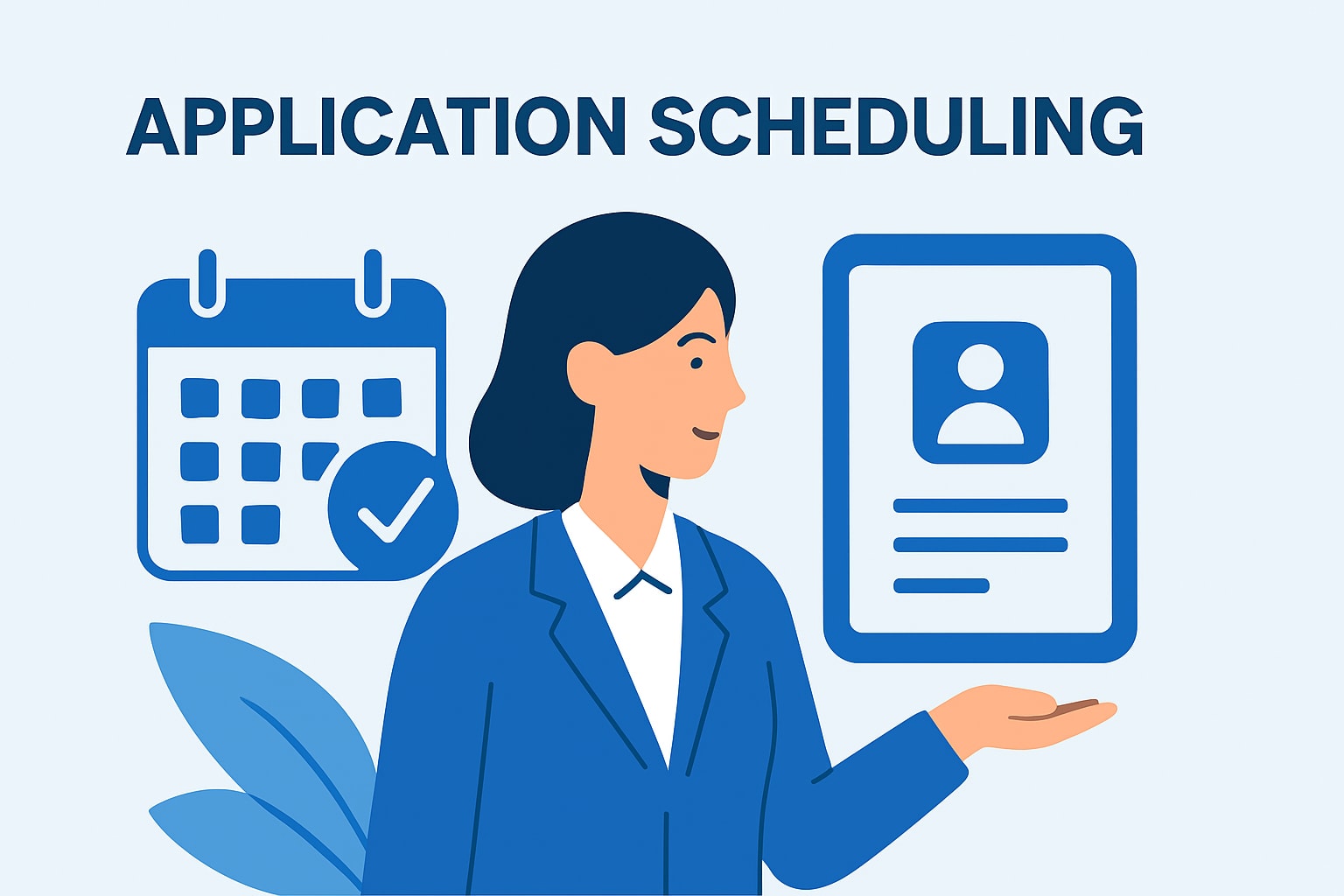
In 2026, seamless application scheduling sets successful salons apart, allowing them to meet the demands of a fast-changing industry. As digital expectations rise, clients expect instant, flexible booking options that fit their busy lives.
This expert guide explores the most effective strategies, innovative technologies, and industry best practices for mastering application scheduling. Did you know that over 70% of clients now expect to book their appointments online, and salons using advanced scheduling tools report up to 25% higher booking rates (Phorest Salon Software Report 2024)?
Discover how optimizing your scheduling process can reduce no-shows, save valuable time, and drive revenue growth. Ready to transform your approach? Take action with our step-by-step insights covering scheduling fundamentals, 2026 trends, top technology solutions, workflow optimization, and practical steps for long-term salon success.
Understanding Application Scheduling: Fundamentals and Importance
Salons and spas thrive on smooth, reliable application scheduling. In 2026, mastering this process is essential for balancing client demand, staff workflow, and business growth. Let us explore what application scheduling involves, why it matters, and how it shapes your competitive edge.
Definition and Scope of Application Scheduling
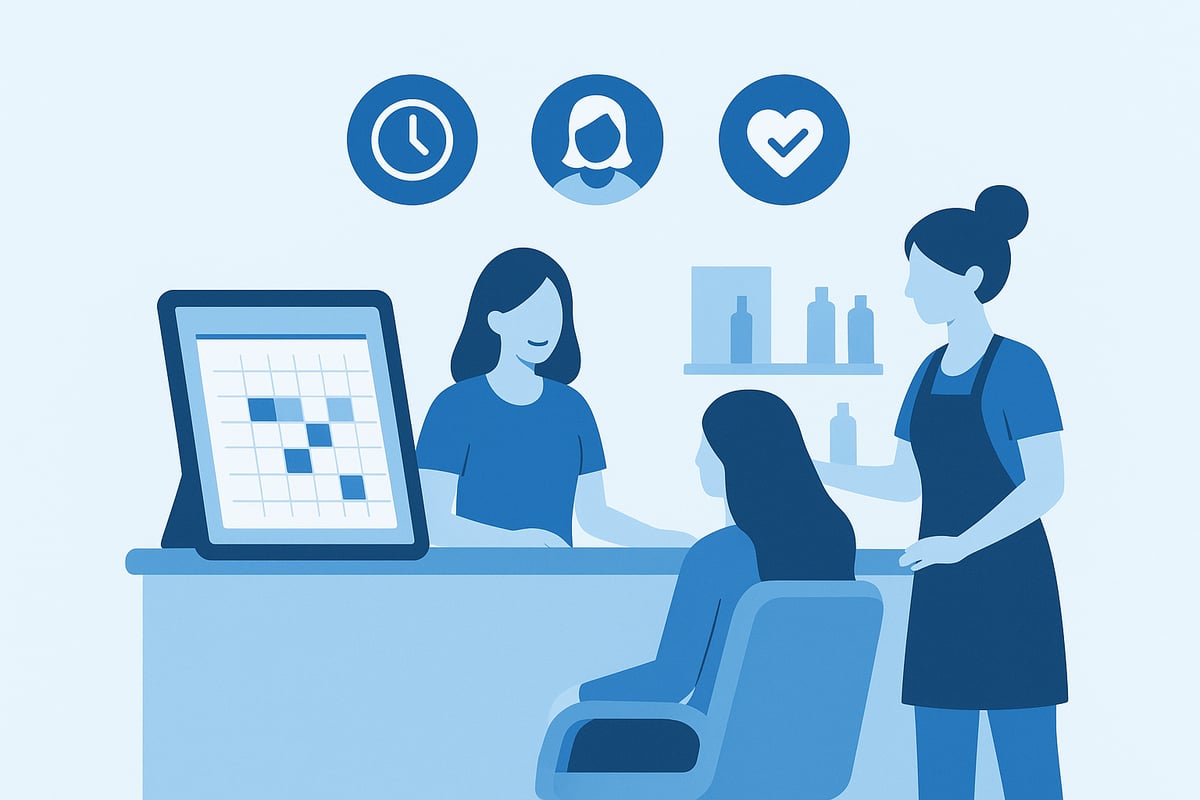
Application scheduling in salons refers to the organized process of assigning clients to services, staff, and resources at specific times. It covers everything from booking haircuts and spa treatments to aligning stylists, rooms, and equipment.
Manual approaches use paper or spreadsheets, while automated systems provide real-time availability, reminders, and smart conflict resolution. Key components include time slots, staff skills, resource allocation, and client preferences. For a deeper look at how time slots can be configured, see Dynamic and Fixed Time Slots.
Why Efficient Scheduling Matters for Salons
An optimized application scheduling system is critical for revenue growth, client retention, and staff productivity. Salons using advanced scheduling tools report up to 25 percent higher booking rates, according to the Phorest Salon Software Report 2024.
Common pain points include double-booking, no-shows, and overbooking, which can disrupt daily operations. Efficient scheduling directly addresses these challenges, improving both client satisfaction and team morale.
The Cost of Poor Scheduling
Ineffective application scheduling leads to missed appointments, idle staff, and lost revenue. On average, salons lose $3,000 annually due to no-shows, as reported by Square Appointments in 2023.
Poor scheduling can also harm your reputation, with dissatisfied clients leaving negative reviews online. Preventing these losses starts with a robust, data-driven scheduling strategy.
Scheduling as a Competitive Advantage
Top-performing salons leverage application scheduling to stand out in a crowded market. Integrating scheduling with marketing, loyalty programs, and upselling strategies allows for targeted offers and enhanced client experiences.
For example, a salon using scheduling analytics can identify VIP clients and offer exclusive promotions, turning routine bookings into revenue opportunities. The right approach transforms scheduling from a back-office task to a driver of business growth.
Key Challenges in 2026
The landscape for application scheduling is evolving. Salons face rising client expectations for flexibility and personalized experiences. Hybrid service models, combining in-person and virtual appointments, add complexity.
Compliance and data privacy regulations are tightening, requiring secure systems and transparent policies. Staying ahead means adapting to these trends and ensuring your scheduling process meets modern standards.
2026 Trends Shaping Application Scheduling in the Salon Industry
The landscape of application scheduling in salons is evolving rapidly. In 2026, staying ahead means embracing new technologies and adapting to shifting client expectations. Let us explore the six most impactful trends shaping the future of salon appointment management.
AI and Automation in Scheduling
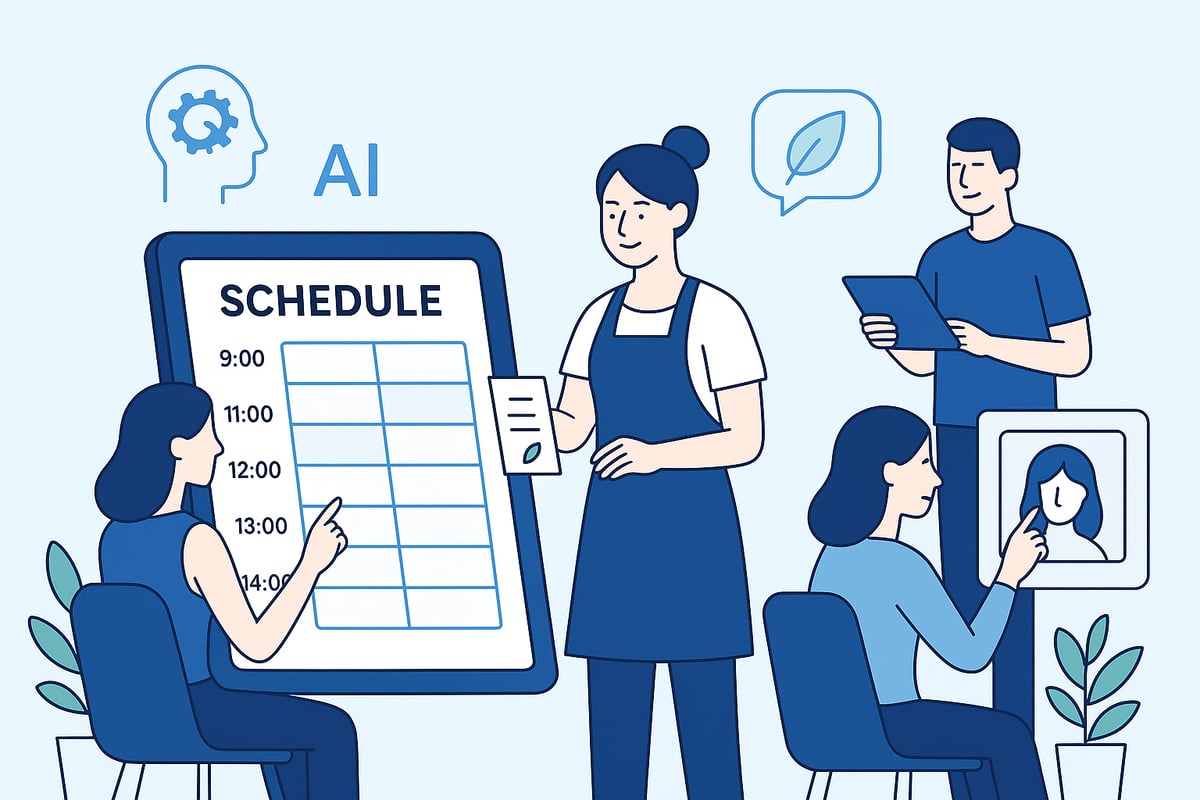
Artificial intelligence is redefining application scheduling for salons. AI-driven tools now recommend optimal appointment times based on client history, predicted demand, and staff skills. Automated reminders via SMS or email further reduce no-shows, while machine learning algorithms predict peak hours and allocate resources efficiently.
According to recent reports, AI-powered solutions have cut missed appointments by up to 30%. For more insights, see AI-driven appointment scheduling in salons, which details how these advancements are transforming salon operations.
Omnichannel Booking Experiences
Salons in 2026 must offer seamless omnichannel booking to meet client expectations. Application scheduling systems now integrate with websites, social media platforms, and mobile apps, enabling clients to book appointments anytime, anywhere.
A striking 65% of salon bookings occur outside traditional business hours, highlighting the importance of 24/7 self-service options. Clients expect instant confirmations and a consistent experience across all channels, making omnichannel integration vital for retaining and attracting new business.
Personalization and Dynamic Scheduling
Personalization drives client loyalty in today's competitive market. Application scheduling tools can tailor available time slots and service options based on individual preferences, booking history, and loyalty status.
Dynamic scheduling also enables last-minute deals and variable pricing, allowing salons to maximize occupancy and revenue. For example, VIP clients may receive early access to premium time slots, while others benefit from real-time discounts on slower days.
Data-Driven Decision Making
Data analytics play a pivotal role in optimizing staff schedules and managing resources. Modern application scheduling platforms generate real-time reports, enabling salon managers to identify peak periods, measure booking rates, and adjust staffing levels accordingly.
Industry benchmarks can guide decision-making, helping salons compare their performance against competitors and identify opportunities for growth. Using these insights, owners can allocate resources more efficiently and improve overall service quality.
Compliance, Privacy, and Security
With stricter regulations in 2026, compliance is a top priority for application scheduling. Salons must adhere to GDPR and other emerging data protection laws, ensuring all client information is handled securely.
Key compliance steps include encrypting client data, obtaining explicit consent for communications, and regularly updating privacy policies. A compliance checklist helps salons avoid costly fines and build client trust in their scheduling systems.
Sustainability and Eco-Friendly Scheduling
Eco-conscious clients increasingly favor salons that prioritize sustainability. Digital application scheduling eliminates the need for paper appointment books, receipts, and waiting lists, reducing waste and streamlining operations.
Some salons now use digital waitlists and send e-receipts, further minimizing their environmental impact. These practices not only appeal to green-minded clients but also reflect a commitment to modern, responsible business operations.
Essential Features of Modern Scheduling Solutions for Salons
Modern application scheduling tools are transforming how salons operate. The right features can mean the difference between chaotic days and smooth, profitable workflows. Below, we break down the essential features every salon should look for in a scheduling solution.
Real-Time Availability and Calendar Sync
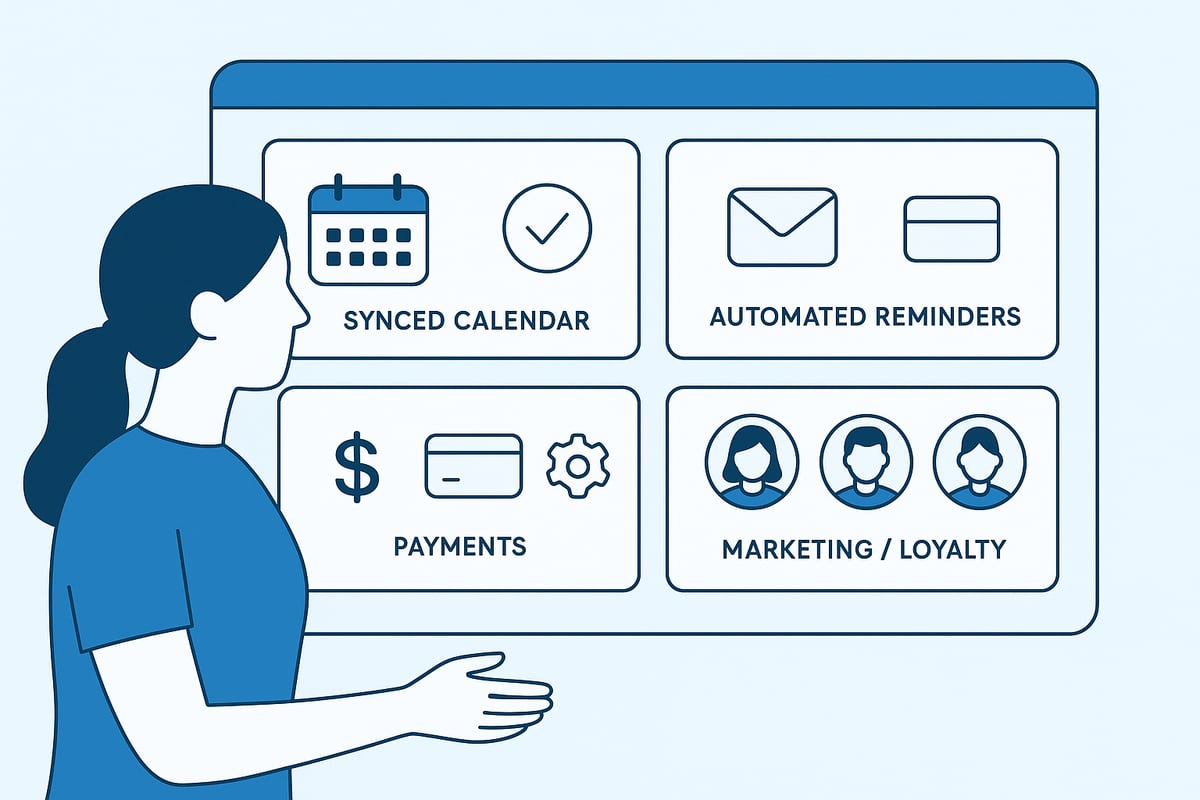
Real-time calendar sync is at the core of effective application scheduling. It prevents double-booking by updating availability instantly across all devices and platforms. Integration with Google Calendar and Apple Calendar ensures that both staff and clients see up-to-date time slots.
For salons with multiple locations, syncing schedules across branches is essential. This feature keeps teams coordinated and reduces errors. By leveraging application scheduling with real-time updates, salons can offer clients more reliable booking options.
Automated Reminders and Client Notifications
Automated reminders are a game-changer for reducing no-shows in application scheduling. SMS, email, and push notifications can be customized to send at optimal times before appointments. According to SimplyBook.me, automated reminders decrease no-show rates by 29 percent.
Customizable reminder sequences allow salons to tailor communication based on client preferences. This not only improves attendance but also enhances the overall client experience. Prompt, timely notifications build trust and reliability.
Online Payments and Deposits
Secure online payments and deposit handling are now standard in application scheduling systems. With integrated payment gateways, clients can pay or leave deposits during booking, which greatly reduces last-minute cancellations.
A Timely Salon Software report found that requiring deposits lowers cancellations by 40 percent. Upfront payments also streamline check-in processes, creating a seamless experience for both clients and staff.
Staff and Resource Management
Effective staff and resource management is a critical function of application scheduling. Assigning appointments based on each team member’s skills and real-time availability ensures optimal use of personnel.
Resource scheduling covers rooms and equipment, preventing overlaps and maximizing usage. For example, a spa might use this feature to optimize massage room assignments, cutting down on idle resources and boosting revenue.
Customizable Scheduling Rules and Policies
Every salon has unique needs, and customizable scheduling rules allow for tailored workflows. Application scheduling platforms let you set minimum and maximum booking times, buffer periods, and enforce cancellation policies.
Adapting to peak and off-peak pricing is also possible. Salons can create tiered booking windows for premium clients and adjust policies as business evolves. A checklist of essential rules makes managing complex schedules easier.
Integration with Marketing and Loyalty Programs
Top-tier application scheduling solutions integrate seamlessly with marketing and loyalty programs. This enables salons to link bookings with promotions, packages, and rewards, driving client engagement.
Upselling opportunities can be built into the booking flow, allowing clients to add services or buy packages at checkout. For a detailed overview of these capabilities, visit the Salon Booking System Features page for practical examples of how integration boosts retention and revenue.
Step-by-Step Guide: Optimizing Your Salon’s Scheduling Workflow in 2026
Optimizing your salon’s workflow is essential for meeting the demands of modern clients and maximizing profitability. This step-by-step guide breaks down the process of refining application scheduling to ensure every appointment adds value to your business.
Step 1: Audit Your Current Scheduling Process
Begin by evaluating your existing approach to application scheduling. Identify where bottlenecks occur, such as frequent double-bookings or high no-show rates. Gather feedback from both staff and clients, as their insights often reveal overlooked issues. Review analytics from your current system to benchmark performance, including appointment lead times and fill rates.
- List no-show percentages
- Note manual vs. automated tasks
- Collect client feedback on booking experience
Use this information to create a baseline for improvement.
Step 2: Select the Right Scheduling Solution
Choosing the best platform for application scheduling is critical. Compare features like calendar sync, automated reminders, online payments, and integration with marketing tools. Assess scalability for future growth and compatibility with your service mix. Consult trusted industry reviews and resources such as the Beauty Booking System Guide to see which solutions align with your needs.
- Evaluate ease of use for staff and clients
- Check reporting and analytics capabilities
- Ensure compliance with privacy regulations
Prioritize systems that can adapt as your salon evolves.
Step 3: Configure Scheduling Rules and Preferences
Once your application scheduling platform is in place, set up staff availability, service durations, and buffer times between appointments. Clearly define cancellation and rescheduling policies, including deposit requirements for high-demand slots. Consider implementing tiered booking windows for VIP or loyal clients, offering them early access to preferred times.
- Set minimum and maximum booking windows
- Define peak and off-peak pricing
- Establish automated waitlist rules
These configurations reduce errors and support a seamless client experience.
Step 4: Train Your Team and Communicate Changes
Proper onboarding ensures your team is confident with new application scheduling workflows. Hold hands-on training sessions covering system features and best practices. Prepare client-facing guides and FAQs to address common questions. Communicate all changes clearly, emphasizing benefits like reduced admin workload and better client service.
- Host Q&A sessions for staff
- Share visual guides for clients
- Address concerns about technology adoption
Support from your team and clients is key to successful implementation.
Step 5: Automate Reminders and Client Communications
Set up personalized notifications for appointment confirmations, reminders, and follow-ups. Use templates to streamline rebooking and upselling messages. Automated reminders via SMS or email can significantly reduce no-shows and improve communication consistency.
- Customize timing and frequency of reminders
- Include links for easy rescheduling
- Track client responses to measure engagement
This automation helps keep your calendar full and clients informed.
Step 6: Monitor Performance and Optimize
Track key performance indicators such as booking rates, no-shows, and client retention. Use dashboard insights to run A B tests on scheduling policies and communication strategies. For inspiration, explore Examples of Booking Systems to see how other salons refine their workflows for maximum efficiency.
- Review reports monthly
- Adjust policies based on data
- Celebrate improvements with your team
Continuous optimization drives long-term results.
Step 7: Leverage Scheduling Data for Growth
Analyze application data to spot high-value clients and peak booking times. Plan targeted marketing campaigns to fill slow periods or promote new services. Use insights from your scheduling platform to create tailored offers that boost loyalty and revenue.
- Identify trends by service category
- Launch midweek promotions
- Reward top clients with exclusive deals
This data-driven approach ensures your salon stays ahead in a competitive market.
The Role of Online Booking Systems in Salon Success
Online booking systems are transforming the way salons manage application scheduling. These tools offer clients unmatched convenience, while helping salon owners streamline every aspect of their business. By embracing technology, salons are meeting the modern demands of efficiency, flexibility, and exceptional customer service.
How Online Booking Transforms Client Experience
Application scheduling has evolved into a client-centric process. Clients now expect instant confirmations and 24/7 access to book their appointments. According to the Zenoti survey on AI and booking trends, 65% of salon clients prefer self-service booking, with many valuing the flexibility of scheduling outside standard hours. Salons can now capture more bookings through social media, websites, and mobile apps, increasing client satisfaction and drawing in new business.
Streamlining Operations and Reducing Admin Work
Online booking systems automate time-consuming tasks, reducing the administrative workload for salon staff. Application scheduling software eliminates the need for endless phone calls and manual calendar updates, freeing up staff to focus on delivering premium services. Industry data shows that salons using digital schedulers save an average of six hours per week, allowing for more productive use of staff time and smoother day-to-day operations.
Enhancing Client Retention and Loyalty
Effective application scheduling does more than fill appointment slots, it nurtures ongoing client relationships. Automated birthday reminders, loyalty rewards, and seamless rebooking options keep clients engaged and returning. For example, spas using automated follow-up messages report a significant boost in repeat visits, as clients feel valued and are more likely to book their next appointment before leaving.
Salon Booking System: Simplifying Scheduling for Salons
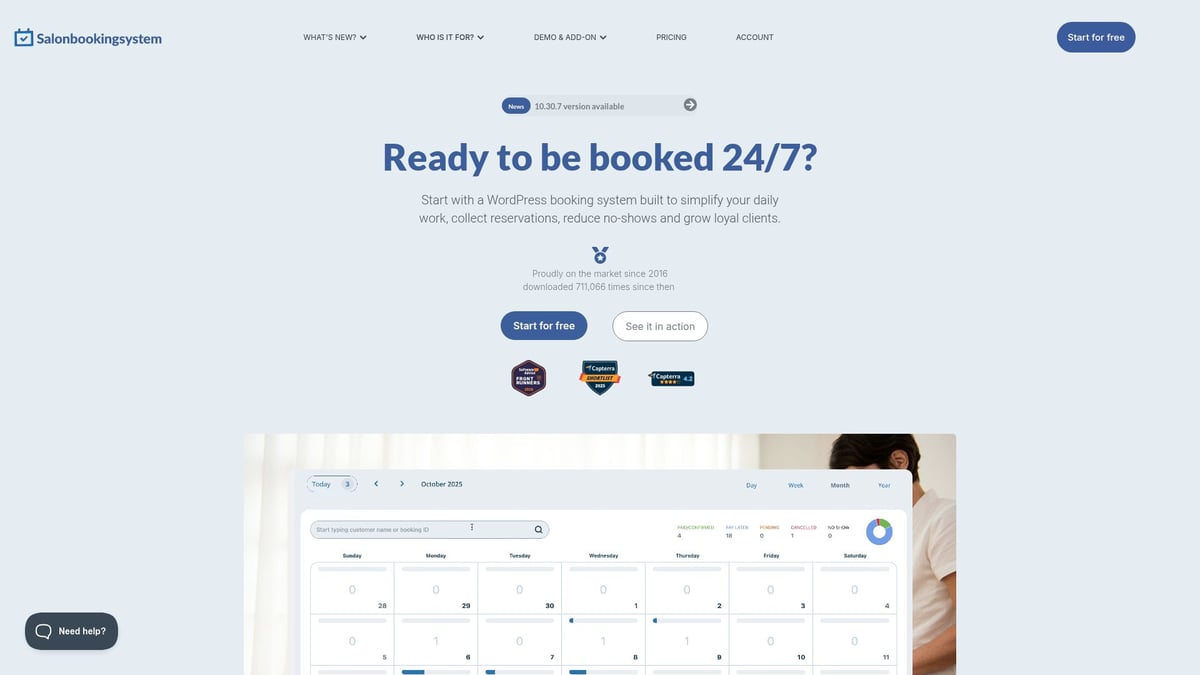
Salon Booking System is a comprehensive platform designed for salons and spas seeking efficient application scheduling. With features like real-time availability, customizable rules, and secure online payments, it helps reduce no-shows and improve client satisfaction. A recent case study revealed a salon increased its booking rates and client retention after implementing this system, highlighting the practical impact of modern scheduling solutions.
Future-Proofing Your Salon with Technology
Staying ahead in the salon industry requires ongoing investment in technology. Regularly updating your application scheduling tools and training your team ensures your business remains competitive and adaptable. A quick checklist for 2026 includes adopting cloud-based booking systems, integrating marketing features, and maintaining robust data security measures to support sustainable growth.
As you’ve seen throughout this guide, mastering application scheduling is essential for running a successful, future-ready salon in 2026. Whether you’re looking to reduce no shows, streamline your team’s workflow, or offer clients the seamless booking experience they expect, adopting the right technology can make all the difference. I encourage you to explore how a comprehensive, user friendly solution can transform your business and help you stay ahead of industry trends. Ready to see the benefits for yourself? Start for free and discover how effortless scheduling can elevate your salon’s success.