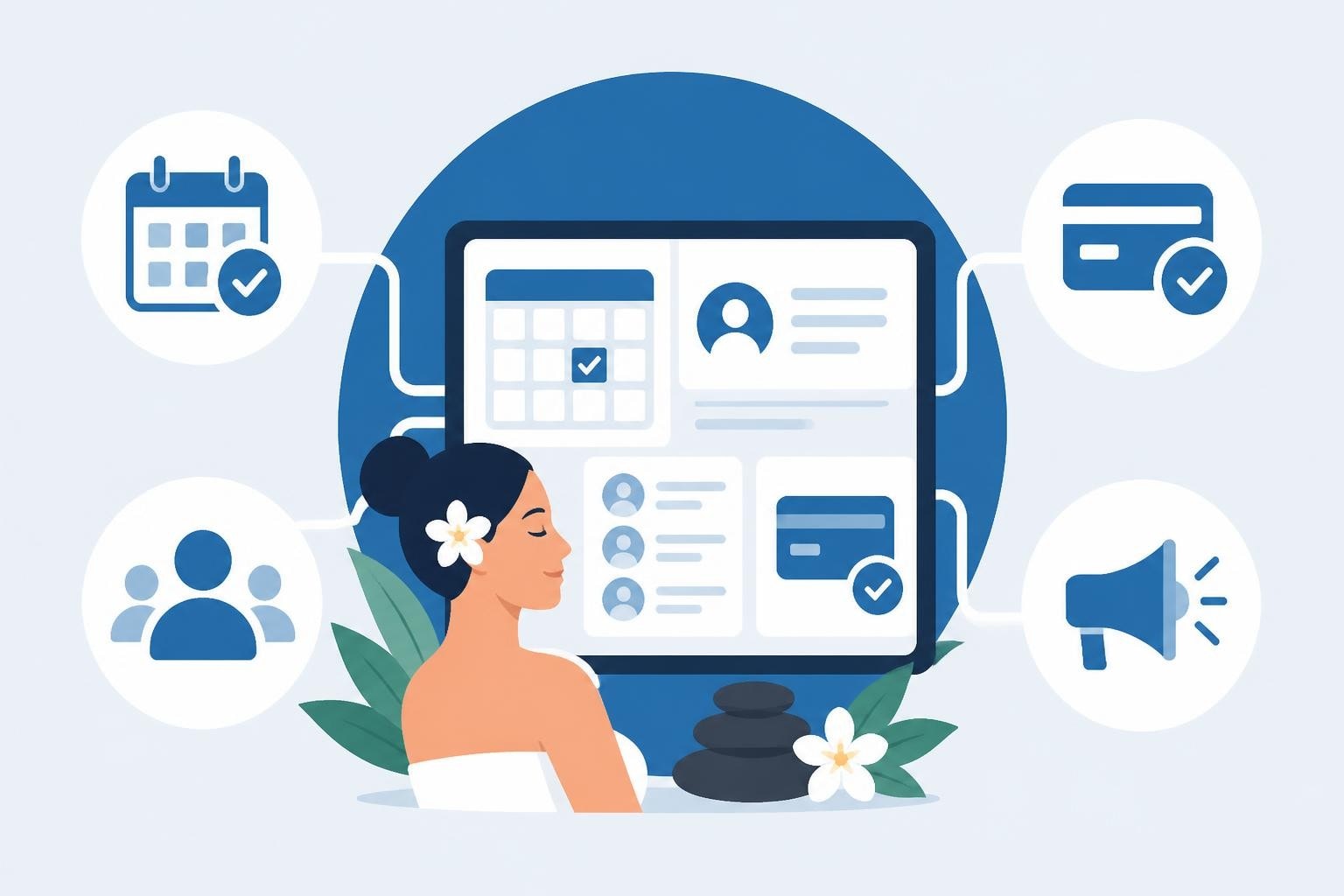
The wellness industry has undergone a digital transformation, with technology becoming essential for managing day-to-day operations efficiently. For spa owners and managers, the right spa software can mean the difference between struggling with manual processes and running a streamlined, profitable business. Modern solutions integrate appointment scheduling, client relationship management, payment processing, inventory tracking, and marketing automation into a single platform. This comprehensive guide explores the critical features, measurable benefits, and selection criteria for spa software that drives business growth.
Understanding the Spa Software Market Landscape
The global spa software market is experiencing significant growth, driven by increasing digitization in the wellness sector and rising consumer expectations for seamless booking experiences. Industry projections indicate the market will expand substantially through 2032, reflecting the accelerating adoption of digital management tools across spas of all sizes.
Market Drivers and Adoption Trends
Several factors contribute to the widespread adoption of spa software:
- Consumer preference for online booking: 67% of spa clients prefer booking appointments online rather than calling
- Labor efficiency: Automated scheduling reduces administrative time by up to 40%
- Revenue optimization: Integrated payment processing and inventory management minimize revenue leakage
- Client retention: Automated reminders and personalized marketing improve retention rates by 25-35%
According to detailed market forecasts, the shift toward cloud-based deployment models has accelerated, with SaaS solutions now representing the majority of new implementations. This transition reflects spa owners' desire for accessibility, automatic updates, and reduced IT overhead.
Technology Components Reshaping Spa Operations
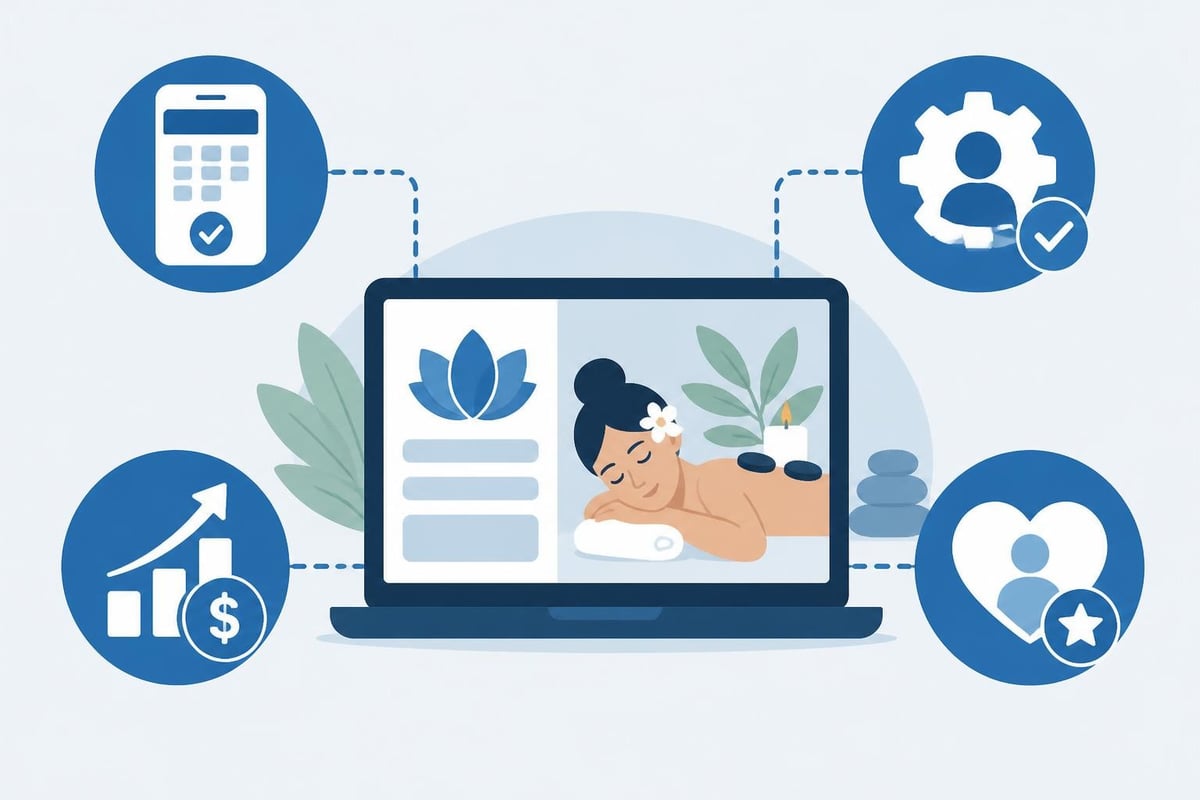
Modern spa software encompasses several interconnected technology components:
| Component | Primary Function | Business Impact |
|---|---|---|
| Scheduling Engine | Manages appointments, staff calendars, and resource allocation | Eliminates double-bookings, maximizes staff utilization |
| Client Database | Stores preferences, history, and contact information | Enables personalized service and targeted marketing |
| Payment Gateway | Processes transactions and manages financial records | Reduces cash handling, improves reconciliation |
| Marketing Automation | Sends campaigns, promotions, and reminders | Increases rebooking rates by 30-45% |
| Inventory Management | Tracks product stock and usage | Prevents stockouts, identifies bestsellers |
| Reporting Dashboard | Analyzes performance metrics and trends | Supports data-driven decision making |
Essential Features for Spa Management Success
Not all spa software delivers the same functionality or business value. Understanding which features directly impact your operational goals helps prioritize your selection criteria.
Appointment Scheduling and Calendar Management
The scheduling engine represents the core of any spa software. Advanced systems offer:
Intelligent booking rules that prevent scheduling conflicts by considering service duration, staff availability, room assignments, and equipment requirements. These automated rules eliminate the manual coordination that consumes staff time and creates booking errors.
Multi-location support for spa businesses with multiple sites, enabling centralized management while maintaining location-specific pricing, staff schedules, and service menus. This capability becomes critical as your business scales.
Waitlist management automatically fills cancellations by notifying clients on standby lists, recovering revenue that would otherwise be lost. Research shows that effective waitlist systems recover 15-20% of last-minute cancellation slots.
Client Relationship and Communication Tools
Building lasting client relationships requires systematic communication and personalized service delivery:
- Automated appointment reminders via SMS, email, or push notifications reduce no-show rates by 30-40%
- Client history tracking enables staff to reference previous services, preferences, and special requests
- Birthday and anniversary messages with special offers drive repeat bookings during celebratory occasions
- Feedback collection tools gather reviews and satisfaction scores immediately after services
The growth of spa management software reflects increasing recognition that client retention delivers higher ROI than new client acquisition. Software that facilitates relationship-building pays dividends through improved lifetime value.
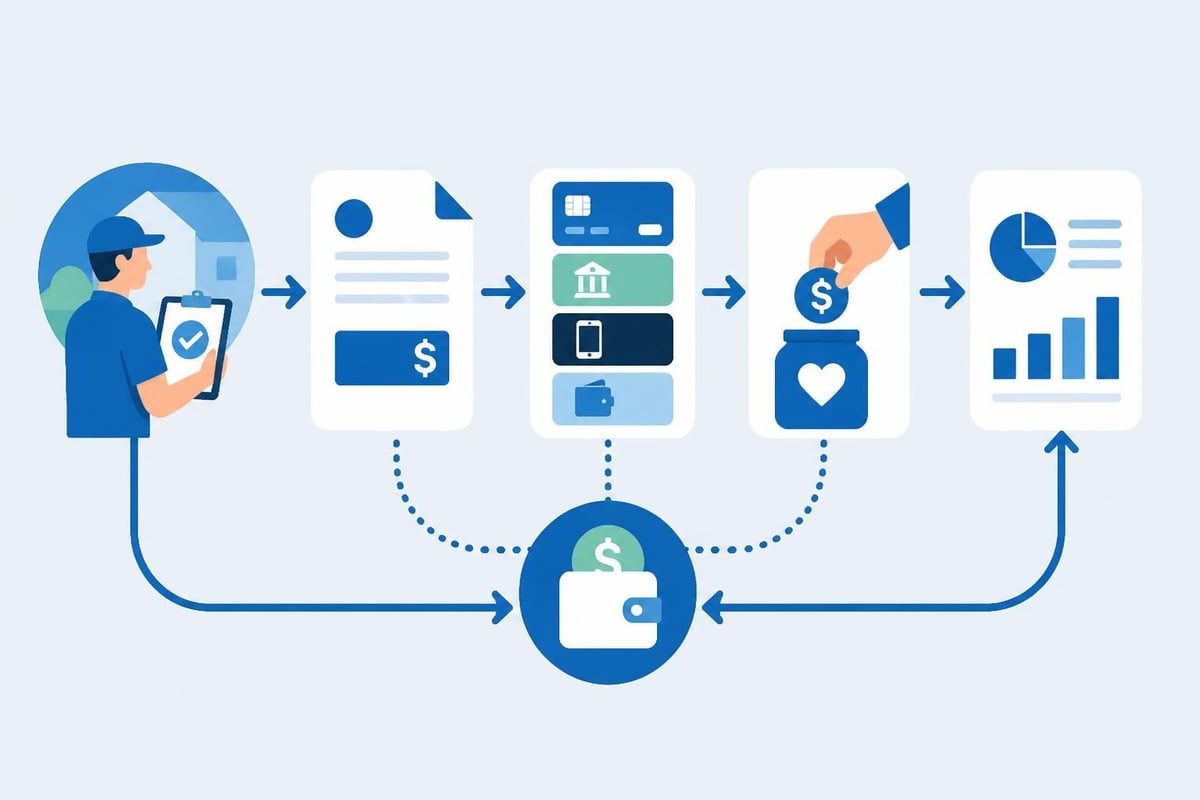
Payment Processing and Financial Management
Integrated payment systems streamline financial operations while improving the client experience:
Multiple payment method support including credit cards, digital wallets, gift cards, and membership credits provides flexibility that today's consumers expect. Limiting payment options creates friction that can cost bookings.
Automated invoicing generates itemized receipts, processes tips, and manages package depletion without manual intervention. This automation reduces errors and accelerates checkout.
Financial reporting consolidates revenue by service category, staff member, time period, and payment method. These insights reveal profitability patterns and guide strategic pricing decisions.
Measuring Return on Investment
Spa software represents a business investment that should deliver measurable returns. Understanding the specific financial impacts helps justify the expense and set performance expectations.
Quantifiable Business Improvements
| Metric | Typical Improvement | Annual Value (for $500K revenue spa) |
|---|---|---|
| No-show reduction | 30-40% decrease | $15,000-$20,000 |
| Administrative time savings | 15-20 hours/week | $18,000-$24,000 |
| Increased booking capacity | 10-15% improvement | $50,000-$75,000 |
| Retail product sales | 20-25% increase | $10,000-$12,500 |
| Client retention improvement | 5-10% increase | $25,000-$50,000 |
These figures demonstrate that even modest operational improvements generate returns that far exceed software costs. A comprehensive spa software solution typically pays for itself within 3-6 months through efficiency gains and revenue optimization.
Time-to-Value Considerations
Implementation speed varies based on business complexity and software capabilities:
- Initial setup (1-2 weeks): Configure services, pricing, staff schedules, and room assignments
- Data migration (3-5 days): Import existing client records, appointment history, and inventory
- Staff training (1 week): Familiarize team members with booking processes, client lookup, and reporting
- Client transition (2-4 weeks): Communicate new booking options and encourage online adoption
- Optimization (ongoing): Refine workflows, adjust automated messages, and leverage advanced features
Cloud-Based vs. On-Premise Deployment
The deployment model significantly impacts accessibility, cost structure, and maintenance requirements.
Cloud-Based Advantages
Cloud-based spa software delivers several operational benefits:
Accessibility from anywhere enables staff to check schedules, book appointments, and access client information from any internet-connected device. This flexibility supports remote work and multi-location management.
Automatic updates ensure you always have the latest features and security patches without manual installation or system downtime. Vendors handle infrastructure maintenance, freeing your team to focus on clients.
Predictable costs through subscription pricing eliminate large upfront investments and spread expenses across monthly or annual payments. This model improves cash flow management for growing businesses.
Built-in disaster recovery protects your data through automated backups and redundant storage. Cloud providers maintain enterprise-grade security that exceeds what most individual spas can implement.
When On-Premise Makes Sense
Despite cloud dominance, certain scenarios favor on-premise installations:
- Locations with unreliable internet connectivity where local access ensures uninterrupted operations
- Businesses with specific data sovereignty requirements or regulatory constraints
- Organizations with existing IT infrastructure and technical expertise to manage servers
- Spas preferring one-time licensing fees over recurring subscription costs
Market analysis indicates that cloud adoption continues to accelerate, with over 80% of new spa software implementations choosing SaaS models in 2026.
Integration Capabilities and Ecosystem Partnerships
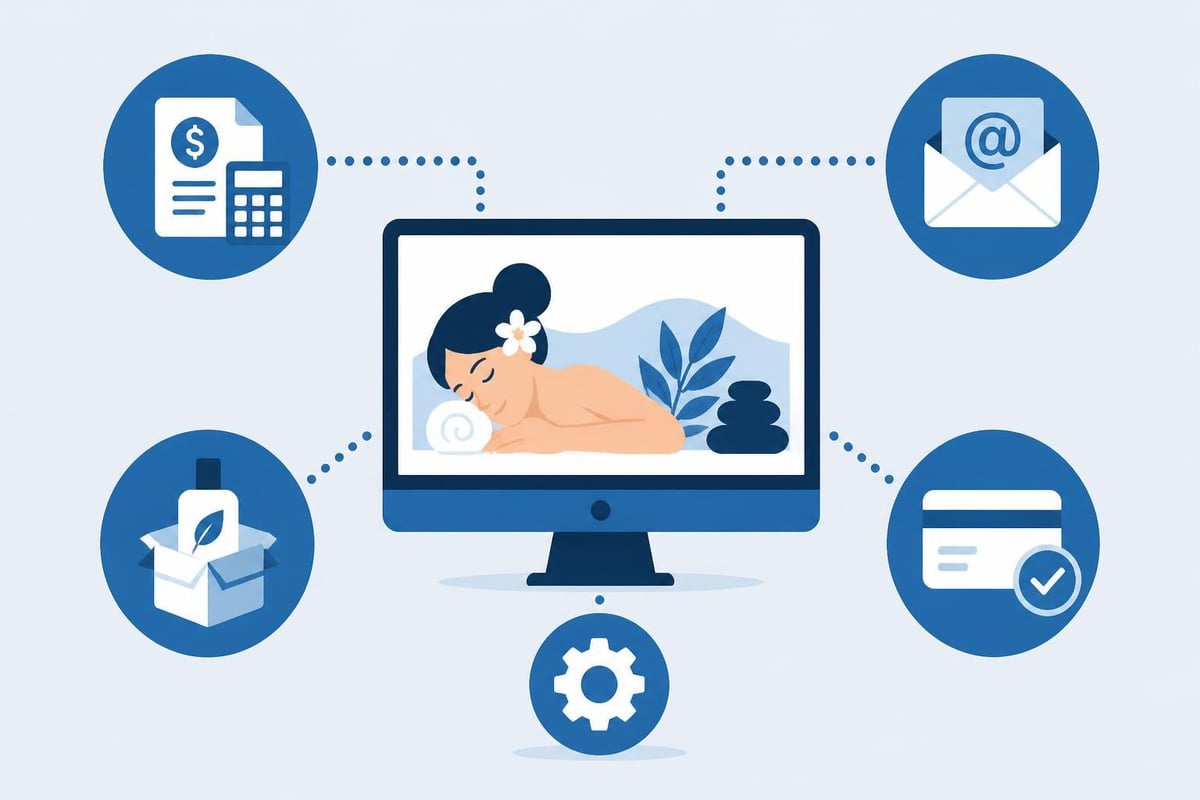
Spa software rarely operates in isolation. Integration with complementary tools amplifies functionality and eliminates redundant data entry.
Critical Integration Points
Accounting software connections sync revenue, expenses, and payroll data with platforms like QuickBooks or Xero, eliminating manual reconciliation and ensuring financial accuracy. This integration saves 5-10 hours monthly for businesses processing hundreds of transactions.
Marketing platform integration with email service providers enables sophisticated segmentation and campaign automation. Client data flows from your spa software to marketing tools, allowing targeted promotions based on service history, spending patterns, and booking frequency.
E-commerce connections link retail inventory between your spa management system and online stores. When clients purchase products during appointments, inventory automatically adjusts across all sales channels, preventing overselling.
For businesses operating in multi-channel environments, platforms like Talk Shop provide community-driven insights into integration strategies, helping spa owners leverage e-commerce platforms effectively alongside their core management systems.
Mobile Accessibility and Client-Facing Applications
Mobile functionality has transitioned from optional to essential as consumers increasingly manage their lives through smartphones.
Staff Mobile Applications
Mobile apps for spa staff enable:
- Real-time schedule access and appointment modifications from anywhere
- Client information lookup immediately before services
- Retail product sales processing at the point of interaction
- Break and availability management without accessing desktop systems
Staff mobile access improves responsiveness and enables service delivery flexibility that enhances the client experience.
Client Self-Service Portals
Consumer-facing applications empower clients to:
- Browse available appointments in real-time without phone calls
- Select preferred staff members based on availability and specialties
- Review service descriptions, durations, and pricing before booking
- Modify or cancel appointments within policy guidelines
- Purchase gift cards and prepaid service packages
According to industry growth forecasts, mobile-based booking platforms represent the fastest-growing segment, reflecting consumer preference for self-service convenience.
Security, Compliance, and Data Protection
Spa software stores sensitive client information, payment details, and business intelligence that requires robust protection.
Essential Security Features
Payment Card Industry (PCI) compliance ensures credit card processing meets industry security standards. Non-compliant systems expose your business to liability for data breaches and fraud.
Data encryption protects client information both in transit and at rest, preventing unauthorized access even if systems are compromised. Look for AES-256 encryption as the minimum standard.
Role-based access control limits which staff members can view financial reports, modify pricing, or access sensitive client information. Granular permissions reduce internal security risks.
Automated backups preserve business-critical data with recovery points allowing restoration after technical failures or security incidents. Verify backup frequency and test restoration procedures.
Privacy Regulation Considerations
Depending on your location and client base, various privacy regulations may apply:
- GDPR (Europe): Requires explicit consent for data collection and provides data portability rights
- CCPA (California): Grants consumers access to their data and opt-out rights
- HIPAA (Healthcare): May apply to medical spas providing clinical treatments
Select spa software with compliance features relevant to your regulatory environment, including consent management, data export capabilities, and audit trails.
Selection Criteria and Vendor Evaluation
Choosing spa software requires systematic evaluation across multiple dimensions beyond feature checklists.
Business-Specific Requirements Analysis
Start by documenting your operational needs:
Service complexity determines scheduling requirements. Multi-step treatments requiring specific rooms and equipment need more sophisticated resource management than basic services.
Staff size and specialization influences calendar management complexity. Larger teams with varied skill sets require intelligent booking rules that match client needs with appropriate providers.
Retail operations dictate inventory management depth. Spas with extensive product lines need barcode scanning, automatic reorder points, and supplier management features.
Growth trajectory affects scalability requirements. Businesses planning expansion need multi-location capabilities and user licensing that accommodates team growth without cost spikes.
Vendor Stability and Support Quality
Software effectiveness depends on vendor reliability:
| Evaluation Factor | What to Assess |
|---|---|
| Company longevity | Years in business, funding status, customer base size |
| Product roadmap | Planned features, release frequency, innovation commitment |
| Support availability | Hours, channels (phone/email/chat), response time guarantees |
| Training resources | Documentation quality, video tutorials, onboarding assistance |
| User community | Forums, user groups, knowledge sharing opportunities |
| Migration assistance | Data import tools, implementation support, transition planning |
Request customer references and review third-party ratings to validate vendor claims about reliability and service quality.
Pricing Models and Total Cost of Ownership
Spa software pricing varies significantly based on features, user count, and deployment model.
Common Pricing Structures
Per-user subscriptions charge monthly fees for each staff member accessing the system. This model scales with team size but can become expensive for larger operations. Typical pricing ranges from $25-$75 per user monthly.
Per-location pricing establishes flat rates for each business location, regardless of staff count. This approach benefits multi-practitioner spas with numerous employees. Monthly fees typically range from $100-$500 per location.
Transaction-based pricing charges percentages (usually 1-3%) of payment processing volume. This model aligns vendor revenue with your business growth but can become costly at higher transaction volumes.
Tiered plans offer feature sets at different price points, allowing businesses to select functionality matching their needs and budget. Entry-level plans start around $50-$100 monthly, while comprehensive enterprise solutions exceed $500 monthly.
Hidden Costs to Consider
Beyond base subscription fees, account for:
- Implementation and data migration services ($500-$2,000)
- Staff training beyond basic onboarding ($200-$1,000)
- Premium support plans or dedicated account management
- Payment processing fees separate from software subscription
- Hardware requirements (tablets, card readers, label printers)
- Integration fees for connecting third-party tools
Calculate total cost of ownership over 24-36 months to compare options accurately.
Implementation Best Practices
Successful spa software adoption requires structured implementation and change management.
Pre-Implementation Preparation
Before system launch:
- Audit existing processes to document current workflows, pain points, and desired improvements
- Clean data by removing duplicate client records, updating contact information, and standardizing service names
- Define success metrics establishing baseline performance for no-show rates, booking capacity, and administrative time
- Assign implementation team with representatives from front desk, treatment staff, and management
- Communicate timeline to staff and clients explaining changes and benefits
Phased Rollout Strategy
Gradual implementation reduces disruption:
Phase 1 (Week 1-2): Configure system settings, import client data, and set up service menu with accurate pricing and durations.
Phase 2 (Week 3): Train staff on core functions including appointment booking, client lookup, and service checkout.
Phase 3 (Week 4): Launch online booking for new appointments while managing existing bookings through legacy processes.
Phase 4 (Week 5-6): Migrate all scheduling to new system and activate automated reminders and marketing features.
Phase 5 (Week 7+): Optimize workflows based on staff feedback and enable advanced features like waitlists and packages.
This measured approach allows staff to build confidence with basic functionality before adding complexity.
Advanced Features for Competitive Advantage
Beyond core scheduling and payment processing, sophisticated spa software offers capabilities that differentiate your business.
Membership and Package Management
Recurring revenue through memberships provides financial stability and improves client retention. Advanced spa software automates:
- Membership billing with automatic renewal processing
- Usage tracking showing remaining services in packages
- Expiration management with automated renewal reminders
- Tiered membership levels with different pricing and benefits
Spas implementing membership programs typically see 35-50% of revenue shift to recurring models within 18 months, creating more predictable cash flow.
Dynamic Pricing and Yield Management
Sophisticated systems adjust pricing based on demand patterns:
Time-based pricing offers discounts during slower periods to fill capacity, similar to airline revenue management. Early morning or weekday appointments might discount 10-15% to shift demand from peak weekend slots.
Last-minute deals fill gaps in schedules by offering reduced rates on same-day availability through automated notifications to clients in specific segments.
Seasonal adjustments modify pricing for high-demand periods like holidays or wedding season, capturing additional revenue when demand exceeds capacity.
Staff Performance Analytics
Detailed reporting reveals individual and team performance patterns:
- Service revenue by provider showing top performers and training opportunities
- Product attachment rates indicating which staff members effectively recommend retail items
- Utilization percentages revealing scheduling efficiency and capacity constraints
- Client satisfaction scores enabling recognition and performance improvement conversations
This data transforms subjective management decisions into objective, metrics-driven strategy.
Future Trends Shaping Spa Software Evolution
The spa and salon software market continues evolving as technology advances and consumer expectations shift.
Artificial Intelligence Integration
AI capabilities emerging in spa software include:
- Predictive scheduling that suggests optimal appointment times based on historical client booking patterns
- Personalized service recommendations using treatment history and preferences to suggest relevant add-ons
- Automated marketing optimization testing message timing and content to maximize engagement
- Chatbot booking assistants handling routine scheduling requests through natural language conversations
Contactless and Safety Features
Post-pandemic operational changes have become permanent:
- Digital intake forms eliminating clipboard paperwork through online health questionnaires
- Contactless check-in using QR codes or mobile apps to confirm arrival
- Capacity management tracking occupancy limits and spacing requirements
- Equipment sanitization tracking documenting cleaning procedures for regulatory compliance
Omnichannel Client Experience
Modern consumers expect consistent experiences across touchpoints:
Unified profiles that track client interactions across booking channels, purchase history, and communication preferences enable personalized service regardless of contact point.
Cross-platform booking allowing appointment scheduling through websites, mobile apps, social media, and voice assistants meets clients where they are.
Integrated loyalty programs that recognize and reward engagement across all channels, from service appointments to retail purchases and social media referrals.
Selecting the right spa software requires balancing immediate operational needs with long-term business goals, evaluating both feature sets and vendor reliability. The technology you choose becomes the operational foundation supporting client satisfaction, staff efficiency, and business growth. Salon Booking System delivers comprehensive scheduling capabilities, online payment processing, and client communication tools designed specifically for salons, spas, and wellness businesses. Since 2016, our platform has helped businesses streamline operations and enhance customer satisfaction through intuitive, reliable appointment management.