The salon and beauty industry has undergone significant digital transformation over the past decade, with appointment scheduling emerging as a critical operational component. A salon reservation system has evolved from a simple luxury to an essential business tool that directly impacts client satisfaction, revenue optimization, and operational efficiency. According to recent market analysis, the online reservation system market continues to expand rapidly, driven by consumer demand for immediate booking capabilities and the increasing digitalization of service-based businesses. For salon owners, hairdressers, barbers, and spa managers in 2026, implementing an effective reservation system represents not just keeping pace with competitors, but creating a foundation for sustainable growth.
Why Traditional Appointment Books No Longer Work
The traditional paper appointment book method creates numerous inefficiencies that directly impact your bottom line. Manual booking processes require constant phone availability, leading to missed calls during busy service periods. Each missed call represents potential revenue loss, with industry data suggesting that salons lose approximately 15-20% of potential bookings through unavailable phone lines.
Double bookings represent another critical challenge. When multiple staff members access the same physical book, scheduling conflicts become inevitable. These errors damage client relationships and create operational chaos during peak hours.
Key limitations of manual booking systems include:
- No 24/7 booking availability for clients
- Inability to send automated appointment reminders
- Lack of client history and preference tracking
- Time-consuming rescheduling processes
- No integration with payment processing
- Limited reporting and analytics capabilities
Manual systems also prevent effective resource allocation. Without data-driven insights into booking patterns, salon owners struggle to optimize staffing schedules, leading to either overstaffing during slow periods or understaffing during peak demand.
Core Features Every Salon Reservation System Must Have
Real-Time Availability Management
A robust salon reservation system provides instant visibility into stylist schedules, treatment room availability, and service duration requirements. This functionality ensures clients see only genuinely available time slots, eliminating the frustration of requesting appointments that cannot be accommodated.
The system should automatically account for service duration, buffer times between appointments, and stylist-specific availability. Advanced platforms allow you to set complex scheduling rules, such as blocking specific services during certain hours or ensuring adequate time for setup and cleanup.
Automated Client Communication
Effective communication reduces no-shows and improves client satisfaction. Your salon reservation system should automatically send:
- Booking confirmation messages immediately after reservation
- Reminder notifications 24-48 hours before appointments
- Follow-up messages requesting feedback or encouraging rebooking
- Promotional communications for special offers or new services
- Cancellation confirmations with rebooking suggestions
Research published in academic studies on reservation systems demonstrates that automated reminders can reduce no-show rates by up to 30%, directly improving revenue stability and resource utilization.
Online Payment Integration
Modern clients expect seamless payment experiences. Integrating payment processing within your booking system offers multiple benefits, as highlighted in recent salon booking software trends analysis. Processing deposits during booking secures appointments and reduces cancellations, while enabling contactless checkout improves service flow.
| Payment Feature | Business Benefit | Client Benefit |
|---|---|---|
| Advance deposits | Reduced no-shows (40-60% decrease) | Commitment confirmation |
| Stored payment methods | Faster checkout process | Convenient rebooking |
| Digital receipts | Automated record keeping | Easy expense tracking |
| Package prepayment | Improved cash flow | Discounted pricing |
Client Profile Management
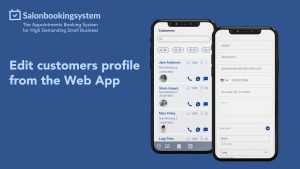
Comprehensive client data transforms service delivery. Your system should maintain detailed profiles including service history, product preferences, allergies or sensitivities, and preferred stylists. This information enables personalized experiences that build loyalty and encourage repeat bookings.
Advanced systems track spending patterns, visit frequency, and service combinations, allowing you to identify your most valuable clients and create targeted retention strategies.
How a Salon Reservation System Reduces No-Shows
No-shows represent one of the most significant revenue challenges for salon businesses, with industry estimates suggesting they cost salons between 10-15% of potential revenue annually. Implementing an easy booking system specifically addresses this challenge through multiple mechanisms.
Deposit Requirements and Cancellation Policies
Digital booking platforms enable you to collect deposits or prepayments during reservation. This financial commitment significantly increases appointment adherence. Most systems allow you to configure:
- Percentage-based deposits (typically 25-50% of service cost)
- Full prepayment for packages or extended services
- Different deposit requirements based on service type
- Automated refund processing for timely cancellations
Clear cancellation policies integrated into the booking flow ensure clients understand expectations before confirming appointments. The system can enforce minimum cancellation notice periods and automatically apply fees when violated.
Strategic Reminder Sequences
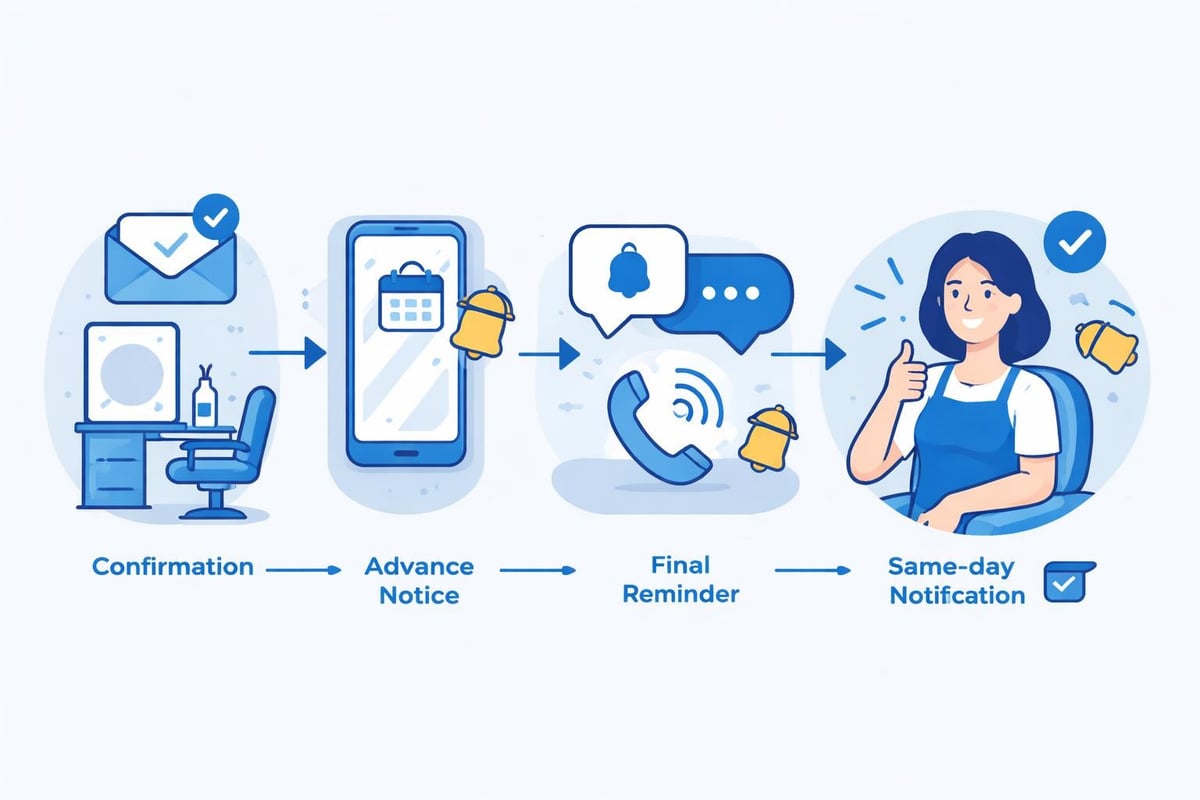
Effective reminder strategies involve multiple touchpoints through different communication channels. A sophisticated salon reservation system automates this process:
Optimal reminder schedule:
- Immediate confirmation (SMS and email)
- Seven-day advance notice for longer appointments
- 48-hour reminder with service details
- 24-hour final reminder with cancellation deadline
- Two-hour courtesy reminder on appointment day
Different client segments may respond better to specific reminder timing or channels. Your system should allow customization based on client preferences and historical behavior patterns.
Optimizing Revenue Through Intelligent Scheduling
Beyond basic appointment management, a sophisticated salon reservation system functions as a revenue optimization tool. The future of salon booking emphasizes intelligent scheduling that maximizes both stylist productivity and client satisfaction.
Dynamic Service Bundling
Your booking interface should suggest complementary services during the reservation process. When a client books a haircut, the system can recommend color treatments, deep conditioning, or styling services. This strategic upselling increases average ticket values without requiring staff intervention.
Data-driven recommendations based on client history and popular service combinations prove more effective than random suggestions. Track which bundles convert successfully and refine your offerings accordingly.
Peak Time Pricing and Demand Management
Advanced systems support dynamic pricing strategies that balance demand across your schedule. Consider implementing:
- Premium pricing for highly sought-after time slots (Saturday mornings, pre-event periods)
- Discount incentives for traditionally slow periods (Tuesday mornings, late weekday afternoons)
- Early booking discounts to improve schedule predictability
- Loyalty program pricing for frequent clients
This approach maximizes revenue during peak periods while maintaining steady booking flow during slower times, optimizing overall capacity utilization.
Waitlist Management
When desirable appointment slots fill, a robust waitlist system captures potential revenue that would otherwise disappear. Clients can join waitlists for specific dates, times, or stylists, and the system automatically notifies them when openings occur due to cancellations.
Effective waitlist features include:
- Automatic notification when preferred slots become available
- Priority ordering based on waitlist join time or client value
- Time-limited acceptance windows to quickly fill cancellations
- Integration with your cancellation policy to minimize disruption
Selecting the Right Salon Reservation System for Your Business
Evaluating Feature Requirements
Different salon types require different functionality. A single-chair barbershop needs simpler scheduling than a full-service day spa with multiple treatment rooms and varied services. Begin by documenting your specific requirements:
For small salons (1-3 stylists):
- Basic online booking with stylist selection
- Automated reminders and confirmations
- Simple payment processing
- Mobile accessibility
- Client management basics
For medium salons (4-10 stylists):
- Advanced scheduling rules and resource management
- Package and membership handling
- Detailed reporting and analytics
- Marketing automation capabilities
- Multi-location support (if applicable)
For large salons and spas (10+ staff):
- Complex resource allocation (rooms, equipment, specialists)
- Sophisticated inventory management
- Employee commission tracking
- Advanced analytics and forecasting
- Custom integration capabilities
Integration Considerations
Your salon reservation system should connect seamlessly with other business tools. According to salon management trends for 2026, integrated platforms that centralize operations provide significant efficiency advantages.
| Integration Type | Purpose | Impact |
|---|---|---|
| Payment processors | Secure transaction handling | Faster checkout, reduced errors |
| Accounting software | Financial record keeping | Automated reconciliation, tax compliance |
| Marketing platforms | Email and SMS campaigns | Targeted promotions, better ROI |
| Point of sale systems | Retail product sales | Unified inventory, comprehensive reporting |
| Social media | Extended booking reach | Increased visibility, more bookings |
Mobile Accessibility and User Experience
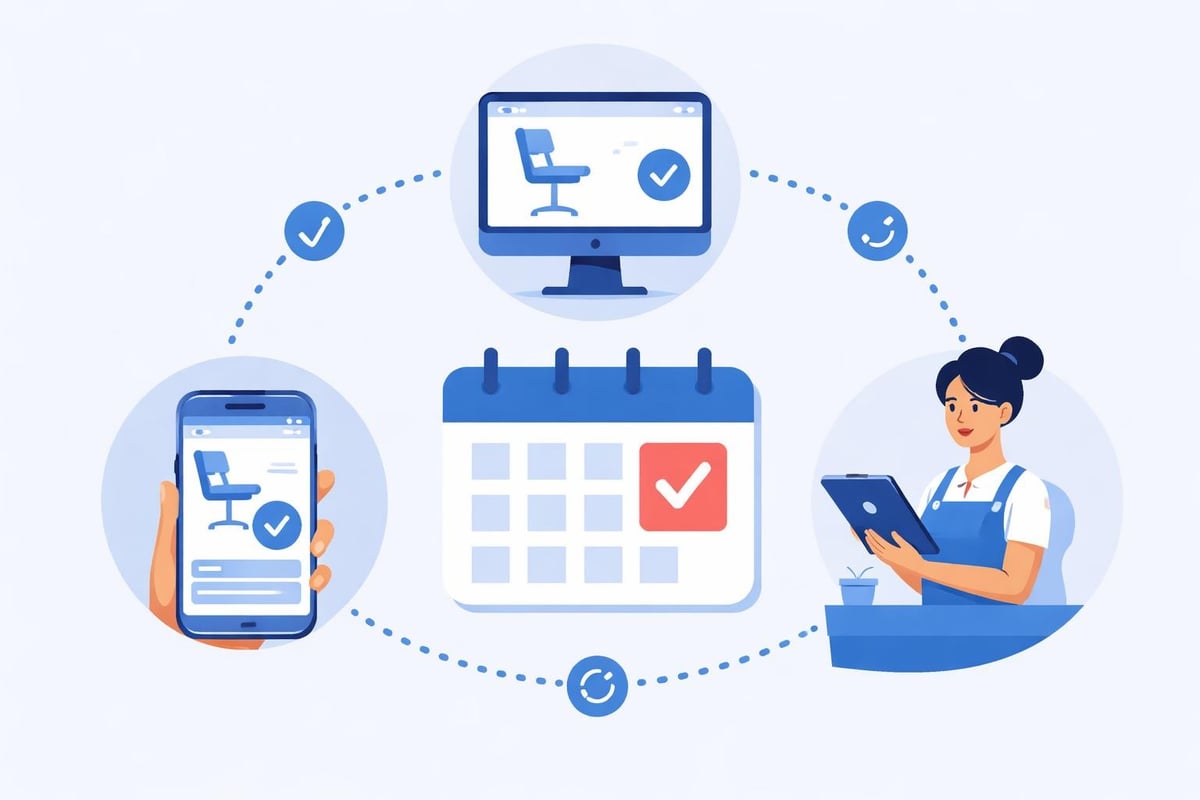
Both staff and clients increasingly rely on mobile devices. Your chosen system must provide fully functional mobile experiences, not merely responsive desktop versions adapted for smaller screens.
Staff mobile apps should enable schedule viewing, client check-in, service notes, and basic booking modifications. Client-facing mobile booking should match the simplicity and speed of popular consumer apps, with minimal steps between landing and confirmation.
The most effective systems maintain consistent functionality across desktop, tablet, and smartphone interfaces while optimizing each for its specific use context.
Implementation Strategy for Maximum Adoption
Staff Training and Change Management
Technology adoption fails when staff resist new processes. Successful implementation requires comprehensive training and clear communication about benefits. Emphasize how the salon reservation system reduces their administrative burden, eliminates scheduling conflicts, and provides better client information.
Effective training approach:
- Conduct hands-on sessions before public launch
- Create quick-reference guides for common tasks
- Designate system champions among staff
- Schedule follow-up training sessions after initial implementation
- Establish clear protocols for handling system issues
Address concerns directly and involve staff in configuration decisions, particularly regarding scheduling rules and client communication preferences.
Client Migration and Communication
Transitioning existing clients to online booking requires thoughtful communication. Many loyal clients appreciate traditional phone booking and may resist change. Frame the new system as additional convenience, not replacement of existing options.
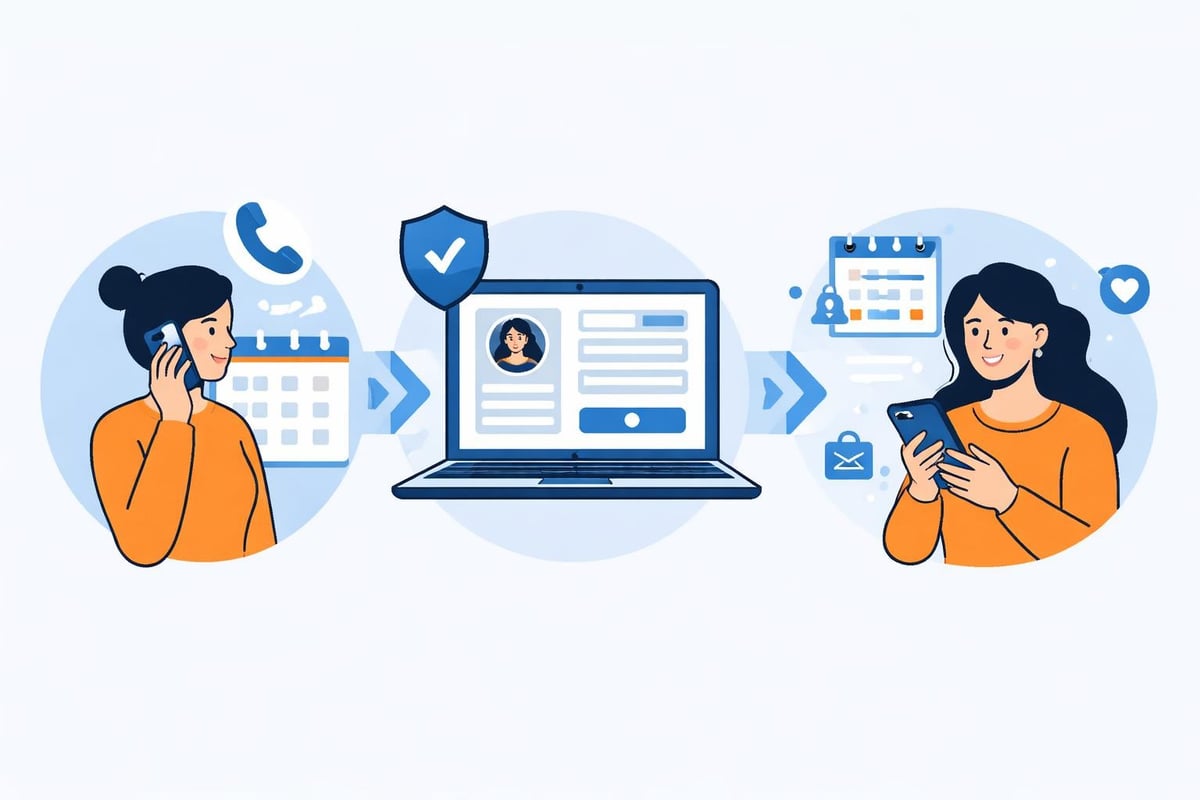
Migration best practices:
- Maintain phone booking availability during transition period
- Send educational communications explaining new booking options
- Offer incentives for first online bookings (small discounts, loyalty points)
- Provide in-salon assistance for clients unfamiliar with digital booking
- Gradually phase out less efficient booking channels over 3-6 months
Track adoption rates across different client segments to identify groups requiring additional support or alternative approaches.
Measuring Success and Continuous Improvement
Key Performance Indicators
Your salon reservation system generates valuable data for business optimization. Monitor these critical metrics monthly:
Operational efficiency metrics:
- Online booking percentage (target: 60-80% of total bookings)
- Average time between booking and appointment
- No-show rate (aim for less than 5%)
- Cancellation rate with adequate notice
- Average booking value
Client experience metrics:
- New client acquisition through online booking
- Returning client percentage
- Client lifetime value trends
- Booking abandonment rate
- Review and satisfaction scores
Revenue optimization metrics:
- Service bundling conversion rate
- Peak vs. off-peak utilization rates
- Stylist productivity (appointments per shift)
- Revenue per available hour
- Deposit collection percentage
Data-Driven Decision Making
The insights from modern salon technology trends demonstrate how data transforms business strategy. Regular analysis of booking patterns reveals opportunities for menu adjustments, pricing optimization, and marketing focus.
Identify which services generate highest margins, which time slots remain underutilized, and which client segments provide greatest lifetime value. Use this information to refine your service offerings, adjust staffing levels, and target marketing investments effectively.
Monthly performance reviews should compare current metrics against historical data and industry benchmarks, establishing clear improvement goals for the following period.
Advanced Features Driving Competitive Advantage
Personalization and Client Preferences
Sophisticated salon reservation systems enable highly personalized experiences that differentiate your business. Beyond basic service history, advanced platforms track:
- Preferred product formulations and brands
- Consultation notes and style preferences
- Sensitivity information and contraindications
- Special occasion reminders (birthdays, weddings)
- Communication channel preferences
This detailed information allows stylists to prepare appropriately before appointments and creates experiences that feel customized rather than transactional.
Membership and Package Management
Recurring revenue through memberships and service packages provides financial stability while encouraging client loyalty. Your booking system should handle:
- Automated membership renewals and payment processing
- Package credit tracking and expiration management
- Priority booking for members
- Tiered membership levels with different benefits
- Easy redemption at booking and checkout
Clients appreciate the convenience and value of prepaid services, while salons benefit from predictable cash flow and increased visit frequency.
Marketing Automation Integration
The most powerful salon reservation systems include or integrate with marketing automation platforms. This functionality enables:
- Automated rebooking campaigns triggered by appointment completion
- Targeted promotions based on service history and preferences
- Win-back campaigns for clients with declining visit frequency
- Birthday and special occasion communications
- Referral program management and tracking
These automated workflows maintain client engagement between visits and drive rebooking without requiring manual staff effort.
Security and Compliance Considerations
Data Protection Requirements
Your salon reservation system stores sensitive client information, including contact details, payment data, and personal preferences. Ensure your chosen platform implements robust security measures:
- Encrypted data transmission (SSL/TLS)
- Secure payment processing compliance (PCI DSS)
- Regular security audits and updates
- Role-based access controls for staff
- Secure backup and disaster recovery procedures
Verify that the provider maintains appropriate data protection certifications and clearly documents their security practices.
Privacy Policy and Client Consent
Transparent communication about data usage builds trust and ensures regulatory compliance. Your booking system should:
- Present clear privacy policies during registration
- Obtain explicit consent for marketing communications
- Provide easy opt-out mechanisms
- Allow clients to review and update their information
- Support data deletion requests as required by privacy regulations
Maintain compliance with applicable privacy laws in your jurisdiction, which may include specific requirements for client data handling and retention.
Implementing a robust salon reservation system addresses fundamental operational challenges while creating opportunities for revenue growth and enhanced client experiences. The right platform streamlines scheduling, reduces no-shows through automated communication, and provides data-driven insights that inform strategic business decisions. Salon Booking System offers comprehensive appointment scheduling features including online payments, customer notifications, and advanced scheduling rules designed specifically for salons and beauty professionals. Since 2016, the platform has helped countless salon owners transform their booking processes and build more successful businesses through efficient, client-focused technology.