In 2026, data is the backbone of every thriving salon, shaping how professionals deliver standout client experiences and outpace the competition. Effective salon database management unlocks the power to streamline appointments, personalize services, and make smarter business decisions.
This essential guide gives salon owners and professionals the tools to master their data, covering why robust database management matters, what features to look for, and actionable steps to future-proof your business. Learn how to overcome common challenges, safeguard client information, and harness the latest trends to stay ahead in a rapidly evolving industry.
The Importance of Salon Database Management in 2026
Evolving Salon Business Landscape
The salon industry in 2026 is shaped by rapid digital transformation. More businesses are shifting to digital-first operations, responding to clients who now expect seamless, tech-enabled experiences at every touchpoint.
Competition is intensifying, making differentiation essential. Salons that leverage a salon database can use insights to personalize services and boost rebooking rates. For example, tracking client preferences enables tailored recommendations that keep customers coming back.
Core Benefits of Robust Database Management
A modern salon database streamlines appointment scheduling, reducing manual errors and double bookings. By centralizing client information, salons ensure every guest receives consistent, high-quality service.
Below is a quick summary of core benefits:
| Benefit | Impact |
|---|---|
| Centralized client records | Improved personalization, faster service |
| Automated scheduling | Fewer errors, optimal resource allocation |
| Data-driven marketing | More effective, targeted campaigns |
| Enhanced staff productivity | Better workload balance, higher morale |
With a salon database, marketing campaigns become more effective through segmentation and targeting.
Industry Benchmarks and Data
Industry statistics highlight the impact of digital systems. According to Phorest (2024), 72% of salons report greater efficiency after adopting database management. Centralized data helps multi-location salons synchronize operations and drive growth.
Further, digital transformation leads to better client retention and revenue. For more details, explore Digital Transformation in Salon Industry Statistics, which offers insights on how salons are harnessing technology for measurable gains.
Challenges Without Proper Database Management
Without a structured salon database, risks multiply. Data silos and lost client histories can lead to missed opportunities and inconsistent service. Small salons often lose clients due to outdated or incomplete records.
Compliance failures may result in costly penalties. Double bookings and manual errors also hurt a salon's reputation and profitability.
The Competitive Edge in 2026
Advanced salon database management is now standard among leading salons. Data-driven approaches help businesses stay ahead of trends, like virtual consultations and loyalty programs.
Industry leaders emphasize that adapting to new demands with robust data practices is vital for future-proofing operations and meeting evolving client expectations.

Key Features of a Modern Salon Database System
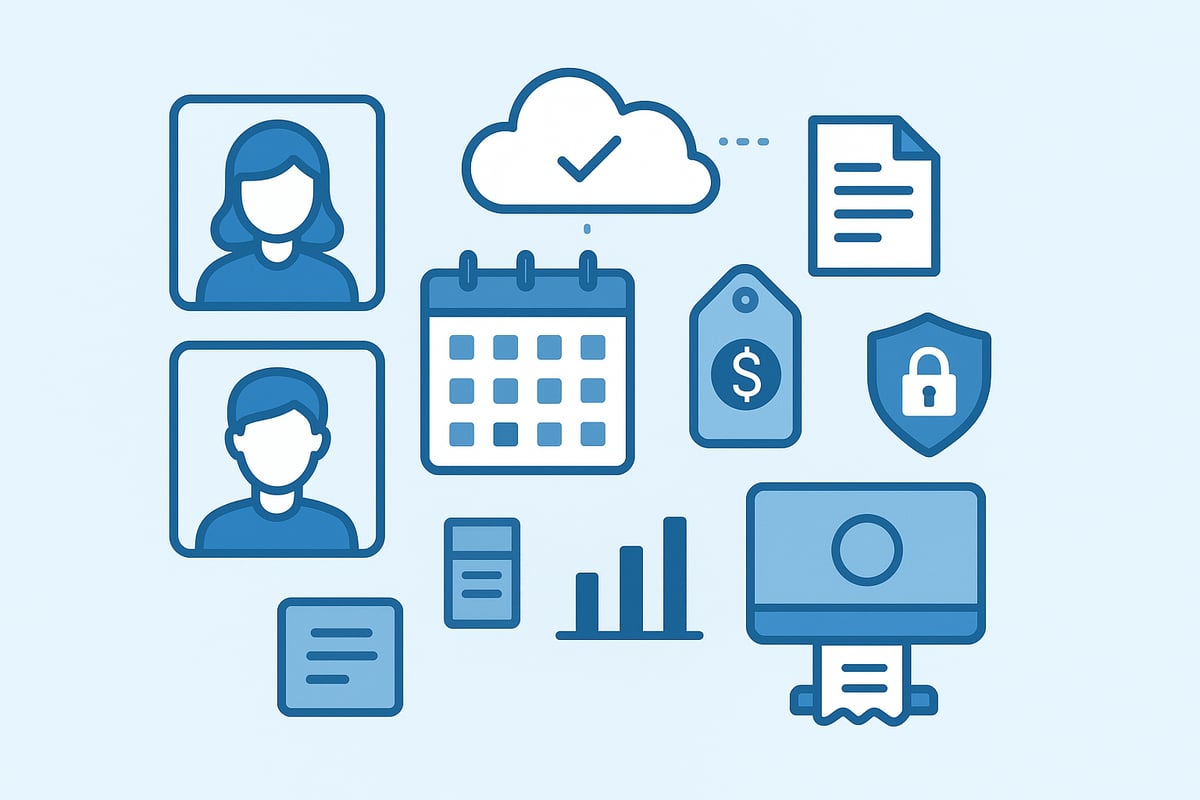
A modern salon database is the backbone of a successful, client-focused salon in 2026. Its features go far beyond basic scheduling, empowering professionals to deliver personalized service, streamline daily operations, and adapt to evolving industry demands.
Centralized Client Profiles and History
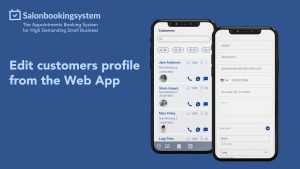
A robust salon database stores comprehensive client profiles in one secure, easily accessible place. This includes service history, preferences, allergies, and even before and after photos. By referencing these details, staff can tailor every appointment, ensuring clients feel recognized and valued.
- Service preferences and product notes
- Allergy and sensitivity tracking
- Visual portfolios for style consultations
Centralizing this information reduces errors and creates a seamless, high-quality experience at every visit.
Appointment and Resource Management
Modern systems offer real-time scheduling, staff calendars, and resource allocation tools. With a salon database, double bookings and missed appointments become a thing of the past. Automated reminders and confirmations help reduce no-shows and keep the day running smoothly.
For a deeper dive into these capabilities, see this guide to modern salon booking software.
Digital Forms and Paperless Records
Digital consultation and consent forms are now standard in any top-tier salon database. Secure, cloud-based storage ensures records are always accessible, organized, and compliant with data protection laws. Paperless processes save time, eliminate lost paperwork, and make audits far easier.
- E-signature support for consent
- Quick retrieval of client agreements
- Automatic updates for regulatory changes
Marketing Integration and Client Segmentation
With built-in marketing tools, a salon database enables targeted campaigns based on real client data. Tag and segment clients by service, visit frequency, or preferences to deliver automated follow-ups, loyalty rewards, and personalized offers.
- Automated rebooking prompts
- Birthday and anniversary campaigns
- Loyalty program tracking
These features help boost retention and drive consistent revenue.
Access Controls and Data Security
Protecting sensitive client and business information is non-negotiable. Modern salon database systems use role-based permissions, ensuring only authorized staff access specific data. Audit trails track every change, and data retention settings automate compliance.
- Multi-level user access
- Encrypted data storage
- Detailed logs for accountability
Reporting and Analytics
Dashboards turn raw data into actionable insights. With a salon database, owners can track KPIs like bookings, revenue, and client retention at a glance. Reports help identify top-performing services, spot trends, and optimize operations.
- Service popularity analysis
- Staff performance metrics
- Real-time client retention rates
Integration with Other Business Tools
A salon database should integrate seamlessly with POS systems, payment gateways, inventory management, and marketing platforms. This connectivity reduces manual work, eliminates data silos, and supports efficient workflows, especially for multi-location salons.
- Unified appointment and payment tracking
- Inventory updates in real time
- Centralized reporting across branches
By leveraging these features, salons position themselves for growth, efficiency, and superior client care.
Step-by-Step Guide to Implementing Salon Database Management
Implementing a modern salon database is a transformative process that can streamline your daily operations and elevate client care. To maximize results, follow a structured approach that addresses your salon’s unique needs, ensures data integrity, and builds staff confidence every step of the way.

Step 1: Assess Current Data Practices
Begin by auditing your existing data landscape. Review how client information, appointment records, and service histories are currently stored. Identify inconsistencies, missing details, or outdated records that could hinder a seamless salon database transition.
Note compliance gaps, such as unsecured paper files or fragmented spreadsheets. This assessment forms the foundation for a more efficient and secure system.
Step 2: Define Business Needs and Objectives
Next, clarify your goals for the salon database project. Are you aiming to reduce no-shows, increase rebooking, or improve marketing precision? Engage your team to gather feedback on pain points and wish-list features.
Setting clear, measurable objectives—such as boosting client retention by 15 percent—will guide your technology selection and implementation.
Step 3: Choose the Right Database Solution
With your goals in mind, compare available solutions. Cloud-based platforms offer flexibility and easy updates, while on-premise systems may appeal to salons with specific security requirements.
Evaluate each option for scalability, integration with POS and marketing tools, and support services. For inspiration, explore examples of booking systems that demonstrate how different salons leverage technology to meet their unique needs.
Step 4: Data Migration and Cleanup
Plan a meticulous migration strategy to transfer your records into the new salon database. Begin by deduplicating client entries, updating contact information, and enriching missing details.
Collaborate with migration specialists or follow vendor guidance to ensure accuracy. Prioritize data security at every stage, using encrypted channels for sensitive information.
Step 5: Staff Training and Onboarding
Comprehensive staff training is essential to a smooth transition. Schedule interactive workshops to introduce the new salon database, covering everything from appointment booking to consent form management.
Offer ongoing support through user guides, help desks, or mentorship sessions. Encourage staff to ask questions and provide feedback during the initial rollout.
Step 6: Go Live and Monitor Performance
Launch your salon database with a soft rollout. Use real client appointments to test workflows and gather feedback on usability. Monitor key performance indicators like booking accuracy, resource allocation, and client satisfaction.
Stay agile—adjust settings or processes promptly in response to team and client input.
Step 7: Continuous Improvement
Implementation does not end at launch. Regularly review how your salon database is being used, update workflows as needed, and stay informed about new features or regulatory requirements.
Schedule periodic audits to maintain data accuracy, and encourage a culture of continuous learning. This proactive approach ensures your system evolves alongside your business needs.
Security, Compliance, and Data Privacy in Salon Databases
Salons in 2026 face rising expectations to secure every aspect of their salon database. With more client data flowing through digital platforms, compliance and privacy are business-critical. Owners must understand evolving requirements, enforce robust safeguards, and foster trust through transparent practices.
Understanding Regulatory Requirements
Salon database management starts with knowing the law. Regulations like GDPR in Europe and HIPAA for medspas in the US set strict standards for handling client data. Local data protection rules may also apply, depending on your region.
Salons must collect explicit client consent, especially for storing sensitive information and sending marketing messages. Regularly reviewing and updating consent records is vital for ongoing compliance. Failing to meet these obligations can result in costly penalties and reputational damage.
Implementing Robust Security Measures
Protecting your salon database requires multiple layers of defense. Encryption ensures data stays private, both in storage and during transfers. Secure cloud storage offers resilience against physical damage or technical failures.
Regular data backups and disaster recovery plans further shield client records. Assigning role-based access means only authorized staff can view or edit sensitive details. Audit logs help track who accessed what, supporting accountability.
Handling Data Requests and Retention
Clients increasingly expect control over their data within a salon database. Salons should have clear procedures for granting access, making corrections, or deleting records upon request. Setting retention policies, such as automatic purges after a defined period, helps minimize unnecessary risk.
Documenting these processes and training staff to handle data requests efficiently is essential. This not only ensures compliance but also demonstrates respect for client privacy.
Preventing Data Breaches and Loss
A proactive approach is crucial for safeguarding your salon database. Conduct regular staff training on data privacy, phishing awareness, and secure device use. Limit access to client details on a need-to-know basis.
For example, leading systems block out client contact information unless required for service. Regular security audits and software updates reduce vulnerabilities. Quick response protocols can limit damage if an incident occurs.
Building Client Trust Through Transparency
Trust is the foundation of every successful salon database strategy. Clearly communicate your privacy policy, outlining what data you collect, how it is used, and clients' rights. Use secure digital forms for sensitive information, reducing the risks of paper storage.
Maintaining a transparent approach reassures clients that their details are safe. For more on why a secure, organized salon database matters, see the Importance of Salon Client Databases. Open communication, supported by robust systems, is key to lasting loyalty.
Future Trends in Salon Database Management
Anticipating the future is essential for any salon aiming to stay ahead. As technology rapidly evolves, the salon database is poised to become the backbone of innovation, efficiency, and client engagement.
AI and Automation in Database Management
Artificial intelligence is transforming how salons utilize their salon database. Predictive analytics can now forecast client preferences, suggest service upgrades, and optimize appointment slots. Automated marketing, such as automatic follow-up features, nurtures client relationships and boosts retention without manual effort. These tools save time and help teams focus on delivering exceptional service.
Integration with Emerging Technologies
Modern salons are integrating their systems with mobile apps, smart devices, and IoT tools. This allows real-time updates to the salon database, seamless check-ins, and more responsive resource management. Branded booking apps and deskless check-ins are becoming standard, giving both clients and staff more flexibility in how they interact with salon services.
Evolving Client Expectations
Clients in 2026 expect self-service booking, instant feedback, and digital loyalty rewards. They want a seamless experience across every touchpoint. Salons that leverage their databases to deliver these experiences will stand out. Digital-first tools are no longer optional, but expected by tech-savvy clientele.
Data-Driven Personalization and Upselling
By analyzing historical trends in the salon database, staff can personalize promotions and recommend services tailored to each client. Real-time insights empower teams to upsell effectively, increasing average spend and satisfaction. Personalization is driven by robust data, not guesswork.
Preparing for Regulatory Changes
Regulations around data privacy continue to evolve. A future-ready salon database must adapt to new laws, such as GDPR updates or local compliance standards. Regular audits and automated consent tracking are essential for avoiding penalties and maintaining client trust. Staying compliant is not just about avoiding fines, but also about building reputation.
The Role of Cloud and Multi-Location Support
Cloud-based systems are enabling franchises and multi-location businesses to centralize their salon database for unified reporting and resource sharing. According to the Salon Management Software Market Growth report, industry adoption of cloud solutions is accelerating, supporting scalability and seamless data access across branches. This ensures consistent client experiences and operational agility.
Best Practices and Expert Insights for Salon Owners
Achieving operational excellence in 2026 requires more than just adopting new technology. Every salon owner must treat their salon database as a living asset, maintained and leveraged daily for business growth.
Establishing Data Quality Standards
Consistent, accurate data is the backbone of an effective salon database. Leading salons conduct monthly audits to catch duplicate records, outdated client details, or missing information.
- Implement validation rules for new entries
- Schedule regular reviews to maintain up-to-date records
- Assign responsibility for data oversight to specific team members
For example, high-performing salons use these standards to ensure every client interaction is informed by reliable, current data.
Fostering a Data-Driven Culture
Empowering your team to use data in daily decisions transforms the salon experience. Encourage staff to explore client histories, service preferences, and feedback, offering incentives for those who utilize the salon database to personalize service.
Attending industry events like the Data-Driven Salon Summit Overview can expose your team to new strategies and expert insights, helping embed a data-driven mindset.
Leveraging Analytics for Growth
Analytics tools within your salon database reveal trends and opportunities that drive real results. Track metrics such as rebooking rates, client retention, and average spend to inform your marketing and operational strategies.
- Monitor KPIs using built-in dashboards
- Adjust service offerings based on top-performing categories
- Use segmentation for targeted promotions
Salons that embrace analytics report measurable increases in revenue and client loyalty, according to recent industry studies.
Case Studies and Success Stories
Consider the example of a multi-location spa that centralized its salon database and saw a 30% reduction in no-shows within three months. Another independent barber shop improved client retention by 20% after implementing automated follow-ups based on database insights.
These stories highlight the tangible impact of leveraging data for strategic growth.
Staying Updated with Industry Innovations
Continuous education is vital. Participate in webinars, follow thought leaders, and stay informed about emerging salon database features.
- Subscribe to industry newsletters
- Join online forums for salon professionals
- Test new features as they become available
This proactive approach ensures your business remains competitive as technology evolves.
Checklist: Maintaining an Effective Salon Database
A structured routine helps keep your salon database healthy and compliant. Use this checklist:
| Task | Frequency | Responsible |
|---|---|---|
| Audit client data | Monthly | Manager |
| Review appointment histories | Weekly | Front Desk |
| Update staff access permissions | Quarterly | IT/Admin |
| Backup database | Weekly | IT/Admin |
| Validate new entries | Ongoing | All Staff |
For advanced scheduling, explore features like Dynamic and fixed time slots to optimize resource allocation and reduce errors.
Expert Opinions and Recommendations
Industry consultants recommend a salon database strategy that prioritizes both data security and usability. Regular staff training, clear access controls, and continuous process improvement are essential.
Experts suggest setting quarterly goals for database enhancements and reviewing performance metrics to ensure ongoing progress. Salons of all sizes benefit from a culture of accountability and innovation.
As you’ve seen throughout this guide, effective salon database management is the key to streamlining your daily operations, delivering memorable client experiences, and setting your business up for long term success in 2026. If you’re ready to put these best practices into action and see how an intuitive platform can simplify bookings, improve client retention, and keep your data secure, now is the perfect time to take the next step.
You don’t have to navigate these changes alone—explore how you can elevate your salon’s efficiency and client satisfaction today.
Start for free