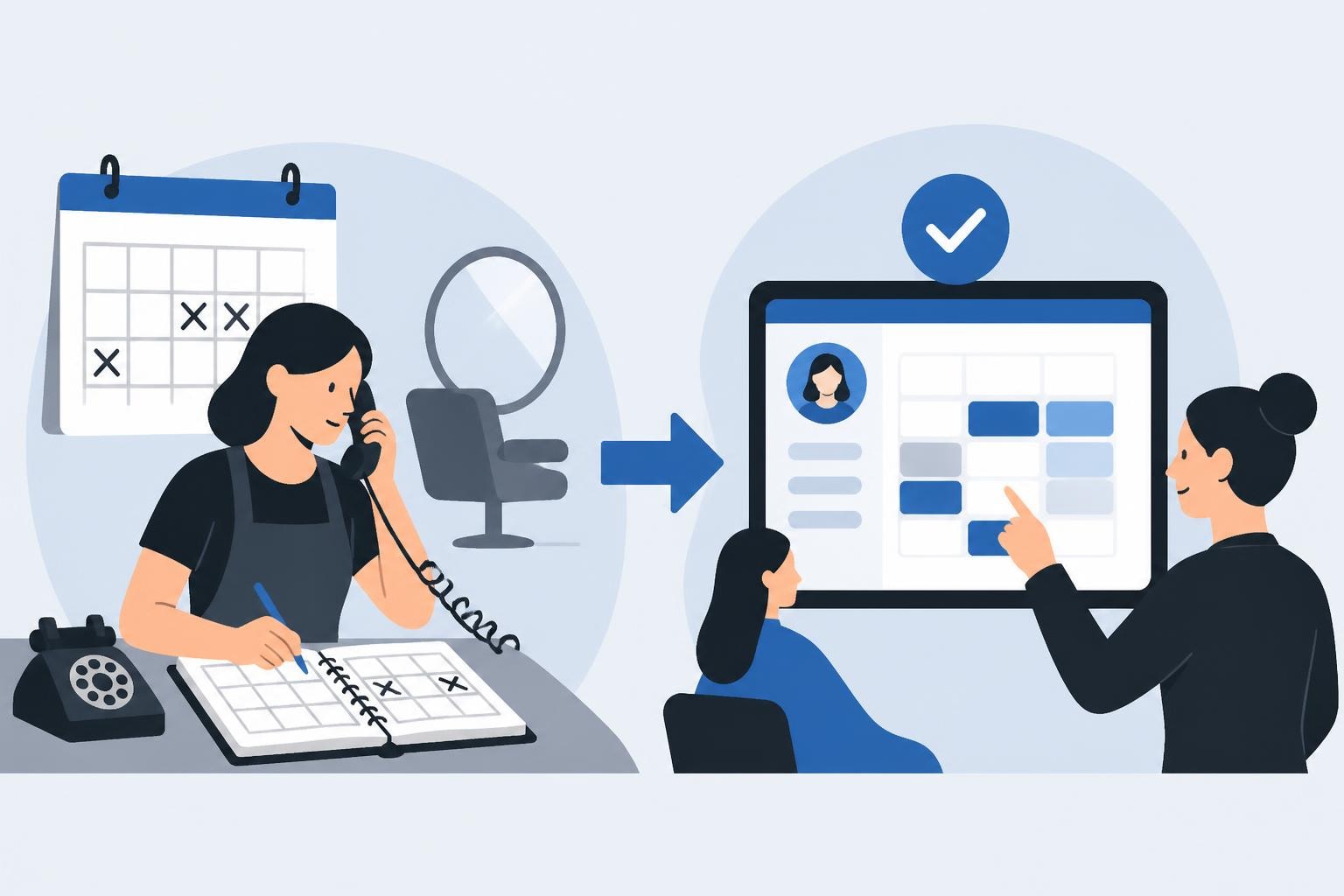
The salon industry continues to evolve rapidly, yet many beauty professionals still rely on traditional methods to manage their appointments. A manual booking system, characterized by paper calendars, telephone calls, and handwritten appointment logs, remains surprisingly common in small salons and independent beauty businesses. While this approach may seem cost-effective initially, the hidden costs and operational challenges can significantly impact a salon's profitability and growth potential. Understanding the true implications of manual scheduling helps salon owners make informed decisions about their business operations.
The Reality of Managing Appointments Manually
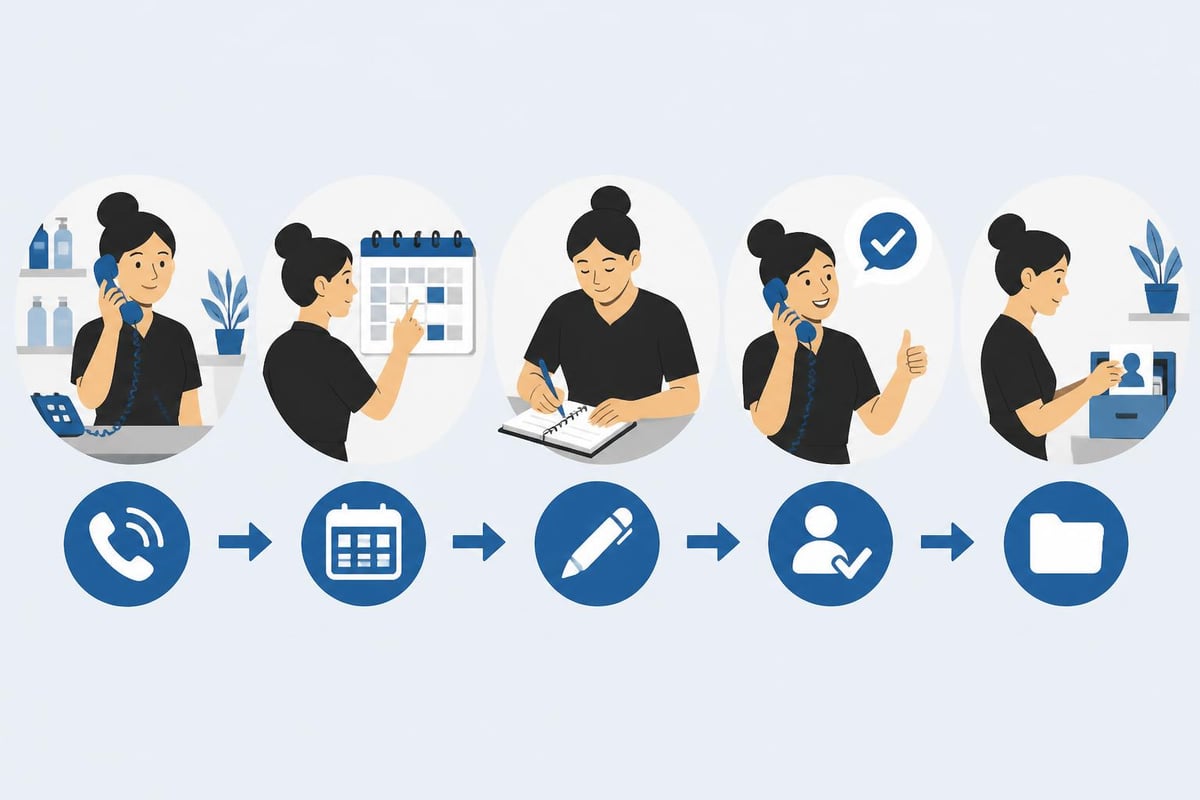
A manual booking system requires salon staff to record every appointment by hand, typically using physical appointment books or basic spreadsheets. Each time a client calls to schedule a haircut, color service, or spa treatment, the receptionist must check availability, write down client details, and confirm the appointment verbally.
This process involves multiple steps that consume valuable time. Staff members must flip through appointment books, cross-reference stylist schedules, and manually calculate service durations to prevent overlaps. According to industry research, salon professionals spend approximately 15-20 hours per month managing appointments manually, time that could be directed toward client services or business development.
Common Components of Traditional Scheduling
Manual booking systems in salons typically include several traditional elements:
- Physical appointment books with time slots for each service provider
- Client information cards stored in filing cabinets or boxes
- Wall calendars displaying staff schedules and time-off requests
- Paper forms for recording client preferences and service history
- Telephone logs tracking incoming booking requests
- Manual receipts and payment records
The reliance on these physical tools creates numerous vulnerabilities that modern salon owners must consider when evaluating their manual scheduling system effectiveness.
Financial Impact on Salon Operations
The financial consequences of maintaining a manual booking system extend far beyond the cost of appointment books and pens. Research indicates that salons using manual scheduling methods experience revenue losses averaging 15-30% annually due to operational inefficiencies.
Revenue Leakage Through Common Errors
Double bookings represent one of the most costly mistakes in manual scheduling. When two clients arrive expecting the same appointment slot, the salon faces an immediate crisis. Staff must either squeeze both appointments into an already packed schedule or disappoint a client, potentially losing that customer permanently. Data from the beauty services sector shows that approximately 8% of manually recorded appointments result in some form of scheduling conflict.
No-show appointments create another significant financial drain. Without automated reminders, clients simply forget their scheduled services. Industry statistics reveal that salons relying on manual systems experience no-show rates between 15-25%, compared to just 5-10% for salons using automated notification systems. Each missed appointment represents lost revenue that cannot be recovered, particularly during peak hours when the time slot could have been filled by another client.
| Impact Category | Manual System Cost | Automated System Cost |
|---|---|---|
| No-show rate | 15-25% of appointments | 5-10% of appointments |
| Double bookings | 8% error rate | Less than 1% error rate |
| Administrative time | 15-20 hours/month | 2-3 hours/month |
| Missed booking opportunities | 20-30% after-hours calls | Near 0% with online booking |
The potential financial drawbacks of manual booking systems become particularly evident when examining opportunity costs. After-hours booking requests represent substantial lost revenue for salons operating with manual systems. When clients call outside business hours, their inquiries go unanswered, often leading them to book with competitors who offer convenient online scheduling options.
Labor Cost Considerations
Staff time spent managing a manual booking system translates directly into labor costs. A receptionist dedicating four hours daily to phone-based scheduling represents approximately $28,000-$35,000 in annual payroll expenses for a task that automated systems can handle more efficiently. This calculation doesn't account for the multitasking inefficiencies created when receptionists must interrupt client interactions to answer booking calls.
Operational Challenges Beyond Financial Metrics
Beyond direct financial impacts, manual booking systems create operational bottlenecks that affect service quality and business scalability. These challenges often remain invisible until salon owners examine their processes critically.
Client Experience Degradation
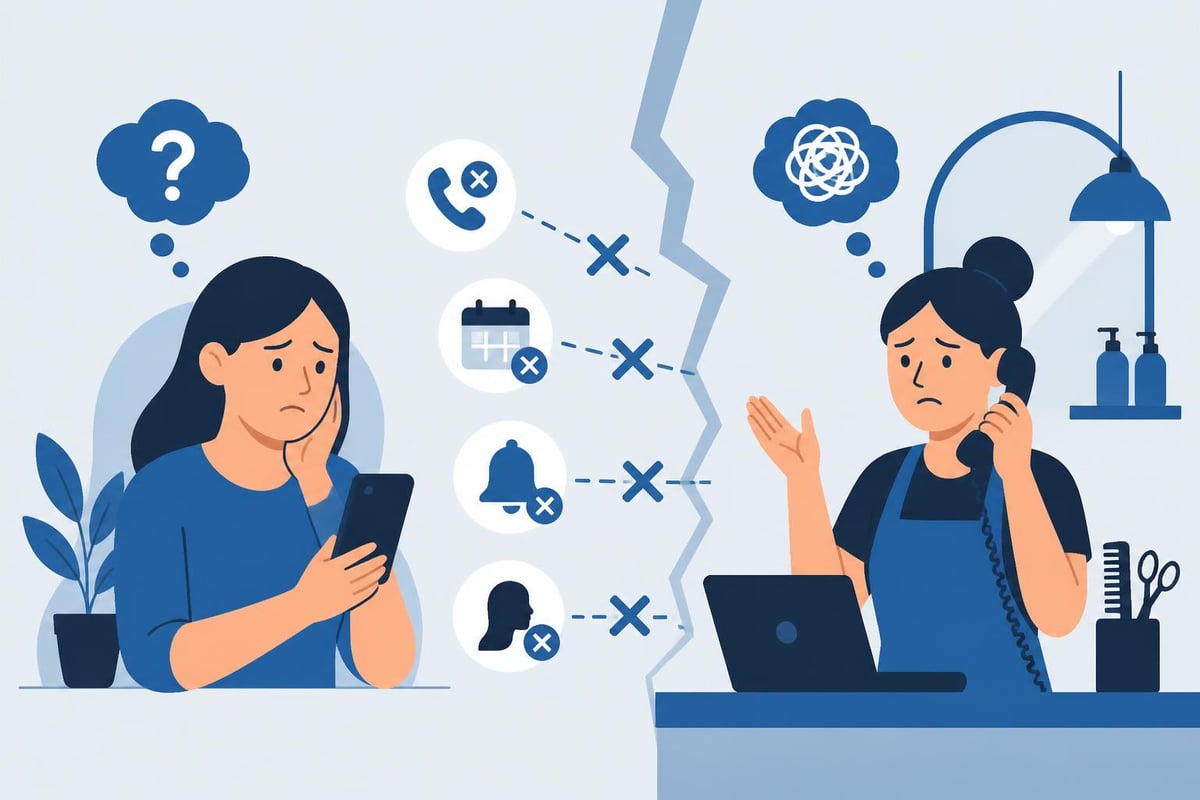
Modern consumers expect convenience and flexibility when scheduling appointments. A client who wants to book a last-minute appointment while commuting must wait until the salon opens to make a phone call. This friction creates frustration and increases the likelihood that clients will choose competitors offering more accessible booking options.
The comparison between booking plugins and manual scheduling reveals significant disparities in customer satisfaction metrics. Salons maintaining manual systems typically receive lower ratings for booking convenience, with 42% of clients citing scheduling difficulty as a reason for switching to competitors.
Staff Coordination Difficulties
Coordinating multiple stylists, service providers, and treatment rooms becomes exponentially more complex with manual systems. Each team member maintains their own schedule awareness, creating opportunities for miscommunication. When a stylist calls in sick or requests time off, manually rescheduling affected appointments can consume hours of administrative time.
Resource allocation presents another challenge. Salons offering specialized services must match specific stylists with appropriate appointments based on expertise. A manual booking system requires staff to mentally track which providers offer which services, increasing the cognitive load during busy periods and elevating error rates.
Data Management and Business Intelligence Limitations
A manual booking system severely restricts a salon's ability to analyze performance metrics and make data-driven business decisions. Without centralized digital records, extracting meaningful insights requires tedious manual compilation of scattered information.
Lost Analytics Opportunities
Successful salon management relies on understanding client patterns, service popularity, peak booking times, and stylist productivity. Manual systems make gathering this information extraordinarily difficult. An owner wanting to identify the most profitable services must manually review weeks or months of appointment records, tallying figures by hand.
Key business questions remain unanswered when relying on manual tracking:
- Which services generate the highest profit margins per time unit?
- What percentage of clients return within specific timeframes?
- Which marketing campaigns drive the most bookings?
- How do seasonal trends affect appointment volume?
- Which stylists maintain the highest retention rates?
The inability to answer these questions prevents salons from optimizing their service offerings, pricing strategies, and staffing decisions. Competitors using digital systems gain significant advantages by leveraging these insights for strategic planning.
Client Relationship Management Gaps
Building strong client relationships requires remembering preferences, service histories, and personal details. While exceptional stylists may recall information about regular clients, this knowledge remains siloed with individual staff members. When that stylist leaves or a client visits during their absence, the personal touch disappears.
A manual booking system offers no mechanism for tracking client preferences systematically. Notes scribbled on appointment cards may capture some details, but this information isn't readily accessible to all team members. The lack of centralized client profiles prevents salons from delivering consistently personalized experiences.
Scalability Constraints for Growing Businesses
Perhaps the most significant limitation of manual booking systems emerges when salons attempt to expand operations. Growth inherently increases complexity, and manual processes that function adequately for single-location, small-team operations quickly become unmanageable.
Multi-Location Challenges
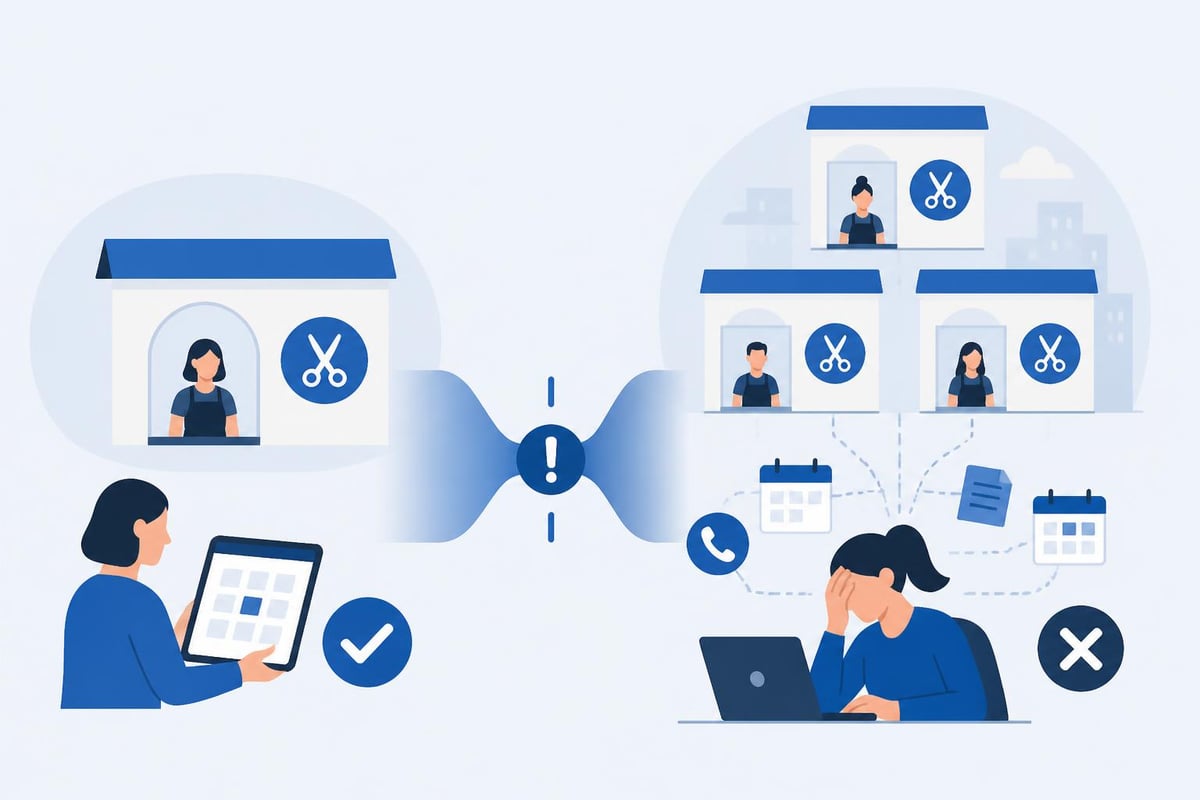
Salon owners operating multiple locations face enormous coordination challenges with manual systems. Each location maintains separate appointment books, making corporate-level visibility impossible without physically visiting each site. Clients cannot easily transfer between locations, and centralized reporting requires collecting and consolidating information from each branch manually.
The advantages and disadvantages of online booking systems become particularly relevant when examining expansion scenarios. Digital platforms enable seamless multi-location management, while manual methods create administrative nightmares that limit growth potential.
Team Expansion Complications
Adding new stylists or service providers to a manual booking system requires physical adjustments to appointment books and increased coordination complexity. New team members must learn existing organizational systems, and the margin for error increases with each additional person handling bookings. Staff turnover becomes especially disruptive, as departing employees take institutional knowledge about clients and scheduling nuances with them.
Security and Compliance Considerations
Manual record-keeping exposes salons to significant security risks and potential compliance violations. Physical documents containing sensitive client information can be lost, damaged, or accessed by unauthorized individuals. Unlike services requiring stringent privacy controls-such as businesses working with sensitive personal information like those offering specialized newborn photography sessions at One Big Happy Photo, LLC-salons may underestimate their data protection responsibilities.
Data Vulnerability Factors
Client records containing names, phone numbers, addresses, and payment information stored in filing cabinets lack the encryption and access controls inherent in digital systems. A break-in, fire, or flood could destroy years of client data irretrievably. No backup systems exist for paper records unless salons implement labor-intensive photocopying protocols.
Privacy regulations increasingly require businesses to protect customer information adequately. The comparison between automated and manual booking confirmation processes highlights compliance advantages of digital systems. Manual systems make demonstrating regulatory compliance difficult, potentially exposing salons to legal liabilities.
The Human Factor in Manual Scheduling
Despite technological advances, some salon owners maintain manual booking systems due to personal preferences or perceived simplicity. Understanding the human elements helps explain this persistence even when disadvantages clearly outweigh benefits.
Staff Resistance to Change
Long-term employees comfortable with familiar manual processes may resist transitioning to digital systems. The learning curve associated with new technology creates anxiety, particularly among team members less confident with computers or smartphones. This resistance can stall modernization efforts even when ownership recognizes the need for change.
Training requirements represent both time and financial investments. During transition periods, productivity may temporarily decrease as staff members adapt to new workflows. These short-term disruptions deter some salon owners from implementing necessary improvements.
Perceived Cost Barriers
Small salon owners operating on tight margins may view digital booking systems as unaffordable luxuries rather than essential business tools. The upfront costs or monthly subscription fees seem significant compared to the negligible expense of appointment books. This perspective overlooks the substantial hidden costs of manual systems detailed throughout this analysis.
The educational resource comparing booking systems demonstrates that total cost of ownership calculations must include efficiency losses, error rates, and opportunity costs, not merely direct expenses.
Industry Evolution and Client Expectations
Consumer behavior has shifted dramatically over the past decade. The same clients booking salon appointments also use digital platforms to reserve restaurants, purchase airline tickets, and schedule medical appointments. These experiences shape expectations for all service industries, including beauty and wellness.
Competitive Disadvantages
Salons maintaining manual booking systems compete against businesses offering 24/7 online scheduling, automated confirmations, and seamless rescheduling options. Younger clients particularly expect digital convenience, with 73% of millennials preferring to book appointments online rather than by phone. Manual systems alienate this demographic, gradually eroding the client base.
Market research indicates that 58% of consumers have chosen competitors specifically because of easier booking processes. This statistic underscores how a manual booking system directly impacts client acquisition and retention, core metrics determining long-term business viability.
Professional Image Implications
A salon's booking process communicates volumes about its overall professionalism and modernity. Clients forming first impressions through booking interactions may question whether a business relying on antiquated scheduling methods stays current with style trends, techniques, and service quality. The booking experience sets expectations for the entire client journey.
Transition Strategies for Modernization
Recognizing the limitations of a manual booking system represents the first step toward improvement. Salon owners ready to modernize their operations can implement transitional strategies that minimize disruption while maximizing benefits.
Phased Implementation Approaches
Rather than abruptly abandoning manual systems, salons can adopt hybrid approaches during transition periods. Maintaining parallel manual and digital booking for several weeks allows staff to build confidence with new tools while preserving familiar fallback options. This gradual transition reduces anxiety and ensures continuity of service.
The case study examining cardfactory’s transition from manual booking processes to automated systems illustrates successful change management strategies. Key success factors include comprehensive staff training, executive commitment, and clear communication about implementation timelines and expectations.
Measuring Improvement Outcomes
Establishing baseline metrics before transitioning away from manual systems enables salons to quantify improvements. Tracking no-show rates, double booking frequency, client satisfaction scores, and administrative time requirements provides concrete evidence of enhanced performance. These measurements justify the investment and motivate continued optimization.
Business intelligence capabilities unlock entirely new strategic possibilities. Digital appointment data reveals patterns invisible within manual systems, enabling evidence-based decisions about pricing, promotions, staffing levels, and service offerings. The analytical gap between manual and automated approaches represents perhaps the most compelling argument for modernization.
Moving away from a manual booking system isn't merely about adopting new technology-it's about positioning your salon for sustainable growth and meeting evolving client expectations. The operational inefficiencies, revenue losses, and competitive disadvantages associated with manual scheduling create compounding challenges that become increasingly difficult to overcome. Salon Booking System offers salon owners a comprehensive solution that addresses these pain points through intuitive online scheduling, automated reminders, and powerful analytics tools. Since 2016, our platform has helped countless salon professionals streamline their operations and enhance client satisfaction, transforming the booking experience from a daily frustration into a strategic business advantage.