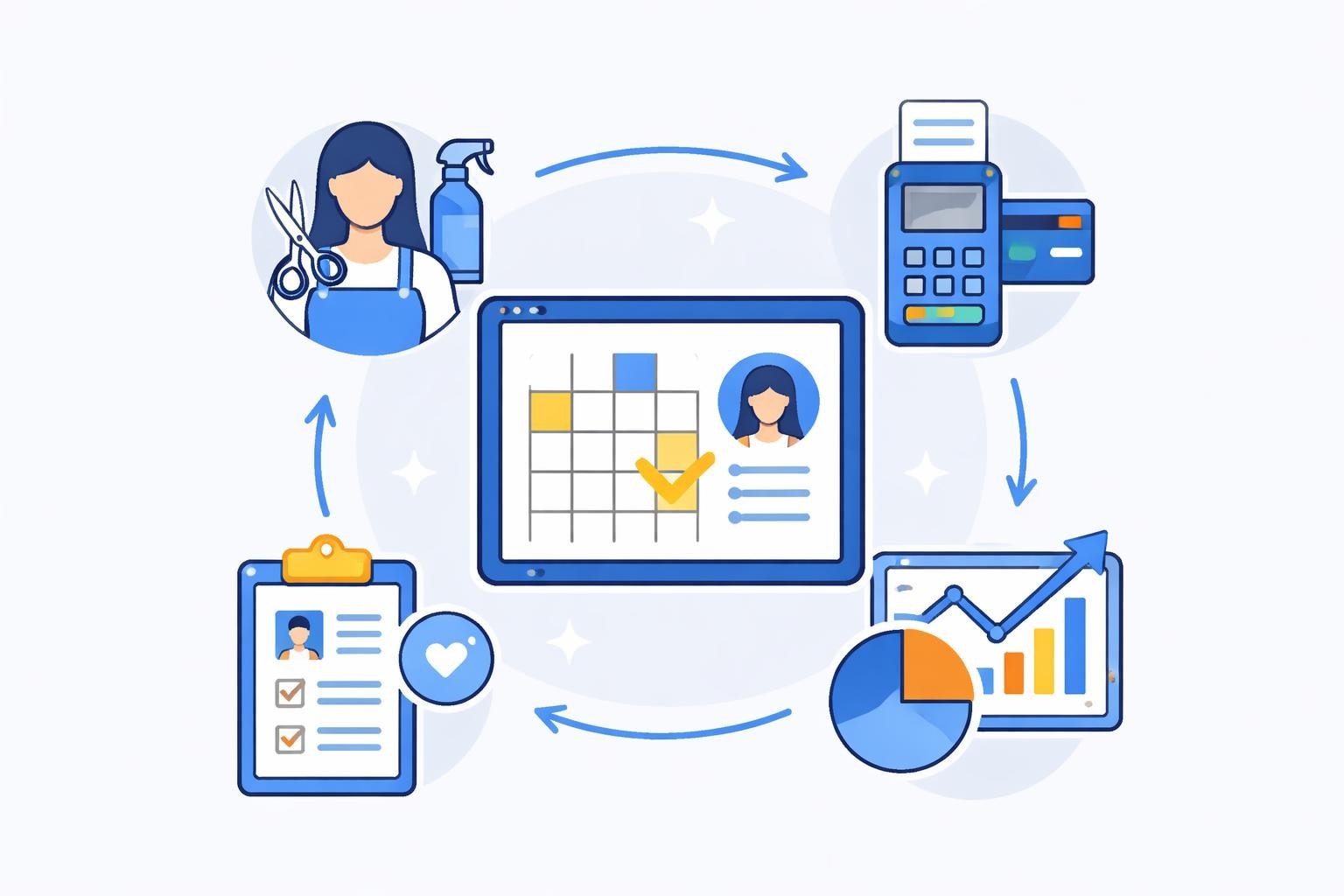
Running a successful hair salon in 2026 requires more than exceptional styling skills and customer service. Today's salon owners face complex operational challenges: managing multiple stylists' schedules, reducing appointment no-shows, processing payments efficiently, and maintaining detailed client records. The solution to these challenges lies in modern technology designed specifically for the beauty industry. This comprehensive guide explores how specialized software transforms salon operations, enhances client experiences, and drives measurable business growth.
Understanding the Hair Salon Software Landscape
The global market for digital solutions in the beauty industry has experienced remarkable expansion. According to recent market analysis, the hair salon software market is projected to continue substantial growth through 2032, driven by increasing demand for operational efficiency and enhanced customer experiences.
This growth reflects a fundamental shift in how salon businesses operate. Traditional paper appointment books and manual client tracking systems simply cannot compete with the speed, accuracy, and insights that modern platforms provide. Hair salon software has evolved from basic scheduling tools to comprehensive business management systems.
Market Growth and Adoption Trends
The adoption rate among salon professionals has accelerated significantly. Multiple factors contribute to this trend:
- Client expectations for 24/7 online booking capabilities
- Competitive pressure from salons offering digital convenience
- Operational efficiency needs as labor costs increase
- Data-driven insights for inventory and pricing optimization
- Mobile-first experiences demanded by younger demographics
Industry research indicates that salons implementing digital management systems report average efficiency improvements of 30-40% in administrative tasks, allowing stylists to focus more time on client service.
Core Features That Drive Salon Success
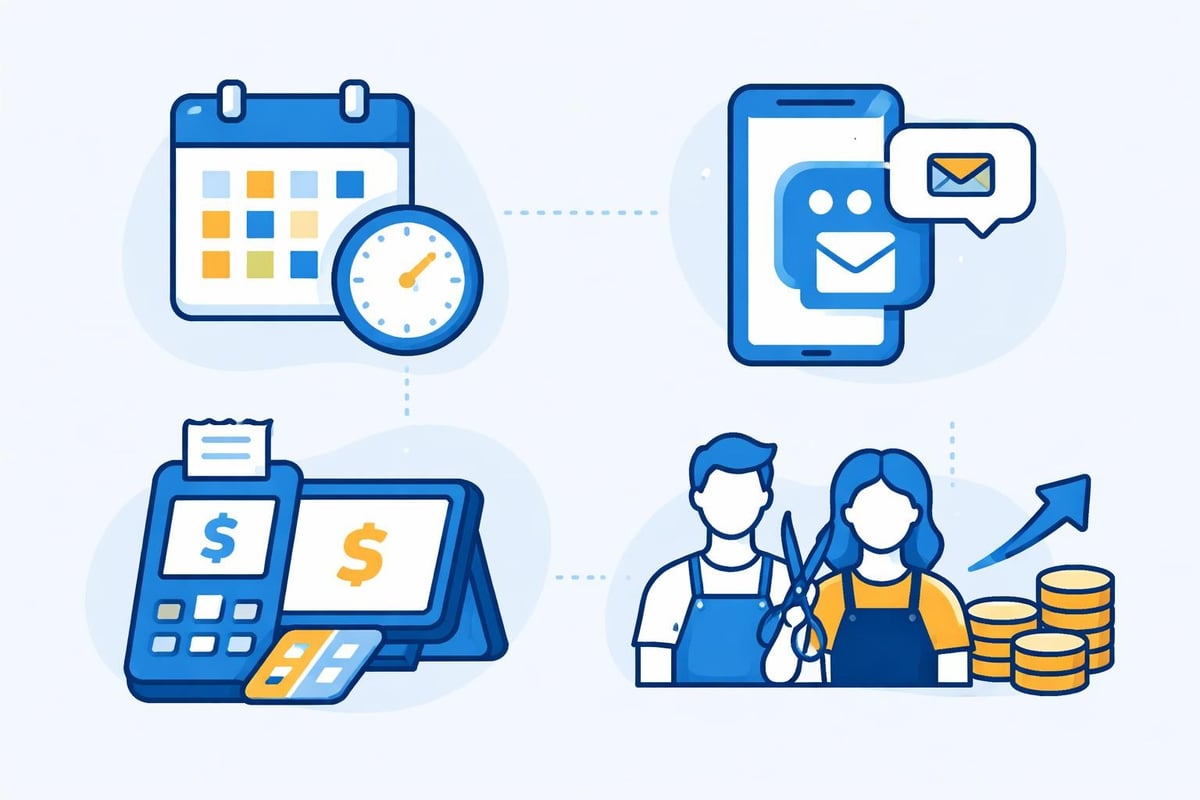
Modern hair salon software encompasses a wide range of functionalities designed to address specific operational challenges. Understanding these features helps salon owners make informed investment decisions.
Appointment Scheduling and Calendar Management
The foundation of any salon management system is robust scheduling capability. Advanced platforms offer:
Real-time availability displays that sync across all booking channels, preventing double-bookings and scheduling conflicts. When a client books online at 2 AM, the system immediately updates stylist calendars and sends confirmations.
Service-based time blocking automatically allocates appropriate time slots based on service type. A full color treatment receives different time allocation than a simple trim, ensuring realistic scheduling that prevents bottlenecks.
Multi-location support enables salon groups to manage several locations from a unified dashboard while maintaining location-specific settings, pricing, and staff assignments.
| Scheduling Feature | Business Impact | Implementation Priority |
|---|---|---|
| Online booking | 40% reduction in phone interruptions | High |
| Automated reminders | 60% decrease in no-shows | High |
| Waitlist management | 15% increase in booking fill rate | Medium |
| Recurring appointments | 25% boost in client retention | Medium |
| Group bookings | Enhanced party/event revenue | Low |
Client Relationship Management
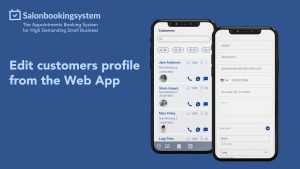
Effective client management extends far beyond storing contact information. Comprehensive systems maintain detailed profiles including:
- Complete service history with products used and formulas applied
- Preference notes (favorite beverages, conversation topics, sensitivity issues)
- Allergy alerts and contraindications
- Purchase history for retail products
- Birthday and anniversary dates for targeted marketing
- Customized pricing tiers for VIP clients
This data enables personalized service that builds loyalty. When a client returns after six months, stylists can reference previous formulas and preferences, creating continuity that clients notice and appreciate.
Payment Processing and Financial Management
Integrated payment systems streamline the checkout process while providing valuable financial insights. Modern hair salon software platforms include:
Flexible Payment Options
Multiple payment methods accommodate client preferences, from traditional credit cards to digital wallets like Apple Pay and Google Pay. Contactless payment adoption increased 67% in beauty services during 2024-2025, making this capability essential.
Split payment processing allows groups to divide bills easily, and tip allocation systems ensure proper distribution to stylists and assistants. This functionality reduces checkout time and improves the client experience during the final moments of their visit.
Subscription and package management enables salons to offer membership programs, prepaid service packages, and recurring billing for regular clients. These models increase predictable revenue and enhance client retention rates.
Financial Reporting and Analytics
Backend financial tools provide owners with critical business intelligence:
- Daily sales reports breaking down revenue by service category, stylist, and payment method
- Commission calculations automating complex stylist payment structures
- Tax reporting simplifying quarterly and annual tax preparation
- Profit margin analysis identifying most profitable services and products
- Trend identification revealing seasonal patterns and growth opportunities
According to beauty industry statistics, salons utilizing comprehensive reporting features make data-driven decisions that increase profitability by an average of 18% within the first year.
Automated Communication and Marketing
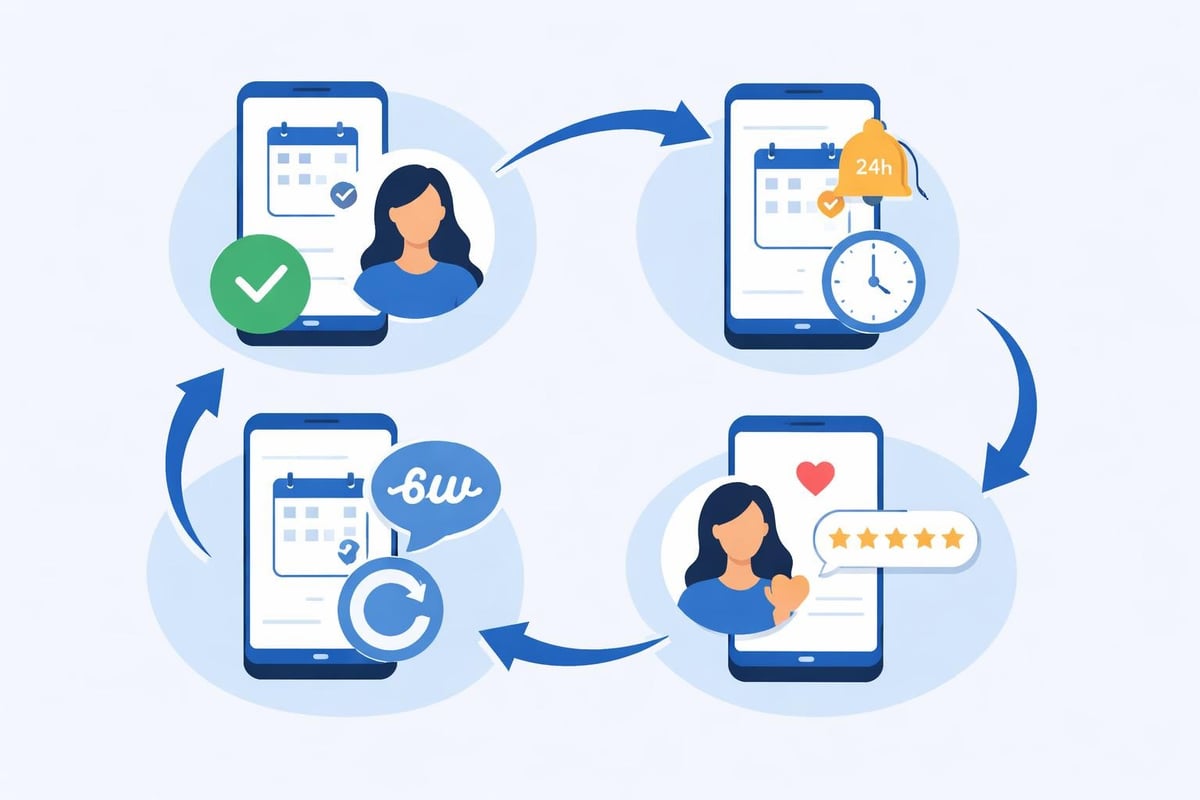
Hair salon software transforms client communication from a time-consuming manual task to an automated process that runs in the background. This automation maintains client engagement without requiring constant staff attention.
Appointment Reminders and Confirmations
Automated messaging significantly reduces no-shows, which cost the average salon $4,000-$8,000 annually in lost revenue. Effective reminder systems include:
Multi-channel notifications sent via SMS, email, and push notifications based on client preferences. Research shows text message reminders achieve 98% open rates compared to 20% for email.
Customizable timing allows salons to configure when reminders go out. Common strategies include immediate confirmation, a reminder 48 hours before the appointment, and a final reminder 24 hours prior.
Two-way communication enables clients to confirm, reschedule, or cancel directly from the reminder message, updating the calendar automatically and freeing up the slot for another client.
Marketing Automation and Campaigns
Strategic marketing features help salons maintain consistent client engagement:
- Birthday and anniversary campaigns that automatically send personalized offers
- Win-back sequences targeting clients who haven't visited in 60, 90, or 120 days
- New service announcements introducing clients to expanded offerings
- Seasonal promotions timed to holidays and events
- Referral incentive programs encouraging word-of-mouth marketing
The 2026 Hair Salon Trend Guide emphasizes that personalization drives client loyalty, with 73% of clients more likely to return to salons that remember their preferences and communicate relevantly.
Staff Management and Performance Tracking
Effective team management capabilities distinguish comprehensive platforms from basic scheduling tools. Advanced hair salon software provides:
Stylist Scheduling and Time Management
Individual calendars with customizable working hours, break times, and time-off requests. This flexibility accommodates different schedules for part-time and full-time staff while preventing booking conflicts.
Skill-based booking ensures clients are matched with appropriately qualified stylists. A junior stylist's calendar might not show advanced color correction services, while a master stylist's schedule includes all offerings.
Performance dashboards display key metrics for each team member:
| Metric | Purpose | Target Range |
|---|---|---|
| Services per day | Productivity tracking | 8-12 for stylists |
| Average ticket value | Revenue contribution | $65-$95 |
| Rebooking rate | Client satisfaction | 60-75% |
| Retail attachment | Sales performance | 25-40% |
| Client retention | Loyalty building | 70-85% |
Commission and Payroll Integration
Automated commission calculations save hours of administrative work while ensuring accuracy. Systems can handle complex structures:
- Tiered commission rates that increase as stylists reach revenue thresholds
- Service-specific percentages with different rates for technical vs. basic services
- Retail commission tracking separate from service commissions
- Assistant splits dividing commissions between lead stylists and assistants
- Bonus structures based on performance goals or client retention
Inventory and Retail Management
Beyond services, most salons generate 15-30% of revenue from retail product sales. Integrated inventory systems prevent stockouts and overstock situations:
Automatic reorder alerts notify managers when product levels fall below preset thresholds. This ensures popular items remain available without tying up excessive capital in inventory.
Product usage tracking links inventory to services, automatically deducting color tubes, treatments, and styling products used during appointments. This provides accurate cost-of-goods calculations for each service.
Retail sales integration at checkout allows stylists to recommend products used during the appointment, with the transaction flowing directly into inventory and financial records.
Implementation Strategy for Maximum ROI
Selecting and deploying hair salon software requires strategic planning to ensure successful adoption and measurable returns. Market analysis reveals that salons following structured implementation processes achieve full productivity within 3-4 weeks, compared to 8-12 weeks for ad-hoc deployments.
Evaluation and Selection Process
Identify specific pain points your salon currently experiences. Different platforms excel in different areas. A salon struggling with no-shows needs robust reminder capabilities, while a growing multi-location business requires sophisticated centralized management.
Request demonstrations from multiple vendors. Evaluate the user interface from both staff and client perspectives. Platforms that seem powerful but prove difficult to navigate create frustration and resistance.
Assess integration capabilities with existing systems. Many salons use separate point-of-sale systems, accounting software, or email marketing tools. Seamless integration prevents data silos and duplicate entry.
Staff Training and Change Management
Technology adoption succeeds or fails based on team buy-in. Effective implementation includes:
- Hands-on training sessions for all staff members, not just managers
- Written documentation with screenshots for common tasks
- Practice periods using test accounts before going live
- Designated champions who become internal experts
- Ongoing support with regular check-ins during the first month
Emphasize benefits to individual team members. Stylists care about easier scheduling and better client information. Front desk staff appreciate reduced phone volume and streamlined check-in processes.

Advanced Features Shaping the Future
The salon software landscape continues evolving with emerging technologies that further enhance capabilities:
Artificial Intelligence and Personalization
AI-powered features are becoming standard offerings. Research into digital salon technologies demonstrates how artificial intelligence can enhance the client experience through virtual consultations and style recommendations.
Smart scheduling algorithms analyze historical data to predict appointment duration more accurately, accounting for individual stylist work speeds and service complexity variations.
Dynamic pricing adjusts rates based on demand, automatically offering discounts during slow periods and premium pricing for peak times, maximizing revenue per available hour.
Predictive inventory management uses sales patterns and upcoming appointments to forecast product needs, reducing waste from expired products while ensuring availability.
Mobile Optimization and Apps
Mobile functionality has shifted from optional to essential. Clients expect to manage appointments from smartphones, and stylists need mobile access to their schedules:
- Native mobile apps for iOS and Android with offline capabilities
- Mobile payment processing allowing tableside checkout
- Photo galleries where stylists can showcase their work
- Push notifications for instant communication
- Digital consultation forms completed on tablets before services
Integration with Broader Business Systems
Modern platforms function as central hubs connecting multiple business systems:
Accounting software integration automatically syncs sales data with QuickBooks, Xero, or other platforms, eliminating manual entry and ensuring accurate financial records.
Email marketing platform connections enable sophisticated segmentation and campaign tracking while maintaining a single source of client data.
Review management tools automate the process of requesting and responding to online reviews on Google, Yelp, and Facebook.
Measuring Success and Optimizing Performance
Implementing hair salon software represents a significant investment. Tracking specific metrics ensures you're achieving expected returns:
Key Performance Indicators to Monitor
Booking efficiency measures how quickly available appointment slots fill. Industry benchmarks suggest 75-85% utilization during prime hours indicates healthy demand without overextension.
No-show and cancellation rates should decrease dramatically with automated reminders. Target rates below 5% for no-shows and under 15% for cancellations with at least 24-hour notice.
Average ticket value often increases when systems prompt for add-on services and retail products at checkout. Track this monthly to identify trends and opportunities.
Client retention metrics reveal long-term business health:
- Rebooking rate (percentage of clients who schedule their next appointment before leaving)
- Visit frequency (average days between appointments per client)
- Client lifetime value (total revenue generated per client over their relationship with your salon)
- Retention by cohort (tracking groups of clients based on their first visit date)
According to European beauty salon industry trends, salons focusing on technology integration and personalization see retention rates 20-30% higher than industry averages.
Continuous Improvement Process
Regular data review sessions should occur monthly, examining reports and identifying patterns. Which services have the highest profit margins? Which stylists achieve the best retention rates? What promotions drove the most bookings?
Client feedback integration through post-appointment surveys provides qualitative insights that complement quantitative metrics. Brief, mobile-friendly surveys with 3-4 questions achieve the highest completion rates.
Feature utilization audits ensure you're maximizing your software investment. Many salons use only 40-50% of available features, missing opportunities for efficiency and revenue gains.
Security and Compliance Considerations
Hair salon software handles sensitive client information, requiring robust security measures and compliance with data protection regulations:
Data Protection Standards
PCI DSS compliance is mandatory for any system processing credit card payments. This certification ensures proper encryption and secure handling of payment information.
GDPR and privacy regulations require transparent data policies, secure storage, and the ability to delete client records upon request. Even salons outside the European Union should follow these standards as best practices.
Regular security updates protect against emerging threats. Cloud-based systems automatically receive patches and updates, providing better security than locally installed software.
Backup and Disaster Recovery
Automated daily backups ensure client data, appointments, and financial records remain safe even if hardware fails or disasters occur.
Cloud-based architecture provides redundancy across multiple data centers, eliminating single points of failure that plague server-based systems.
Quick recovery procedures minimize downtime if issues arise. Leading platforms guarantee 99.9% uptime with rapid restoration capabilities.
Cost Considerations and ROI Analysis
Investment in hair salon software typically ranges from $50 to $300 monthly depending on features, salon size, and user count. Understanding the full cost picture helps justify the investment:
Total Cost of Ownership
Subscription fees cover software access, updates, and support. Most platforms use tiered pricing based on active staff members or appointment volume.
Transaction fees apply when using integrated payment processing, typically 2.5-3.5% plus a small per-transaction charge. Compare these rates to standalone merchant services.
Training and onboarding time represents an initial investment but pays dividends through efficient long-term use.
Return on Investment Calculation
Calculate expected returns using conservative estimates:
| Benefit Category | Monthly Impact | Annual Value |
|---|---|---|
| Reduced no-shows (10 appointments @ $75) | $750 | $9,000 |
| Administrative time saved (15 hours @ $20/hr) | $300 | $3,600 |
| Increased rebooking (5% improvement, 200 clients) | $450 | $5,400 |
| Retail attachment improvement (3% increase) | $180 | $2,160 |
| Total Annual Benefit | $1,680 | $20,160 |
Even accounting for software costs of $2,400-$3,600 annually, most salons achieve ROI within 3-6 months.
Selecting the Right Solution for Your Salon
With dozens of platforms available, choosing the right hair salon software requires careful evaluation:
Must-Have vs. Nice-to-Have Features
Essential capabilities for any salon include online booking, automated reminders, basic client management, and calendar synchronization. These features deliver the most significant operational improvements.
Advanced features like AI-powered recommendations, detailed analytics, and marketing automation provide additional value but may not be necessary for smaller operations.
Vendor Evaluation Criteria
Customer support quality often distinguishes platforms more than feature sets. Responsive, knowledgeable support prevents small issues from becoming major disruptions.
Scalability ensures the platform grows with your business. A solution perfect for a single-location, three-chair salon may not support a multi-location business with 20 stylists.
User reviews and testimonials from similar-sized salons provide realistic expectations about implementation challenges and long-term satisfaction.
Modern salon operations demand sophisticated technology that streamlines scheduling, enhances client relationships, and provides actionable business insights. The right software platform transforms administrative burdens into automated processes, allowing salon professionals to focus on delivering exceptional service. Salon Booking System provides comprehensive appointment scheduling with online payments, automated client notifications, and advanced scheduling rules-everything needed to efficiently manage your salon and enhance customer satisfaction. Since 2016, salon owners have trusted this user-friendly platform to simplify booking management and grow their businesses.