Managing a busy salon requires juggling multiple appointments, client preferences, staff schedules, and payment processing-all while delivering exceptional customer service. For salon owners operating on tight budgets, free salon booking software presents an attractive solution to streamline operations without upfront costs. However, understanding what "free" truly means in the software industry and which platforms deliver genuine value requires careful evaluation. This comprehensive guide examines the landscape of free salon scheduling solutions, their features, limitations, and the strategic considerations that determine whether they're the right choice for your business.
Understanding Free Salon Booking Software Models
Free salon booking software operates under various business models that determine how providers generate revenue while offering no-cost access to users. The most common approach involves transaction-based pricing, where platforms charge a percentage of each booking or payment processed through their system. This model, as analyzed by industry experts, shifts costs from upfront subscription fees to per-transaction charges that can accumulate significantly as business volume grows.
Another prevalent model uses a freemium structure where basic features remain free indefinitely, but advanced capabilities require paid upgrades. These limitations typically affect scheduling complexity, client capacity, reporting depth, or marketing automation features. Some providers offer genuinely free software for solo practitioners but impose fees once you add staff members or locations.
The True Cost Analysis
Understanding what you're actually paying matters more than the advertised price tag. When evaluating free options, calculate the total cost of ownership across these dimensions:
- Transaction fees on bookings and payments (typically 1.5% to 4%)
- Payment processing charges (additional 2% to 3.5%)
- SMS and email notification costs per message
- Premium feature upgrades as your business expands
- Integration costs for connecting existing tools
- Time investment in system limitations and workarounds
Research into the hidden costs of free salon software reveals that many salon owners pay more through transaction fees over 12-18 months than they would with a straightforward subscription model. A salon processing $10,000 monthly in bookings through a platform charging 2.5% transaction fees pays $3,000 annually-often exceeding the cost of comprehensive paid solutions.

Essential Features in Quality Booking Platforms
Professional-grade free salon booking software should deliver core functionality that genuinely improves operational efficiency rather than creating new bottlenecks. The foundation begins with online appointment scheduling that allows clients to book services 24/7 through a branded interface. This capability alone can increase bookings by 30-40% according to industry data, as clients appreciate the convenience of self-service scheduling outside business hours.
Client Management Capabilities
Robust client relationship management separates basic schedulers from comprehensive business tools. Essential features include:
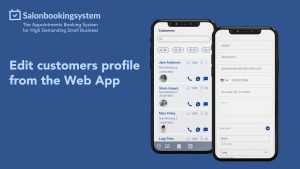
- Complete client profiles with service history and preferences
- Automated appointment reminders via SMS and email
- Customizable intake forms and consent documentation
- Birthday and special occasion tracking
- Client retention analytics and visit patterns
Notification systems deserve special attention as they directly impact no-show rates and client satisfaction. Research from the appointment scheduling industry indicates that automated reminders reduce no-shows by 20-30%, translating to thousands in recovered revenue annually for average-sized salons.
Staff and Resource Scheduling
Effective salon booking software features extend beyond client-facing calendars to include sophisticated staff management. Look for platforms that handle:
- Individual staff calendars with custom availability
- Service-to-provider matching based on skills and certifications
- Commission tracking and performance metrics
- Blocked time for breaks, meetings, and training
- Multi-location support for growing businesses
The ability to assign specific services to qualified staff members prevents booking errors and ensures clients receive appropriate expertise. For example, color correction services should route only to senior colorists, while junior stylists handle basic cuts and styling.
Comparing Leading Free Platforms
The market for free salon booking software has matured significantly, with several established platforms offering legitimate no-cost options for qualifying businesses. Understanding their strengths and limitations helps identify the best fit for your specific operation.
| Platform | Best For | Key Limitation | Transaction Fee |
|---|---|---|---|
| Fresha | Multi-service salons | Commission on products sold | 0% on services, variable on products |
| Square Appointments | Solo practitioners | Limited team features | 2.6% + 10¢ per transaction |
| Vagaro Lite | Basic scheduling needs | 5 appointments/day limit | Payment processing fees apply |
| Booksy | Client acquisition | Marketing feature costs | Varies by plan |
Square Appointments, as detailed in comprehensive reviews, excels for individual beauty professionals who need straightforward scheduling integrated with payment processing. Its strength lies in the seamless ecosystem connecting booking, payments, and basic inventory-ideal for booth renters and independent contractors.

Feature-Specific Platform Analysis
When diving deeper into various salon software options and their capabilities, certain patterns emerge around specialization. Some platforms prioritize mobile accessibility with dedicated apps like SalonAppy, which focuses on on-the-go management for busy salon owners. Others emphasize marketing automation or inventory control as their differentiating features.
The critical evaluation factor involves alignment with your operational priorities. A salon primarily serving walk-in clients needs different functionality than one operating exclusively by appointment with a loyal, pre-booked customer base. Color specialists requiring detailed formula tracking have distinct needs from barbershops focused on quick turnover and simple service menus.
Implementation Strategies for Maximum Value
Successfully deploying free salon booking software requires methodical planning beyond simple software selection. The transition process impacts staff workflow, client communication, and daily operations, making strategic implementation essential for realizing promised benefits.
Phase 1: Data Migration and Setup (Week 1-2)
Begin by auditing your current client database and service menu. Clean data before migration to avoid perpetuating errors into your new system. Essential setup tasks include:
- Importing client contact information with accurate phone numbers and emails
- Configuring service catalog with accurate durations and pricing
- Setting staff schedules including individual availability patterns
- Establishing business rules for booking windows and cancellation policies
- Customizing automated message templates to match your brand voice
Testing must happen before client-facing launch. Create dummy appointments across various scenarios-same-day bookings, recurring appointments, multiple services, different providers-to verify the system handles your specific workflows correctly.
Phase 2: Client Communication and Adoption (Week 3-4)
Introducing clients to online booking requires clear communication about benefits and simple instructions. The advantages of salon booking software include 24/7 booking access and reduced phone tag, but clients need to understand how the system works.
Effective rollout strategies include:
- Email announcement with direct booking link and brief tutorial
- In-salon signage with QR codes linking to booking page
- Staff training on guiding clients through first bookings
- Incentive offers for first online bookings (small discount or add-on service)
- Follow-up with phone-preferring clients to ease transition concerns
Monitor adoption metrics weekly during the first month. If online bookings don't reach 40-50% within four weeks, investigate friction points-complex booking flows, unclear service descriptions, or technical issues preventing completion.
Managing Growth and Scalability Concerns
Free salon booking software works exceptionally well for businesses at certain stages, but growth often reveals limitations that require strategic decisions. Understanding these inflection points prevents operational disruptions and client service degradation.
Recognizing Constraint Indicators
Several signals indicate you're outgrowing free platform capabilities:
- Client database hitting artificial limits on number of active profiles
- Advanced scheduling rules you need aren't available (complex rotating schedules, multiple locations, equipment booking)
- Reporting gaps preventing analysis of key performance metrics like service profitability or staff utilization
- Integration requirements for accounting, marketing, or inventory systems
- Transaction fees exceeding what comparable subscription services cost
A salon processing 500 appointments monthly at an average ticket of $75 generates $37,500 in revenue. If the booking platform charges 2% per transaction, that's $750 monthly-potentially more than comprehensive paid alternatives offering unlimited bookings and advanced features.
The Migration Decision Framework
When evaluating whether free salon software truly serves your needs, consider both current functionality and future requirements. Growth-oriented salons should assess:
| Factor | Stay With Free | Consider Paid Migration |
|---|---|---|
| Monthly appointments | Under 300 | Over 500 |
| Staff members | 1-2 | 5+ |
| Locations | Single | Multiple |
| Annual revenue | Under $100K | Over $250K |
| Custom reporting needs | Basic | Advanced analytics required |
| Integration requirements | Minimal | Essential for operations |
The decision isn't purely financial-operational efficiency and competitive positioning matter significantly. If your booking system limits marketing capabilities or creates scheduling conflicts that frustrate high-value clients, the cost extends beyond dollars to reputation and customer lifetime value.
Advanced Features Worth Prioritizing
As your familiarity with booking software deepens, certain advanced capabilities deliver disproportionate value relative to their complexity. These features separate adequate scheduling tools from comprehensive business management platforms.
Intelligent Scheduling Rules
Sophisticated booking logic prevents common scheduling problems before they occur. Priority features include:
- Buffer time between appointments for cleanup and preparation
- Service sequencing rules that prevent incompatible back-to-back bookings (you can't schedule a keratin treatment immediately after highlights without processing time)
- Minimum advance booking windows to ensure adequate preparation
- Maximum future booking limits to prevent calendar hoarding
- Client-specific restrictions based on history (requiring deposit for serial no-shows)
These rules reduce staff time spent manually adjusting schedules and prevent revenue loss from poorly structured appointment blocks. A salon that previously lost 30 minutes daily to schedule gaps can recover 182 hours annually-equivalent to more than four full work weeks of productive time.
Marketing Automation Integration
The booking system becomes a marketing engine when it captures client data and triggers targeted campaigns. Essential automation includes:
- Birthday month promotions automatically sent to eligible clients
- Re-engagement campaigns for clients who haven't booked in 60-90 days
- Service upsell suggestions based on booking history
- Referral request triggers after positive experiences
- Review solicitation following appointments
Email marketing generates $36 for every dollar spent according to industry benchmarks, making integrated campaigns one of the highest-ROI features in salon software. Even basic automation-a monthly newsletter to your client database-maintains top-of-mind awareness that drives rebooking.
Security, Compliance, and Data Protection
Free salon booking software stores sensitive client information including contact details, service history, and often payment data. Understanding security practices and compliance requirements protects both your business and your clients from data breaches and regulatory violations.
GDPR and Privacy Considerations
Client data handling must comply with applicable privacy regulations, which vary by jurisdiction but share common principles. Your booking software should provide:
- Clear consent mechanisms for data collection and marketing
- Client access to their stored information
- Data deletion capabilities for client requests
- Encrypted transmission and storage of sensitive data
- Regular security audits and penetration testing
Responsibility doesn't transfer to the software provider-as the business owner, you remain accountable for how client data is collected, stored, and used. Verify that any free platform maintains appropriate certifications and publishes transparent privacy policies.
Payment Security Standards
If your booking software processes payments, PCI DSS compliance becomes mandatory. Reputable providers handle this certification, but you should confirm:
- Tokenization of stored payment information
- Secure payment gateways with encryption
- No storage of complete card numbers in your account
- Regular security updates and vulnerability patches
Payment breaches carry severe consequences including fines, legal liability, and reputational damage that can destroy a small business. Free platforms cutting corners on security infrastructure present unacceptable risk regardless of cost savings.
Integration with Existing Business Systems
Modern salon booking software functions as a central hub connecting various business processes, but free versions often limit integration capabilities. Understanding these constraints helps set realistic expectations and identify workarounds.
Critical Integration Points
Well-connected booking systems exchange data with:
- Accounting software for automated revenue recording and reconciliation
- Email marketing platforms for synchronized contact lists and campaign targeting
- Social media channels for appointment booking directly through business pages
- Payment processors beyond the platform's default options
- Inventory management to track product usage and trigger reordering
- Payroll systems for commission calculation and time tracking
The absence of necessary integrations creates manual data entry work that erodes the efficiency gains from automated booking. Calculate the staff time required for duplicate data entry, reconciliation, and error correction when evaluating platforms with limited connectivity.
API Access and Customization
Advanced users benefit from API access that enables custom integrations and automated workflows. Free platforms rarely provide API documentation or developer support, limiting technical customization. This restriction matters more as business complexity increases and unique processes require tailored solutions.
Making the Strategic Platform Decision
Selecting free salon booking software ultimately balances immediate financial constraints against operational requirements and growth trajectory. The optimal choice differs dramatically between a solo hairstylist renting a booth and a five-chair salon planning expansion to multiple locations.
Decision Criteria Framework
Structure your evaluation around these prioritized factors:
Immediate operational needs (40% weighting):
- Does it handle your service menu complexity?
- Can staff easily manage daily schedules?
- Do clients find booking intuitive?
Total cost reality (30% weighting):
- What are actual monthly costs including transaction fees?
- How does this compare to paid alternatives?
- What hidden costs emerge at scale?
Growth accommodation (20% weighting):
- Does it support planned expansion?
- What triggers forced migration?
- How difficult is future platform switching?
Support and reliability (10% weighting):
- What happens when technical issues arise?
- Is documentation comprehensive?
- Do other users report positive experiences?
This framework prevents over-emphasizing upfront cost while ignoring factors that determine long-term success. A platform that's "free" but creates operational headaches, limits growth, or costs more through fees ultimately delivers poor value.
Trial Period Strategy
Most free platforms allow immediate access without commitments, creating ideal testing conditions. Structure your evaluation systematically:
- Week 1: Configure system with real services, pricing, and staff
- Week 2: Test client-facing booking with staff and trusted clients
- Week 3: Process test payments and verify financial reconciliation
- Week 4: Evaluate reporting, notifications, and daily workflow
Document friction points, missing features, and unexpected costs during the trial. This evidence-based approach produces better decisions than theoretical feature comparisons or sales materials.
Choosing free salon booking software requires balancing immediate budget constraints with long-term operational needs, growth plans, and total cost of ownership. The right platform streamlines scheduling, reduces no-shows, and improves client satisfaction while fitting your current business stage and future trajectory. If you're ready to implement a comprehensive appointment scheduling solution designed specifically for salons and small businesses, Salon Booking System offers the tools you need-including online payments, customer notifications, and advanced scheduling rules-backed by a decade of proven reliability since 2016.