Modern salon operations require more than just skilled stylists and premium products. The backbone of any successful salon, spa, or beauty business is an efficient customer booking system that manages appointments seamlessly while delivering an exceptional client experience. With 67% of customers preferring to book services online according to recent industry research, implementing the right scheduling solution has become essential rather than optional. This technology transforms how salons handle everything from initial appointments to payment collection, fundamentally changing the relationship between service providers and their clients.
Understanding the Core Functions of a Customer Booking System
A customer booking system serves as the central nervous system of your salon's operations. At its most basic level, it replaces paper appointment books and phone calls with digital scheduling that works around the clock.
Key operational functions include:
- Real-time availability display across multiple service providers
- Automated appointment confirmations and reminders
- Payment processing integration for deposits and full payments
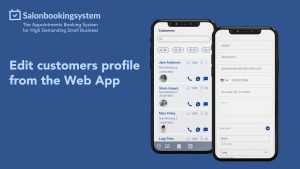
- Client database management with service history tracking
- Staff schedule coordination and conflict prevention
- Reporting and analytics for business insights
The distinction between a basic scheduling tool and a comprehensive customer booking system lies in integration depth. While simple calendars might show available slots, professional-grade systems connect scheduling with inventory management, customer relationship tools, and financial reporting. This interconnection eliminates duplicate data entry and reduces human error significantly.
Financial Impact on Salon Operations
The return on investment for implementing a robust customer booking system extends beyond mere convenience. Salons report an average 30% reduction in no-show rates when using automated reminder systems, according to data from the appointment scheduling industry. Each prevented no-show translates directly to recovered revenue.
| Metric | Without Booking System | With Booking System | Improvement |
|---|---|---|---|
| No-show rate | 15-20% | 5-8% | 60% reduction |
| Average booking time | 8-10 minutes | 2-3 minutes | 70% faster |
| After-hours bookings | 0% | 35-40% | New revenue |
| Administrative time | 15-20 hrs/week | 5-8 hrs/week | 60% reduction |
Consider a mid-sized salon with 200 weekly appointments. At a 15% no-show rate without automated reminders, that's 30 missed appointments weekly. With an average service value of $75, the salon loses $2,250 weekly or approximately $117,000 annually. A customer booking system that reduces no-shows to 6% recovers roughly $70,000 of that lost revenue.

Client Experience and Modern Booking Expectations
Consumer behavior has shifted dramatically toward self-service digital experiences. The same client who orders groceries at midnight and books travel from their phone expects identical convenience from their hair salon or spa.
Research from the service industry shows that 40% of customers will choose a competitor if they cannot book appointments online. This preference intensifies among younger demographics, with 62% of millennials and Gen Z clients stating online booking capability influences their choice of service provider.
Mobile-First Booking Requirements
With mobile devices accounting for 58% of all web traffic in 2026, a customer booking system must prioritize mobile experience. Mobile-first design principles emphasize streamlined interfaces that work flawlessly on smaller screens.
Essential mobile booking features include:
- Single-column layout optimized for thumb navigation
- Minimal form fields requiring only essential information
- One-touch payment options through digital wallets
- Calendar interfaces designed for touch interaction
- Instant confirmation via SMS or push notifications
The booking process should complete in under 90 seconds on mobile devices. Each additional step or required field increases abandonment rates by approximately 7%. Successful salons design their customer booking system around a three-step flow: service selection, time selection, and confirmation.
Integration Capabilities That Multiply Value
A standalone customer booking system provides scheduling functionality, but integrated systems multiply operational efficiency through connected workflows. Modern platforms connect with point-of-sale systems, email marketing tools, and accounting software to create a unified business ecosystem.
When a client books a color service through your customer booking system, integrated workflows can automatically:
- Reserve necessary color inventory quantities
- Block appropriate time based on hair length and service type
- Send pre-appointment instructions about hair preparation
- Process deposit payments and apply toward final balance
- Update customer relationship management records
- Trigger follow-up marketing sequences for related services
This level of automation eliminates manual coordination between systems. Staff members no longer need to check inventory separately, manually send reminder emails, or update multiple databases with the same appointment information.
Payment Processing and Revenue Security
Financial integration represents one of the most valuable aspects of a comprehensive customer booking system. By collecting deposits or full payments at booking time, salons secure revenue and dramatically reduce no-shows.
Industry data indicates that prepaid appointments have a no-show rate below 2%, compared to 15-20% for appointments without financial commitment. The psychological commitment of a paid deposit creates accountability that verbal confirmations cannot match.

Advanced Scheduling Rules and Business Logic
Sophisticated customer booking systems incorporate business rules that reflect real-world salon operations. These rules prevent booking conflicts and ensure realistic scheduling that staff can actually deliver.
Common scheduling rules include:
- Minimum and maximum advance booking windows
- Buffer time between appointments for cleanup and preparation
- Service-specific duration adjustments based on client hair characteristics
- Stylist skill-level matching for specialized services
- Equipment availability coordination for multiple stylists
- Package and membership service allocation
Consider a scenario where a client books a full highlight service. The customer booking system recognizes this requires specialized skills and automatically displays only senior colorists in available time slots. It blocks the appropriate duration based on the client's hair length from previous visits, adds 15 minutes of buffer time for the colorist, and reserves a color processing station.
Handling Complex Multi-Service Appointments
Many salon visits involve multiple sequential services requiring different specialists and equipment. A customer booking system must coordinate these complex scenarios without creating scheduling conflicts.
For a client booking a cut, color, and blowout, the system needs to:
- Schedule the colorist for application and initial processing
- Allocate processing time without blocking the colorist
- Coordinate the cut timing with color processing completion
- Ensure blowout specialist availability follows the cut
- Reserve appropriate stations for each service phase
Manual scheduling of these appointments frequently results in timing conflicts, idle time, or rushed services. Implementing booking system logic that understands service dependencies eliminates these operational challenges.
Data Analytics and Performance Optimization
A customer booking system generates valuable operational data that manual appointment books cannot provide. This data reveals patterns in client behavior, staff productivity, and revenue optimization opportunities.
Key performance indicators tracked include:
| Metric | Business Insight | Action Opportunity |
|---|---|---|
| Peak booking times | Demand patterns | Staff scheduling optimization |
| Service popularity | Revenue drivers | Marketing focus and pricing |
| Stylist utilization | Productivity gaps | Training or schedule adjustment |
| Booking source | Marketing effectiveness | Channel investment decisions |
| Cancellation patterns | Risk indicators | Policy refinement |
| Average ticket value | Revenue per client | Upsell opportunities |
Analyzing booking data over time reveals trends that inform strategic decisions. If your customer booking system shows that 45% of all bookings occur between 4 PM and 7 PM on weekdays, but you staff equally throughout the day, you're likely turning away peak-time clients while paying for underutilized morning hours.
Client Retention Through Booking History
The client database within a customer booking system becomes increasingly valuable over time. Each appointment records service preferences, stylist relationships, product usage, and timing patterns that enable personalized service.
When a regular client books through your customer booking system, intelligent platforms can suggest their preferred stylist, recommend their usual service based on timing since last visit, and pre-populate form fields with stored information. This personalization demonstrates attention to detail that builds loyalty.

Staff Management and Schedule Coordination
From the provider perspective, a customer booking system transforms how stylists and therapists manage their professional schedules. Rather than relying on reception staff to communicate appointment details, service providers access their schedules directly through mobile apps or staff portals.
Staff-facing features that improve operations:
- Personal schedule access from any device
- Client information and service notes before appointments
- Availability control for time-off requests and personal scheduling
- Performance metrics and commission tracking
- Product usage recording for inventory management
- Client communication tools for pre and post-appointment contact
This transparency reduces miscommunication and empowers staff to take ownership of their schedules. When stylists can view their upcoming week, prepare for specific services, and note client preferences, service quality improves measurably.
Commission and Performance Tracking
For salons operating on commission-based compensation, a customer booking system can automatically track individual provider performance. Each completed appointment attributes revenue, services performed, and product sales to the appropriate staff member.
This eliminates manual calculation errors and provides real-time performance visibility. Stylists can monitor their progress toward monthly goals, and managers can identify top performers or staff members who might benefit from additional training.
Implementing Best Practices for Maximum Adoption
The technical capabilities of a customer booking system only deliver value when clients and staff actually use the platform. Implementation strategy significantly impacts adoption rates and return on investment.
Best practices for online booking conversion emphasize clear communication about the booking process, prominent placement of booking options on your website, and simplified user interfaces that minimize friction.
Proven implementation steps:
- Soft launch with existing clients: Introduce the customer booking system to your established client base first, who have higher tolerance for learning new processes
- Staff training and buy-in: Ensure all team members understand benefits and can troubleshoot common client questions
- Multi-channel promotion: Feature online booking on your website, social media, email signatures, and in-salon signage
- Incentivize early adoption: Consider small discounts or priority scheduling for clients who book online initially
- Gather feedback and iterate: Monitor booking completion rates and survey clients about their experience
Transition periods typically span 60-90 days as both clients and staff adapt to new workflows. During this time, maintaining phone booking options alongside digital scheduling prevents customer frustration while encouraging gradual migration.
Security, Privacy, and Compliance Considerations
A customer booking system stores sensitive client information including contact details, payment information, and service histories. Proper data protection isn't optional; it's a legal and ethical requirement.
Reputable platforms maintain PCI DSS compliance for payment processing, encrypt data transmission and storage, and implement regular security audits. As a salon owner, understanding your responsibilities under data protection regulations protects both your clients and your business.
Essential security features to verify:
- SSL/TLS encryption for all data transmission
- Secure payment processing through certified gateways
- Regular automated backups with disaster recovery capabilities
- Role-based access controls limiting staff data access
- Audit logs tracking system changes and data access
- GDPR compliance for client data rights and deletion
Beyond technical security, establish clear policies about client data usage, retention periods, and marketing communications. Your customer booking system should facilitate compliance with consent management, allowing clients to control how their information is used.
Customization and Brand Consistency
While functionality drives the selection of a customer booking system, the client-facing interface represents your brand. The booking experience should feel like a natural extension of your salon's website and overall aesthetic.
Designing user-friendly booking systems requires balancing visual appeal with functional clarity. Overly complex designs confuse users, while overly simple interfaces may lack the information clients need to make booking decisions.
Modern platforms offer customization options including:
- Color schemes matching your brand identity
- Logo placement and custom graphics
- Service descriptions with your specific terminology
- Customizable email and SMS notification templates
- Branded confirmation pages and receipts
- Integration with your existing website design
The booking interface becomes an extension of your marketing. Professional presentation with clear photography, detailed service descriptions, and smooth functionality creates positive impressions that influence client perception of your entire business.
Measuring Success and Continuous Improvement
Implementing a customer booking system represents the beginning of ongoing optimization rather than a one-time project completion. Effective booking system management requires regular performance review and adjustment based on usage patterns and business goals.
Establish baseline metrics before implementation, then track monthly progress:
| Success Metric | Measurement Method | Target Improvement |
|---|---|---|
| Online booking percentage | Digital vs. phone bookings | 60%+ within 6 months |
| Booking abandonment rate | Started vs. completed bookings | Under 20% |
| No-show rate | Missed appointments / total appointments | Under 8% |
| Average booking value | Total revenue / number of bookings | 15% increase |
| Staff schedule utilization | Booked hours / available hours | Above 75% |
| Client retention rate | Repeat bookings within 90 days | Above 65% |
Review these metrics monthly and investigate significant changes. A sudden increase in booking abandonment might indicate technical issues, confusing interface changes, or pricing concerns. Declining online booking percentages could suggest website visibility problems or staff reverting to phone scheduling habits.
Integration with Marketing and Growth Strategies
A customer booking system functions as more than operational infrastructure; it serves as a powerful marketing tool when properly leveraged. The client database and booking patterns provide targeting information for promotional campaigns and retention efforts.
Automated marketing workflows triggered by booking behaviors can include:
- Thank-you emails immediately after booking confirmation
- Service preparation instructions 48 hours before appointments
- Post-appointment satisfaction surveys
- Rebooking reminders based on typical service intervals
- Birthday promotions and loyalty rewards
- New service introductions to specific client segments
These communications maintain engagement between appointments, keeping your salon top-of-mind and encouraging regular rebooking. The personalization possible through booking history data significantly outperforms generic mass marketing.
Referral and Review Generation
Satisfied clients who've just experienced excellent service represent your best marketing opportunity. A customer booking system can automatically request reviews or referrals at optimal moments in the client journey.
Timing matters significantly for review requests. Sending a review request immediately after checkout, while the positive experience remains fresh, generates response rates 3-4 times higher than requests sent days later. Your customer booking system can automate this timing while personalizing the request based on the specific services received.
Implementing an effective customer booking system transforms salon operations from reactive scheduling to proactive business management. The combination of 24/7 booking availability, automated communications, integrated payments, and actionable analytics creates operational efficiency that directly impacts your bottom line while elevating the client experience. If you're ready to modernize your appointment scheduling and recover revenue lost to no-shows and administrative inefficiency, Salon Booking System provides the comprehensive tools and proven reliability that salon professionals have trusted since 2016 to manage their bookings more effectively.