The beauty industry has experienced a significant digital transformation, with 67% of salon clients now preferring to book appointments online according to recent market research. For salon owners, hairdressers, and beauty professionals, the ability to accept bookings around the clock without phone calls or manual scheduling has become essential for competitiveness. Whether you're launching a new salon or modernizing an established business, the decision to build a booking website represents a critical investment in operational efficiency and customer satisfaction.
Understanding the Foundation of Booking Websites
When you build a booking website, you're creating more than just an online presence. You're establishing a 24/7 reception desk that handles appointment scheduling, payment processing, and customer communication without human intervention. This fundamental shift allows salon professionals to focus on service delivery while the technology manages administrative tasks.
The modern booking website serves multiple functions simultaneously. It acts as a marketing tool showcasing your services, a conversion engine turning visitors into booked clients, and an operational system managing your calendar. Understanding this multi-purpose nature helps you make informed decisions about features and functionality.
Core Components Every Salon Booking Website Needs
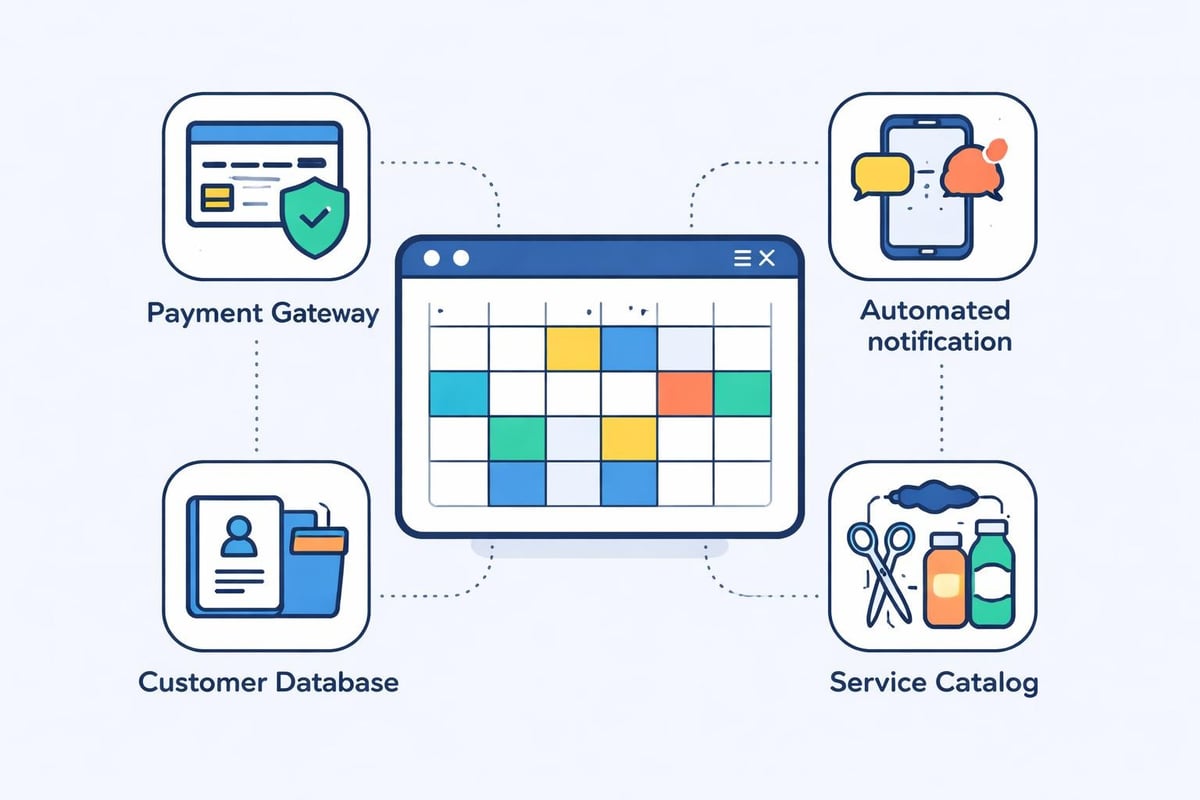
Before diving into the technical aspects, identify the essential elements that separate effective booking websites from basic online brochures. Your platform must include real-time availability display, secure payment processing, automated confirmation systems, and mobile responsiveness as non-negotiable features.
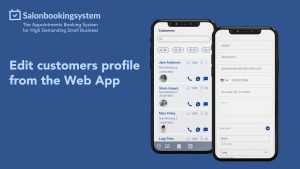
Service management capabilities allow you to list treatments with descriptions, durations, and pricing. Staff assignment features enable clients to select specific stylists or technicians. Calendar synchronization prevents double-bookings across multiple platforms. Customer profile systems store preferences and appointment history for personalized service.
Additional critical components include:
- Email and SMS notification systems for confirmations and reminders
- Cancellation and rescheduling policies with automated enforcement
- Waitlist management for popular time slots
- Gift certificate and package booking options
- Integration with existing business management tools
Selecting Your Platform and Technology Stack
The decision to build a booking website starts with choosing between custom development, website builders with booking plugins, or dedicated booking platforms. Each approach offers distinct advantages depending on your technical expertise, budget, and customization needs.
| Approach | Best For | Typical Cost | Time to Launch |
|---|---|---|---|
| Custom Development | Large multi-location operations | $10,000-$50,000 | 3-6 months |
| Website Builder + Plugin | Small salons with basic needs | $200-$800/year | 1-2 weeks |
| Dedicated Booking Platform | Single or small chain salons | $50-$300/month | 1-3 days |
| Hybrid Solution | Growing businesses needing flexibility | $1,000-$5,000 initial | 2-4 weeks |
Dedicated booking platforms offer the fastest path to market. These systems provide pre-built functionality specifically designed for appointment-based businesses. When you build a booking website using specialized software, you benefit from industry-specific features developed through years of salon owner feedback.
Evaluating Platform Capabilities
Technical requirements extend beyond basic calendar functionality. Your chosen platform must handle complex scheduling rules such as buffer times between appointments, staff-specific availability patterns, and service-dependent booking windows. Processing time requirements vary significantly between a 15-minute haircut consultation and a 4-hour color correction treatment.
Payment processing integration deserves careful consideration. The system should support deposits, full prepayment, and pay-later options. According to industry data, salons requiring deposits experience 42% fewer no-shows compared to those accepting bookings without financial commitment.
Designing for Conversion and User Experience
The visual design and user interface of your booking website directly impact conversion rates. Research shows that 38% of users will stop engaging with a website if the layout is unattractive or difficult to navigate. When you build a booking website, prioritize clarity and simplicity over elaborate aesthetics.
Optimizing the Booking Flow
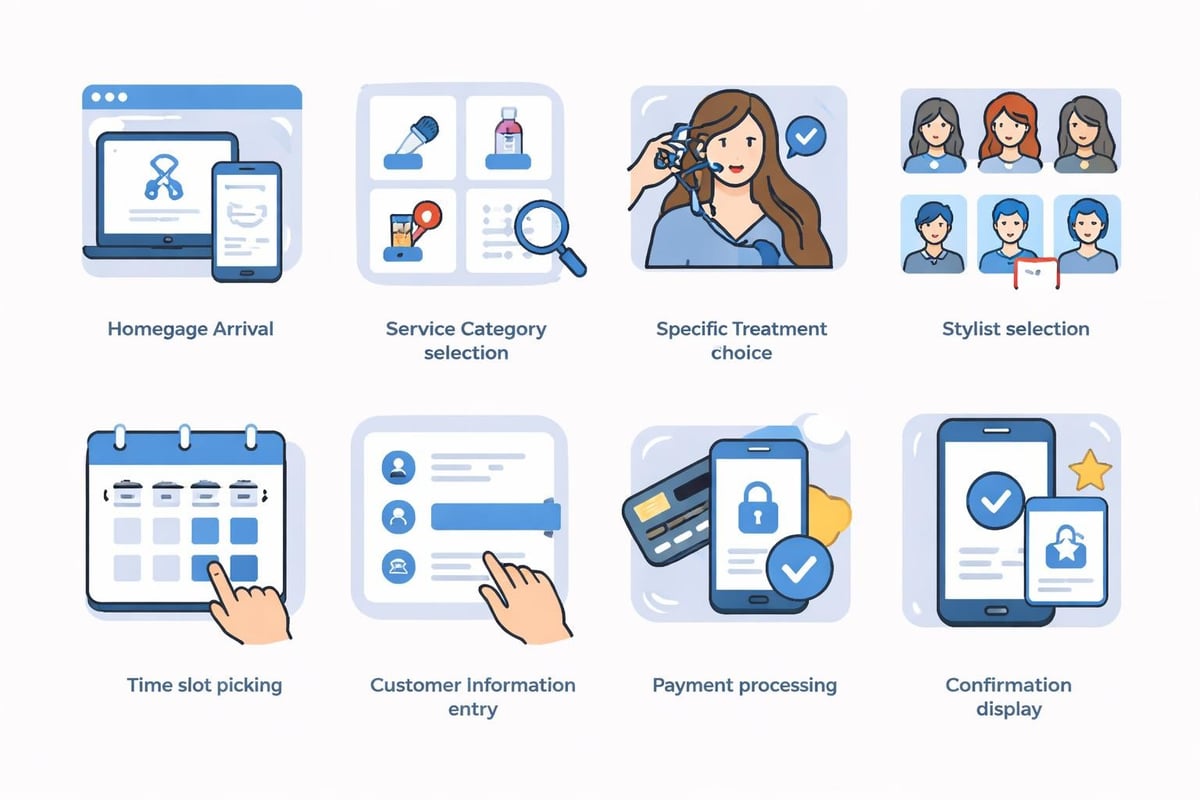
The path from landing page to confirmed appointment should require minimal clicks and decisions. Industry best practices suggest a three-step maximum: service selection, time selection, and information confirmation. Each additional step in the booking process reduces completion rates by approximately 10%.
Visual hierarchy guides users naturally through the booking process. High-contrast buttons for primary actions, clear service categories, and prominent availability displays reduce cognitive load. Mobile users represent 60% of online booking traffic for salons, making thumb-friendly button sizes and vertical scrolling layouts essential.
Effective booking websites incorporate these design elements that improve conversion:
- Prominent "Book Now" calls-to-action above the fold
- Service images showing results rather than process
- Real-time availability indicators creating urgency
- Trust signals including reviews, certifications, and secure payment badges
- Progress indicators showing booking completion status
- Guest checkout options eliminating account creation barriers
Creating Compelling Service Descriptions
Service listings must balance technical accuracy with benefit-focused language. Rather than simply stating "Women's Haircut – 45 minutes – $65," describe the experience: "Precision Haircut with Style Consultation – Includes shampoo, expert cutting, and personalized styling advice – 45 minutes – $65."
Price transparency builds trust and reduces pre-appointment inquiries. Display all costs including optional add-ons, service upgrades, and applicable fees. Hidden pricing or "contact for quote" language increases bounce rates by up to 28% according to conversion research.
Implementing Advanced Scheduling Features
As you build a booking website beyond basic functionality, advanced scheduling capabilities differentiate your platform from competitors. Resource management becomes critical for salons with multiple treatment rooms, specialized equipment, or varied staff skill levels.
Staff and Resource Allocation
Sophisticated booking systems assign appointments based on staff availability, skill certifications, and customer preferences. A colorist specializing in balayage shouldn't receive bookings for men's beard trims. When clients book specific stylists, the system must verify that person's schedule rather than general salon availability.
Buffer time management prevents back-to-back scheduling that doesn't account for cleanup, preparation, or running late. A 30-minute service might require a 40-minute calendar block when accounting for consultation time and transition between clients. Automated buffer rules maintain realistic schedules without manual intervention.
Equipment and room scheduling adds another layer of complexity. Salons offering services that require specific chairs, washing stations, or private rooms need inventory management within their booking system. Double-booking a facial room while the equipment is occupied creates operational chaos.
Dynamic Pricing and Promotion Integration
Smart booking websites adjust pricing based on demand patterns, time of day, or booking lead time. Off-peak hour discounts (Tuesday mornings, for example) fill empty appointment slots while maintaining premium pricing for Saturday afternoons. Early-bird specials reward clients who book weeks in advance, improving schedule predictability.
Package deals and membership programs integrate directly into the booking interface. Monthly subscription models offering unlimited blowouts or quarterly color services appeal to regular clients while ensuring predictable revenue. The booking system should recognize membership status and apply appropriate pricing automatically.
Technical Optimization for Performance and Discovery
When you build a booking website, technical infrastructure determines both user experience and search engine visibility. Page load speed directly correlates with conversion rates, with each additional second of loading time reducing bookings by 7% according to web performance studies.
Search Engine Optimization Fundamentals
Salon booking websites must rank for location-based searches like "hair salon near me" or "best colorist in [city]." Technical SEO implementation for booking sites includes structured data markup, mobile-first indexing compliance, and local business schema.
Content strategy extends beyond service pages. Educational blog posts addressing common hair care questions, styling tutorials, and trend discussions build topical authority. When potential clients search "how to maintain balayage between appointments," your website should provide valuable answers while naturally leading to booking options.
Local SEO tactics include:
- Google Business Profile optimization with booking link integration
- Location-specific landing pages for multi-location salons
- Customer review generation and response systems
- Local directory and citation consistency
- Geographic keyword integration in service descriptions
Security and Compliance Requirements
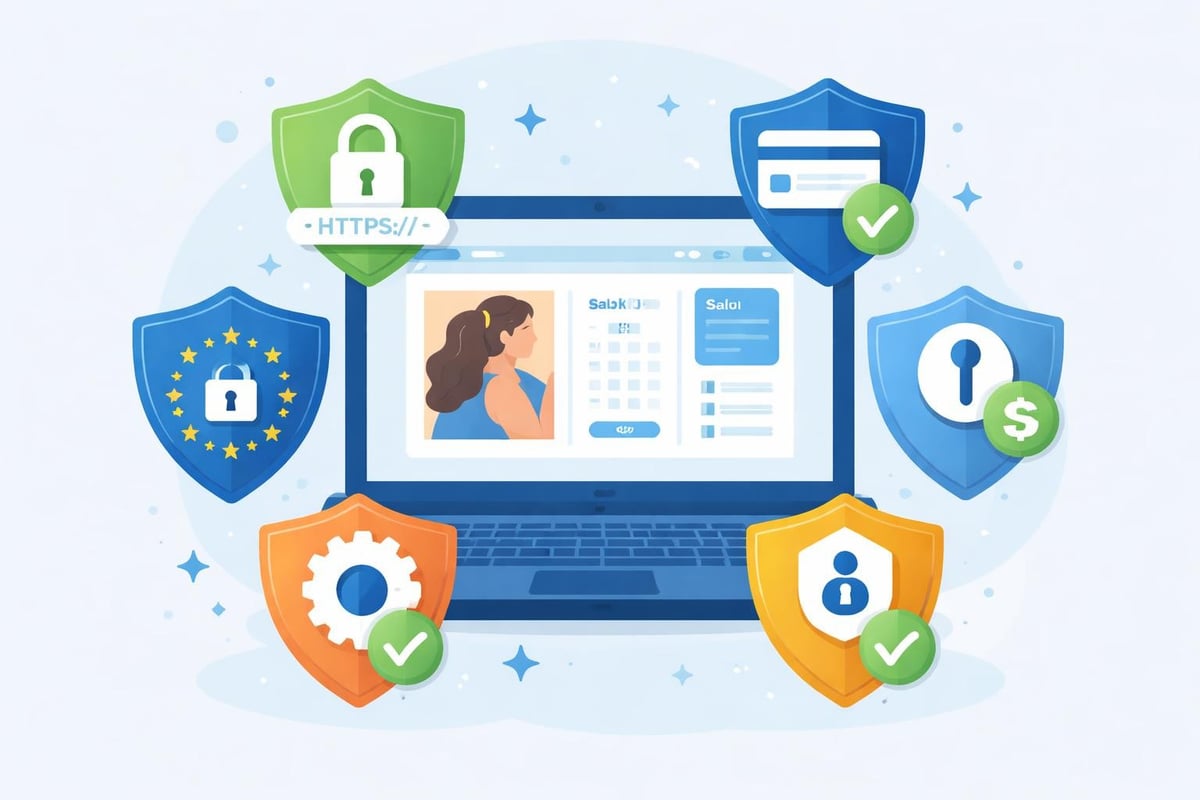
Booking websites collect sensitive personal information and payment data, creating significant security responsibilities. PCI DSS compliance for payment processing isn't optional. SSL certificates encrypt data transmission between customer browsers and your servers, indicated by the padlock icon in the address bar.
GDPR and data privacy regulations apply to any business collecting customer information, regardless of location. Your booking website must include clear privacy policies, cookie consent mechanisms, and data retention procedures. Customers have the right to access, modify, or delete their stored information upon request.
Regular security updates and vulnerability patches protect against emerging threats. Outdated booking software creates entry points for data breaches that damage both customer trust and business reputation. Automated update systems or managed hosting services maintain security without requiring constant attention.
Integration with Business Operations
An effective booking website functions as part of your broader business ecosystem rather than operating in isolation. When you build a booking website with integration capabilities, you create seamless data flow between systems that eliminates duplicate entry and synchronization errors.
Point of Sale and Inventory Connections
Product retail represents significant revenue for many salons. Booking system integration with point-of-sale software enables stylists to recommend and sell products during appointments while maintaining accurate inventory levels. When a colorist uses three tubes of specific toner during a service, automated inventory deduction triggers reorder alerts.
Customer purchase history informs future recommendations. If a client bought purple shampoo six weeks ago, the booking system can trigger automated reminders about reordering when they schedule their next appointment. This integration transforms the booking platform into a revenue generation tool beyond appointment management.
Marketing Automation and Customer Retention
Email marketing integration allows targeted campaigns based on booking behavior. Clients who haven't scheduled appointments in 8 weeks receive different messaging than regular monthly visitors. Birthday promotions, seasonal service suggestions, and loyalty rewards flow automatically based on customer data stored in the booking system.
Referral program management incentivizes existing clients to recommend your salon. When someone books through a referral link, both the referring client and new customer receive credits or discounts applied automatically to future appointments. Tracking referral sources identifies your most valuable brand advocates.
| Integration Type | Business Impact | Implementation Complexity |
|---|---|---|
| Email Marketing | 35% increase in rebooking rates | Low – Most platforms offer native integration |
| Point of Sale | 22% boost in product sales | Medium – Requires compatible systems |
| Accounting Software | 15 hours/month saved on bookkeeping | Medium – API connections needed |
| Social Media | 40% more discovery through booking buttons | Low – Simple link embedding |
| Review Platforms | 3x more online reviews | Low – Automated request triggers |
Mobile Optimization and App Considerations
Mobile devices account for 73% of salon booking traffic in 2026, making mobile optimization non-negotiable. When you build a booking website, responsive design ensures functionality across screen sizes, but native mobile apps offer additional advantages for customer engagement.
Progressive Web Apps vs Native Applications
Progressive Web Apps (PWAs) combine website accessibility with app-like functionality. Clients can add your booking interface to their phone home screens without downloading from app stores. Push notifications remind customers about upcoming appointments or alert them to last-minute availability.
Native iOS and Android applications provide deeper device integration, including calendar synchronization, location-based reminders, and enhanced offline functionality. Development and maintenance costs run significantly higher than PWAs, making them appropriate for larger salon chains rather than independent operators.
Mobile booking optimization requires touch-friendly interface elements, simplified forms with autocomplete functionality, and payment methods including digital wallets like Apple Pay and Google Pay. Typing credit card numbers on smartphone keyboards creates friction that mobile payment options eliminate.
Analytics and Continuous Improvement
Data analysis transforms your booking website from a static tool into an evolving asset that improves over time. Comprehensive analytics reveal which services generate the most bookings, what times remain consistently empty, and where potential customers abandon the booking process.
Key Performance Metrics to Monitor
Conversion rate measures the percentage of website visitors who complete bookings. Industry benchmarks suggest healthy salon booking websites convert 8-12% of traffic. Lower rates indicate problems with user experience, pricing presentation, or trust signals. Higher conversion rates might signal opportunities to increase pricing or expand capacity.
Booking abandonment analysis identifies friction points in your scheduling process. If 40% of users select services and times but don't complete customer information forms, the form requires simplification. High abandonment at payment processing suggests concerns about security or sticker shock from unexpected fees.
Essential metrics include:
- Average booking value and revenue per appointment
- Most and least popular services by booking volume
- Peak booking times and underutilized availability
- Customer acquisition cost by traffic source
- Rebooking rates and customer lifetime value
- Mobile vs desktop conversion rate comparison
- Service discovery paths showing how clients find specific treatments
A/B Testing for Optimization
Systematic testing of different booking website elements reveals what drives better results for your specific audience. Test variations of service descriptions, pricing displays, color schemes, and call-to-action button text. Change one element at a time to isolate what creates improvement.
Photo quality significantly impacts booking rates for appearance-focused services. Testing before-and-after images versus process shots versus stylist portraits determines what resonates with your target market. Some audiences respond better to aspirational transformation imagery while others prefer seeing the professional and equipment they'll encounter.
Payment Processing and Financial Considerations
When you build a booking website, payment processing integration affects both customer convenience and your cash flow management. The choice between requiring deposits, full prepayment, or allowing pay-at-appointment carries strategic implications for no-show rates, revenue predictability, and customer barriers.
Deposit Strategies and No-Show Prevention
Research consistently demonstrates that financial commitment reduces appointment abandonment. Salons requiring 50% deposits experience no-show rates around 5-8%, compared to 20-25% for those accepting bookings without payment. The deposit amount should balance deterrence against creating excessive booking friction.
Variable deposit policies match risk to service type. Quick services like men's haircuts might require no advance payment while extensive color corrections requiring hours of stylist time and expensive product warrant full prepayment. Secure payment processing builds customer confidence in providing financial information during booking.
Cancellation policy enforcement through automated systems protects against revenue loss while maintaining fair customer treatment. Clearly communicated policies (48-hour cancellation notice retains deposit, 24-hour notice forfeits 50%, no-show forfeits 100%) set expectations upfront. Automated enforcement removes awkward conversations and ensures consistency.
Payment Gateway Selection
Payment processor fees range from 2.5% to 3.5% plus per-transaction charges. Beyond cost, evaluate factors including payout schedules (daily, weekly, monthly), international payment support for tourist-heavy locations, and integration quality with your booking platform.
Multiple payment method support reduces booking abandonment. Credit and debit cards remain standard, but digital wallet adoption grows annually. Buy-now-pay-later services appeal to clients booking expensive packages by spreading payments across months without requiring credit checks.
Accessibility and Inclusive Design
Building booking websites that serve all potential customers including those with disabilities isn't just ethical-it's legally required under ADA regulations and expands your addressable market. Approximately 15% of the global population experiences some form of disability, representing significant booking volume if your website accommodates their needs.
WCAG Compliance Standards
Web Content Accessibility Guidelines (WCAG) provide technical standards for accessible websites. Level AA compliance represents the recommended target, ensuring features like screen reader compatibility, keyboard-only navigation, sufficient color contrast, and text resizing without layout breaking.
Form accessibility particularly impacts booking completion. Clear label associations with input fields, error message clarity, and logical tab order enable assistive technology users to complete reservations independently. Placeholder text shouldn't replace proper labels since screen readers may not announce placeholder content.
Visual accessibility requirements include:
- Minimum 4.5:1 contrast ratio between text and backgrounds
- Text alternatives for all images and icons
- Video captions for promotional or instructional content
- Resizable text up to 200% without horizontal scrolling
- Focus indicators showing keyboard navigation position
- Descriptive link text instead of "click here" phrases
Legal Considerations and Terms of Service
When you build a booking website, you create contractual relationships with customers through terms of service, privacy policies, and booking agreements. These legal documents protect your business while establishing clear expectations for both parties.
Terms and Conditions Development
Comprehensive terms of service address appointment scheduling rules, cancellation policies, late arrival handling, payment terms, liability limitations, and dispute resolution procedures. While templates provide starting points, consultation with legal professionals ensures compliance with local regulations and industry-specific requirements.
Privacy policy requirements explain what customer data you collect, how you use it, who you share it with, and how long you retain it. Cookie consent mechanisms allow visitors to understand and control tracking technologies. Failure to provide clear privacy information violates regulations including GDPR, CCPA, and similar frameworks worldwide.
Liability waivers for services carrying inherent risks (chemical processes, certain treatments) require careful drafting. Courts scrutinize exculpatory clauses, particularly when services involve health and safety considerations. Balance protection against appearing to disclaim responsibility for negligence.
Building an effective booking website requires careful attention to user experience, technical performance, security, and business integration. The right platform transforms how salon professionals manage appointments while providing clients with convenient, 24/7 booking access that matches modern expectations. Salon Booking System delivers comprehensive scheduling functionality designed specifically for beauty professionals, combining intuitive booking interfaces with powerful management tools including automated notifications, flexible payment processing, and advanced scheduling rules that have served salon owners successfully since 2016.