Salons and beauty businesses face unique scheduling challenges that traditional appointment methods simply cannot address. Between managing multiple stylists, coordinating complex services, processing payments, and keeping clients informed, the administrative burden can quickly overwhelm even the most organized teams. A booking appointment plugin offers a transformative solution by automating these processes while providing clients with the convenient, 24/7 access they expect in 2026. For salon owners evaluating their options, understanding the core capabilities, security considerations, and implementation strategies becomes essential to making an informed decision that drives both operational efficiency and client satisfaction.
Essential Features That Define Effective Appointment Scheduling
When evaluating a booking appointment plugin, salon owners must prioritize features that directly address their operational needs. The difference between a basic scheduling tool and a comprehensive solution lies in how well it handles the complexities unique to beauty businesses.
Calendar Management and Staff Coordination
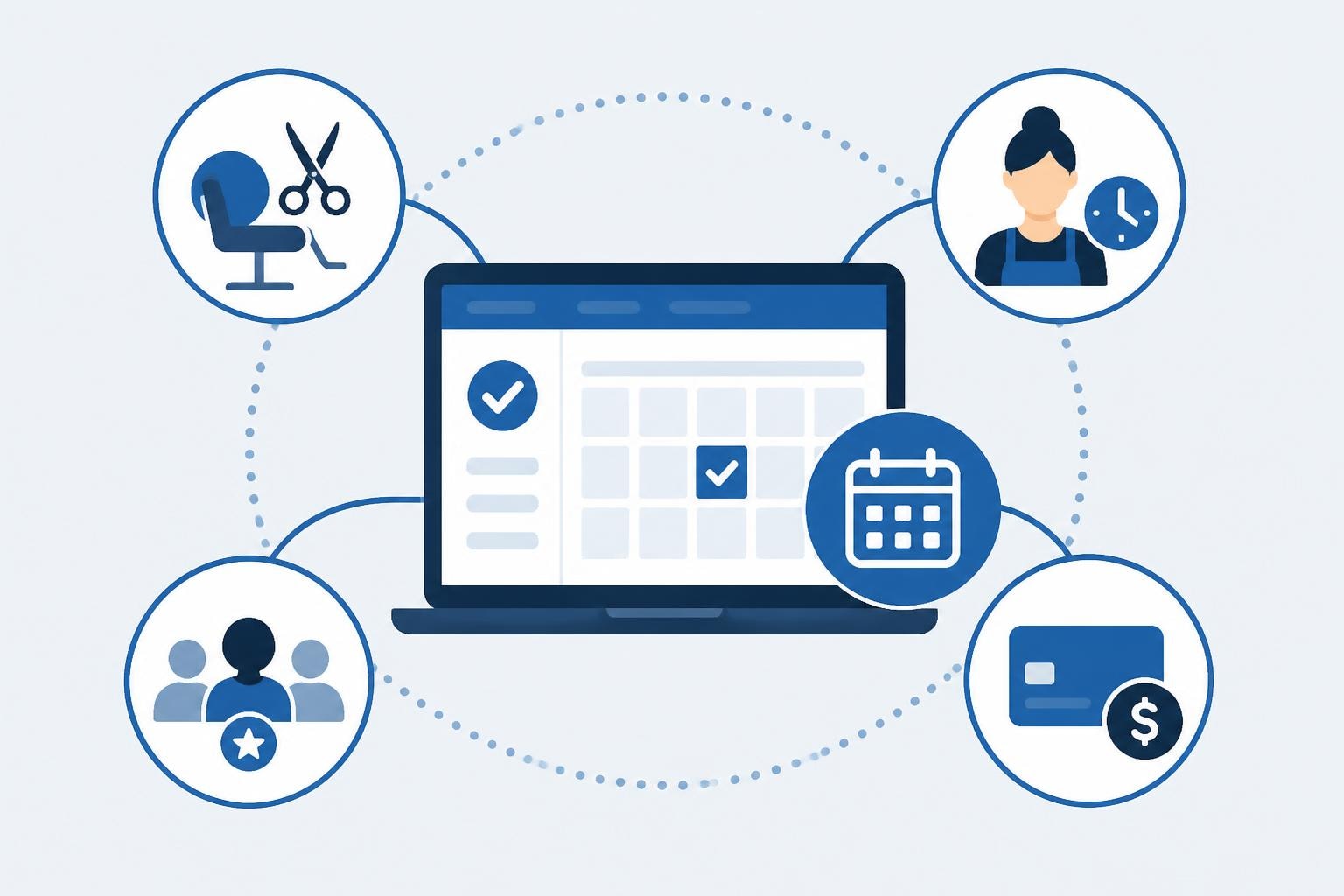
Modern booking systems must handle multiple service providers simultaneously while preventing double-bookings and scheduling conflicts. Staff calendar synchronization ensures that each stylist, colorist, or aesthetician maintains their own availability while contributing to a unified booking experience.
- Individual staff schedules with custom availability settings
- Service duration management that accounts for setup and cleanup time
- Buffer time configuration between appointments to prevent rushed services
- Multi-location support for salon chains or businesses with multiple sites
- Real-time availability updates that reflect cancellations and last-minute changes
A quality booking appointment plugin integrates these elements seamlessly, reducing administrative overhead by up to 70% according to industry benchmarks from the Professional Beauty Association.
Client Communication and Notification Systems
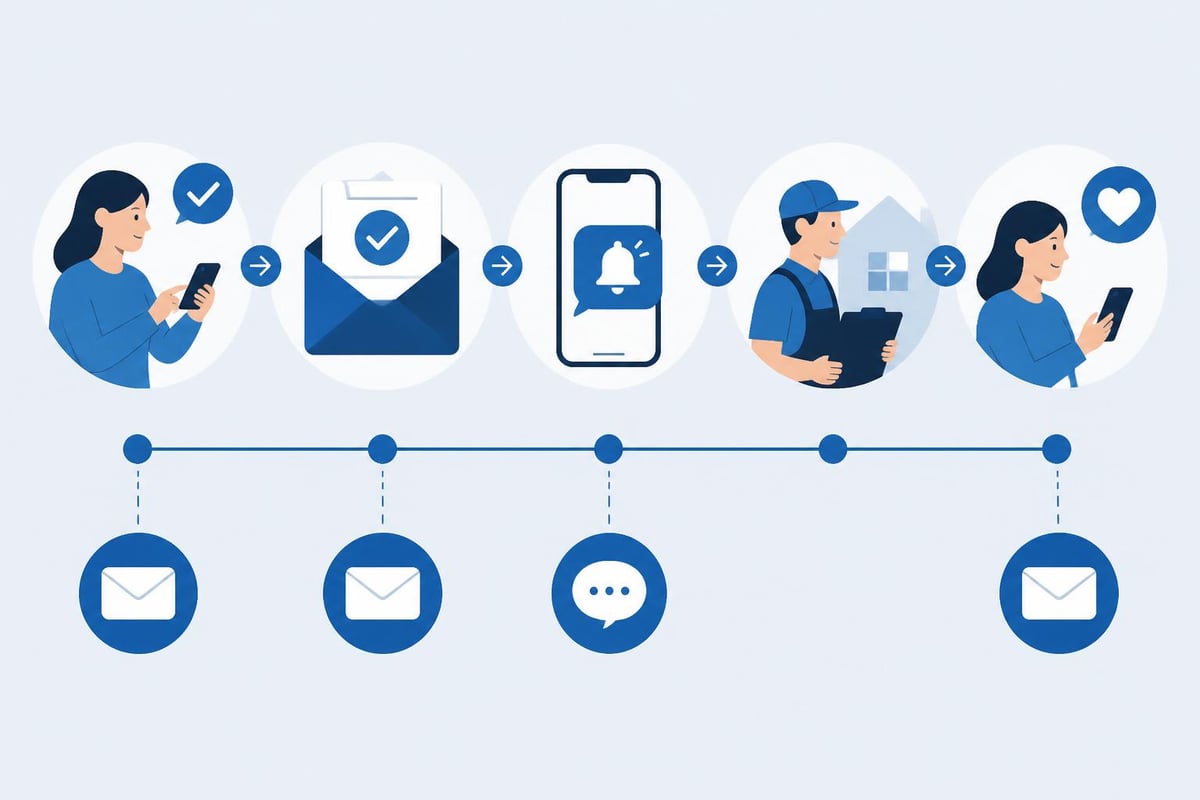
Automated notifications represent one of the most valuable features in reducing no-shows, which cost U.S. salons an estimated $1.2 billion annually in lost revenue. Strategic communication keeps appointments top-of-mind while demonstrating professionalism.
| Notification Type | Optimal Timing | Purpose |
|---|---|---|
| Confirmation | Immediate | Reassure client booking is secured |
| Reminder (First) | 48 hours before | Reduce no-show probability |
| Reminder (Second) | 24 hours before | Final confirmation opportunity |
| Follow-up | 24 hours after | Encourage rebooking and reviews |
The most effective systems offer customizable templates that maintain your brand voice while automating these touchpoints across email and SMS channels.
Payment Processing and Financial Integration
Accepting deposits and processing payments directly through your booking appointment plugin dramatically reduces no-shows while improving cash flow. Research from Square indicates that requiring even a small deposit (20-30% of service cost) reduces no-shows by 85%.
Key payment capabilities include:
- Deposit collection at time of booking
- Full payment processing for prepaid services
- Multiple payment method support (credit cards, digital wallets, ACH)
- Automated refund handling based on cancellation policies
- Financial reporting that tracks revenue by service, stylist, and time period
Integration with accounting software like QuickBooks or Xero streamlines financial management, eliminating the manual data entry that consumes valuable administrative time.
Security Considerations When Selecting Booking Solutions
The beauty industry increasingly faces cybersecurity challenges as booking systems store sensitive client information including contact details, payment data, and service histories. Recent vulnerability disclosures underscore the critical importance of security in plugin selection.
Understanding Common Vulnerabilities
Several high-profile security vulnerabilities in booking plugins have emerged in recent years, highlighting the risks of inadequate security measures. SQL injection vulnerabilities, authorization bypass issues, and cross-site scripting (XSS) attacks represent the most common threat vectors.
For instance, authorization bypass vulnerabilities can allow unauthorized users to access or modify appointment data, potentially exposing client information or manipulating bookings. Similarly, stored XSS vulnerabilities enable attackers to inject malicious code that executes when legitimate users access the system.
Essential Security Features
When evaluating booking appointment plugin options, salon owners should verify the following security measures:
- Regular security audits conducted by independent third parties
- Prompt vulnerability patching with a documented update schedule
- Data encryption both in transit (SSL/TLS) and at rest
- Role-based access controls limiting staff permissions appropriately
- PCI DSS compliance for payment processing
- Two-factor authentication for administrative access
- Automatic backup systems with secure, off-site storage
A survey by Cybersecurity Ventures projects that cybercrime will cost businesses $10.5 trillion annually by 2025, making security a non-negotiable consideration rather than an optional feature.
Compliance and Data Protection
Beyond technical security measures, your booking appointment plugin must support compliance with relevant data protection regulations. For U.S.-based salons, this includes proper handling of customer information under state privacy laws, while businesses serving international clients must consider GDPR requirements.
Compliance checklist:
- Clear data retention policies that delete old records appropriately
- Client consent mechanisms for marketing communications
- Data export capabilities allowing clients to request their information
- Transparent privacy policies accessible during booking
- Secure data deletion procedures for client requests
Implementation Strategies for Maximum Adoption
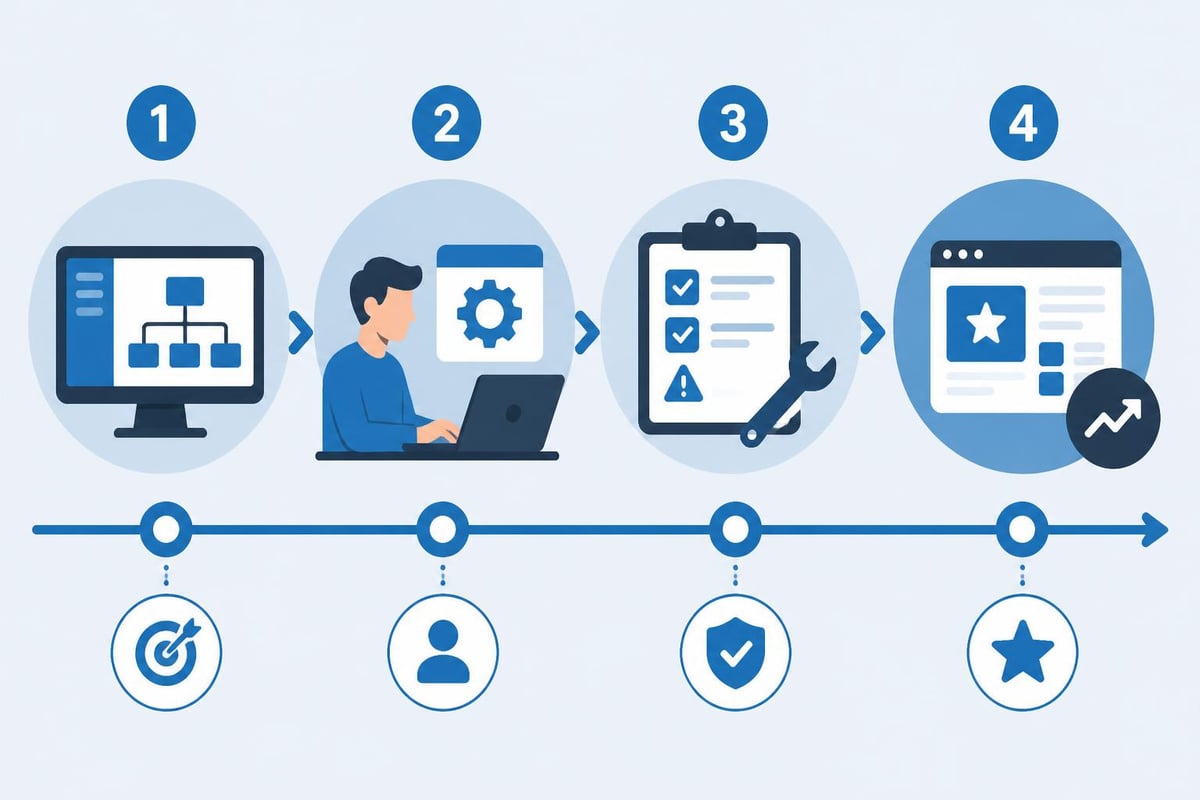
Selecting the right booking appointment plugin represents only half the equation. Successful implementation requires strategic planning, staff training, and client education to achieve meaningful adoption rates.
Staff Training and Change Management
Resistance to new systems represents the primary obstacle to successful technology adoption. Research from the Project Management Institute indicates that 70% of organizational change initiatives fail due to employee resistance and lack of management support.
| Training Phase | Duration | Key Focus Areas |
|---|---|---|
| System Overview | 1 hour | Navigation, core features, benefits |
| Hands-On Practice | 2 hours | Creating bookings, managing calendar, processing payments |
| Troubleshooting | 1 hour | Common issues, client questions, escalation procedures |
| Advanced Features | 1 hour | Reporting, customization, optimization strategies |
Providing ongoing support through quick reference guides, video tutorials, and designated "super users" within your team ensures confidence and competency as staff members navigate the new system.
Client Migration and Communication
Transitioning existing clients from phone bookings or other scheduling methods requires clear communication about benefits and easy-to-follow instructions. A phased approach typically yields better results than attempting overnight conversion.
Migration strategy:
- Week 1-2: Announce the new system through email, social media, and in-salon signage
- Week 3-4: Offer dual booking options (online and phone) while encouraging online adoption
- Week 5-6: Provide incentives for first-time online bookings (small discount or loyalty points)
- Week 7+: Make online booking the primary method while maintaining phone support for those who need it
Studies show that providing a small incentive increases new technology adoption rates by 40-60%, making the modest investment worthwhile for long-term efficiency gains.
Integration with Existing Business Systems
Your booking appointment plugin should function as part of a broader technology ecosystem rather than an isolated tool. Strategic integrations amplify efficiency and data accuracy across your entire operation.
Critical integration points include:
- Point-of-sale systems for unified client records and purchase history
- Email marketing platforms for automated campaigns and segmentation
- Customer relationship management (CRM) tools for comprehensive client profiles
- Inventory management systems for product availability tracking
- Accounting software for financial reconciliation and reporting
According to research from McKinsey & Company, businesses that successfully integrate their technology stack achieve 20-30% higher operational efficiency compared to those using disconnected systems.
Advanced Features That Differentiate Premium Solutions
While basic booking capabilities meet fundamental needs, advanced features separate premium booking appointment plugin options from entry-level alternatives. These capabilities deliver measurable competitive advantages for growth-oriented salons.
Intelligent Scheduling and Resource Optimization
Artificial intelligence and machine learning algorithms now power sophisticated scheduling optimization that maximizes stylist utilization while minimizing client wait times. These systems analyze historical booking patterns, service durations, and client preferences to suggest optimal appointment slots.
Optimization capabilities:
- Dynamic pricing that adjusts rates based on demand, time of day, or stylist experience level
- Automatic waitlist management that fills cancellations from interested clients
- Service bundling recommendations that increase average ticket value
- Peak time identification helping staff planning and promotional timing
- Predictive analytics forecasting busy periods for proactive staffing decisions
Salons implementing dynamic pricing report revenue increases of 15-25% during traditionally slower periods while maintaining full booking during peak times.
Customization and Branding Options
Your booking interface represents an extension of your brand experience. A white-label booking appointment plugin that reflects your salon's aesthetic creates consistency across all client touchpoints.
| Customization Element | Brand Impact | Client Perception |
|---|---|---|
| Custom color scheme | High | Professional, cohesive |
| Logo integration | High | Branded, trustworthy |
| Custom domain | Medium | Established, legitimate |
| Personalized messaging | Medium | Attentive, client-focused |
| Service descriptions | Low | Informative, transparent |
Beyond aesthetics, customization extends to booking rules, cancellation policies, and service configurations that align with your specific business model and client expectations.
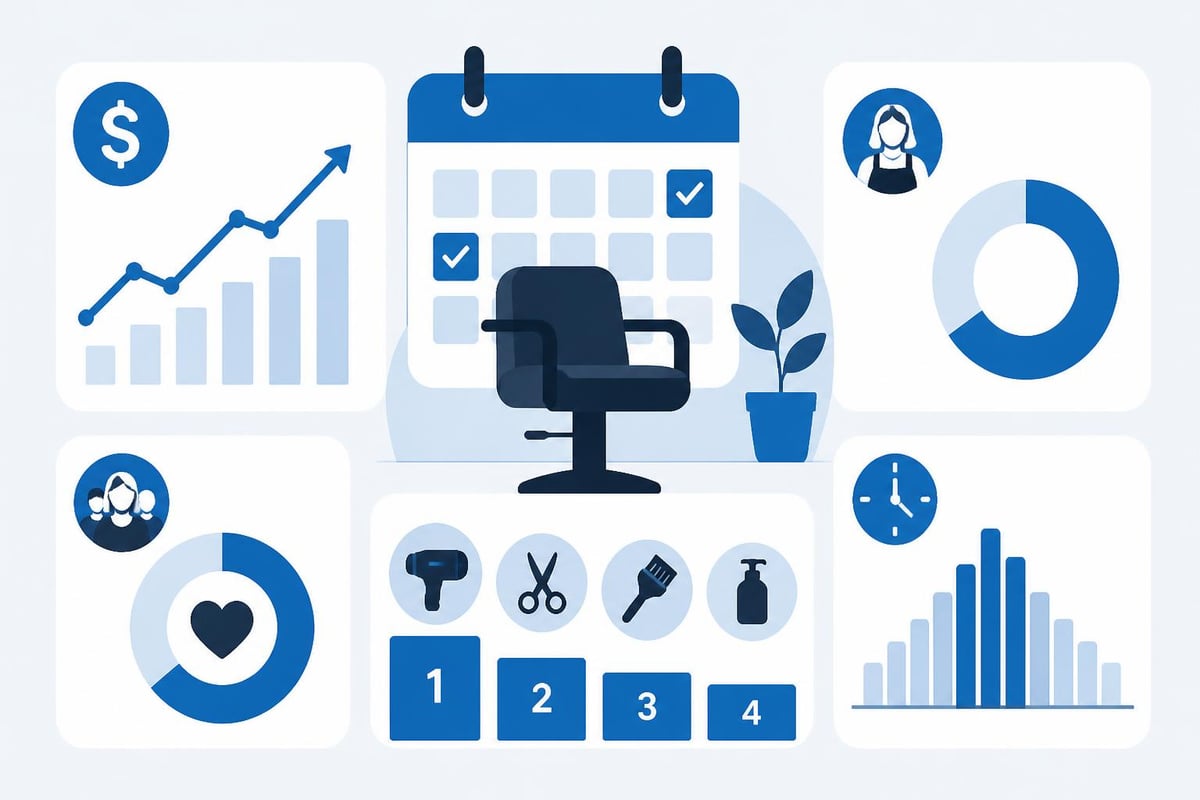
Reporting and Business Intelligence
Data-driven decision making separates thriving salons from struggling competitors. Comprehensive reporting transforms appointment data into actionable insights that guide strategic planning.
Essential reports include:
- Revenue analysis by service, stylist, and time period
- Utilization rates showing stylist productivity and capacity
- Client retention metrics tracking rebooking rates and lifetime value
- Popular services identifying growth opportunities and declining offerings
- Peak time analysis optimizing staffing and promotional strategies
- Cancellation patterns revealing opportunities to reduce no-shows
According to the National Cosmetology Association, salons that regularly review performance metrics achieve 35% higher year-over-year growth compared to those relying on intuition alone.
Comparing Popular Booking Appointment Plugin Options
The marketplace offers numerous booking solutions, each with distinct strengths, limitations, and ideal use cases. Understanding these differences enables informed selection aligned with your specific requirements and budget.
Evaluation Criteria Framework
When comparing WordPress appointment booking plugins or standalone solutions, salon owners should apply consistent evaluation criteria across all candidates.
Primary assessment factors:
- Feature completeness relative to your specific operational needs
- Pricing structure including setup costs, monthly fees, and transaction charges
- Scalability to support business growth and additional locations
- Mobile experience for both clients booking and staff managing schedules
- Support quality including response times, documentation, and training resources
- Security posture with documented vulnerability management and compliance certifications
- Integration capabilities with your existing technology stack
- User reviews from similar businesses in the beauty industry
Creating a weighted scoring matrix with these criteria helps quantify otherwise subjective comparisons, leading to more objective decision-making.
Platform-Specific Considerations
Salons building on WordPress platforms have access to numerous booking appointment plugin options specifically designed for that ecosystem, while others may prefer standalone cloud-based solutions that operate independently of website infrastructure.
WordPress plugins offer deep integration with existing sites and typically lower upfront costs, but require more technical management and security vigilance. Standalone SaaS platforms provide managed hosting, automatic updates, and comprehensive support but usually command higher monthly fees.
Neither approach is inherently superior. The optimal choice depends on your technical capabilities, existing infrastructure, and willingness to manage updates versus preferring fully-managed solutions.
Maximizing Return on Investment
Implementing a booking appointment plugin represents a significant investment of both financial resources and staff time. Strategic approaches maximize value realization and accelerate payback periods.
Measuring Success Metrics
Establishing baseline metrics before implementation enables accurate ROI calculation and performance tracking. Key performance indicators should align with your primary business objectives.
Critical ROI metrics:
| Metric | Baseline | Target Improvement | Business Impact |
|---|---|---|---|
| No-show rate | 15-20% | Below 5% | Direct revenue recovery |
| Administrative hours | 15-20/week | Under 5/week | Labor cost reduction |
| Average booking value | Current | 20% increase | Revenue growth |
| Client retention | Current | 15% improvement | Lifetime value increase |
| New client acquisition | Current | 25% growth | Market expansion |
Quarterly reviews of these metrics reveal trends, validate the investment, and identify optimization opportunities that further enhance performance.
Ongoing Optimization Strategies
Technology implementation is not a one-time event but an ongoing process of refinement and enhancement. Continuous improvement approaches yield compounding benefits over time.
- Regular feature reviews to identify underutilized capabilities worth exploring
- Client feedback collection revealing pain points and enhancement opportunities
- Competitor analysis ensuring your booking experience remains competitive
- A/B testing of booking flows, confirmation messages, and reminder timing
- Staff input sessions gathering frontline insights about system strengths and limitations
Salons that treat their booking appointment plugin as a dynamic tool requiring active management achieve 40-50% better results than those adopting a "set and forget" mentality.
Leveraging Automation for Growth
The most successful salons use their booking systems not merely for scheduling but as comprehensive client relationship management platforms that drive retention and revenue growth.
Advanced automation strategies:
- Birthday campaigns offering special promotions during clients' birthday month
- Service reminder sequences prompting rebooking based on typical service intervals
- Abandoned booking recovery following up when clients start but don't complete reservations
- Review requests automatically sent after positive service experiences
- Referral incentives rewarding clients who refer new customers
- Loyalty program integration tracking visits and offering tiered rewards
According to research from Harvard Business Review, increasing customer retention rates by just 5% increases profits by 25-95%, making these automated relationship-building capabilities among the most valuable features a booking appointment plugin can offer.
Selecting and implementing the right booking appointment plugin transforms salon operations from reactive and administrative-heavy to proactive and client-focused. The most successful salons prioritize security, comprehensive features, and seamless integration while maintaining focus on the ultimate goal-delivering exceptional client experiences that drive loyalty and growth. Salon Booking System has helped beauty businesses streamline their appointment scheduling since 2016, offering online payments, automated notifications, and advanced scheduling rules in one user-friendly platform. Explore how our comprehensive solution can reduce no-shows, increase bookings, and give you more time to focus on what you do best-creating beautiful results for your clients.