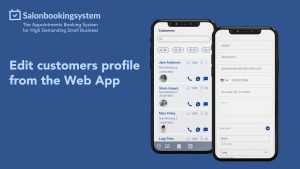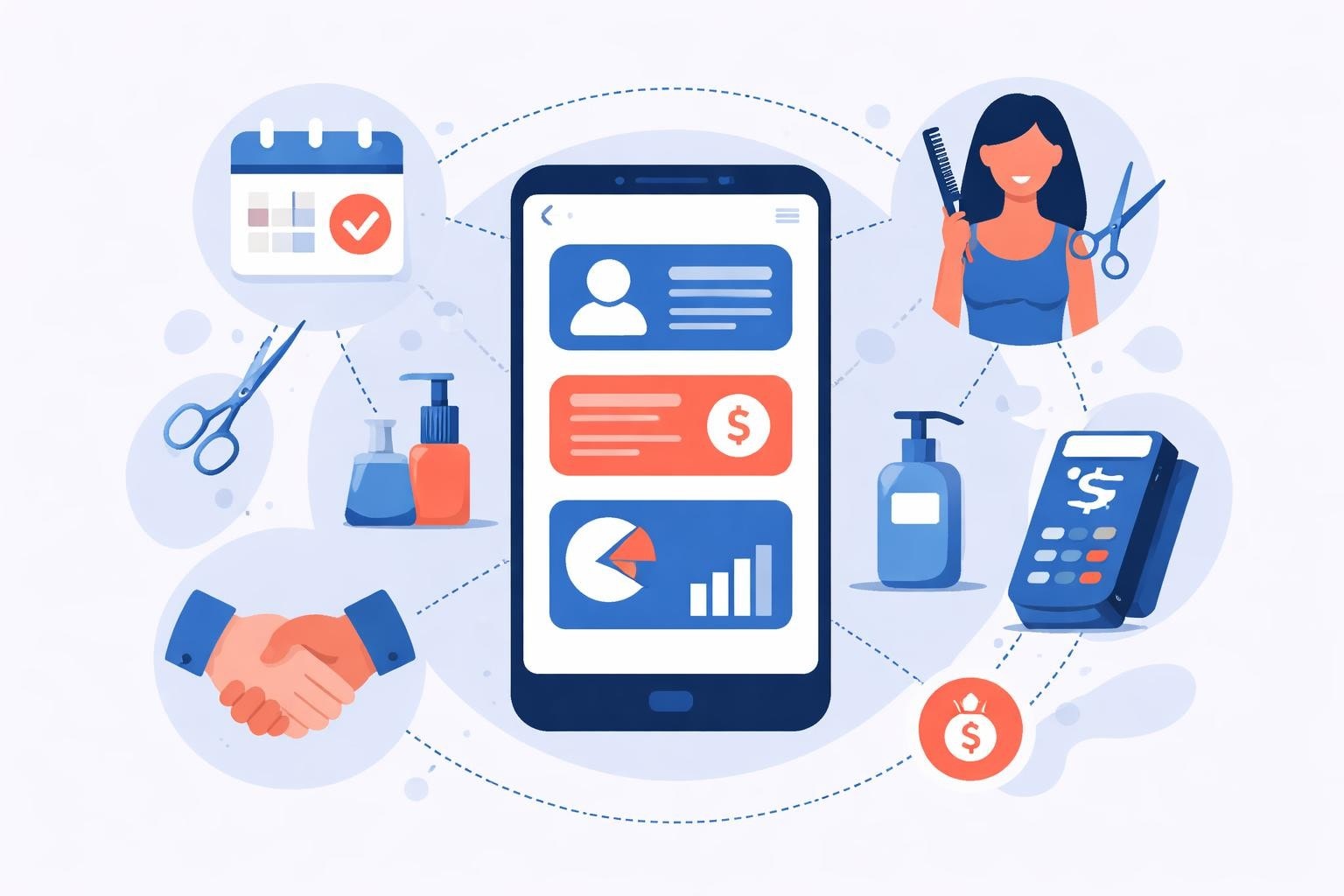
The beauty industry stands at a technological inflection point in 2026. Salon owners, spa managers, and beauty professionals now face unprecedented opportunities to streamline operations, enhance client experiences, and drive revenue through sophisticated digital tools. Beauty software has evolved far beyond simple appointment calendars into comprehensive platforms that integrate scheduling, payments, analytics, and customer relationship management. For salons seeking competitive advantage, understanding and implementing the right technology stack isn't optional-it's essential for survival and growth in an increasingly digital marketplace.
The Evolution of Technology in Beauty Business Management
The beauty industry has experienced remarkable technological transformation over the past decade. According to Statista’s market analysis, the beauty tech market has shown consistent expansion, with digital solutions becoming integral to salon operations. This shift reflects changing consumer expectations and the operational demands of modern beauty businesses.
Beauty software now encompasses multiple categories that serve distinct business needs:
- Appointment scheduling platforms that automate bookings and reduce administrative burden
- Point-of-sale systems integrated with inventory management
- Customer relationship management tools for retention and marketing
- Analytics dashboards that provide actionable business intelligence
- Staff management solutions for scheduling, payroll, and performance tracking
The integration of these systems creates operational efficiency that directly impacts profitability. Salons using comprehensive beauty software report time savings of 15-20 hours per week on administrative tasks alone, freeing staff to focus on revenue-generating activities and client service.
Market Dynamics Driving Software Adoption
The beauty industry’s robust growth trajectory has been amplified by technological innovations. Investment in beauty tech continues to accelerate as businesses recognize that digital infrastructure directly correlates with customer satisfaction and operational margins.
Several market forces are compelling salons to adopt advanced software solutions. Consumer behavior has fundamentally shifted toward mobile-first interactions, with 73% of salon clients preferring to book appointments through digital channels rather than phone calls. Additionally, the expectation for personalized service requires data management capabilities that manual systems simply cannot provide.
Core Features That Define Modern Beauty Software
Effective beauty software delivers measurable value across multiple operational dimensions. The most impactful platforms share several critical capabilities that address the specific challenges beauty professionals face daily.
Intelligent Scheduling and Booking Management
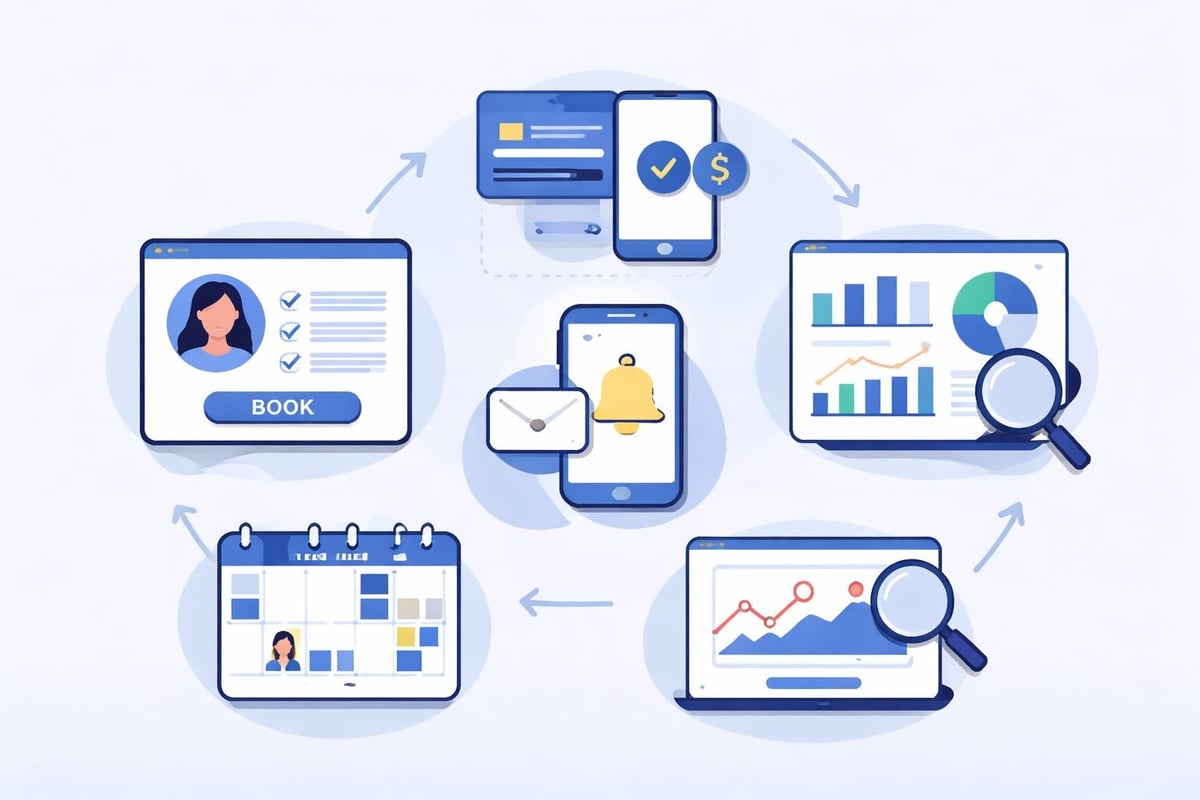
Advanced scheduling functionality forms the foundation of valuable beauty software. Beyond basic calendar management, sophisticated systems incorporate:
Automated booking rules that prevent double-bookings, ensure adequate service spacing, and optimize provider utilization. These rules can account for service duration, setup requirements, and technician-specific constraints.
Real-time availability that synchronizes across multiple channels-website, social media, partner platforms-ensuring clients always see current openings regardless of where they're searching.
Waitlist management that automatically contacts clients when cancellations create availability, reducing lost revenue from unfilled appointment slots.
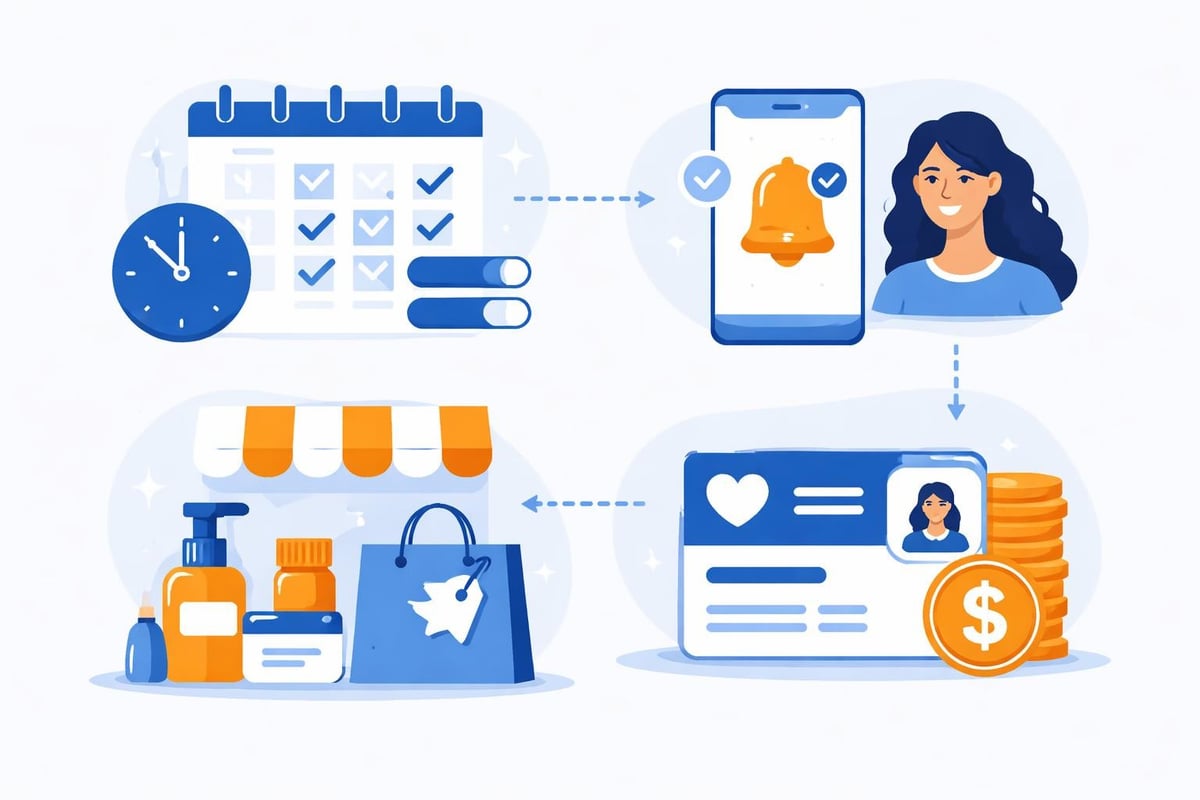
Industry data shows that salons implementing intelligent scheduling systems experience a 32% reduction in no-shows when combined with automated reminder systems. This translates directly to revenue protection and improved resource utilization.
Payment Processing and Financial Management
Integrated payment capabilities within beauty software eliminate friction throughout the customer journey. Modern platforms support:
| Payment Feature | Business Impact | Implementation Priority |
|---|---|---|
| Online pre-payment | 28% reduction in no-shows | High |
| Contactless checkout | Faster transaction processing | High |
| Automated invoicing | 85% reduction in billing errors | Medium |
| Deposit collection | Revenue security for appointments | High |
| Tip processing | Increased staff satisfaction | Medium |
The financial reconciliation capabilities built into quality beauty software save accounting time and reduce errors. Automated end-of-day reporting, integrated tax calculations, and seamless accounting software integration eliminate hours of manual bookkeeping work.
Customer Communication and Relationship Tools
Client retention depends significantly on consistent, timely communication. Beauty software addresses this through automated workflows that maintain engagement without requiring manual intervention.
Appointment reminders sent via SMS and email reduce no-shows while demonstrating professionalism. Systems that allow two-way communication enable clients to confirm, reschedule, or cancel directly from reminder messages, updating the calendar automatically.
Birthday and milestone messaging creates touchpoints that strengthen client relationships. Automated campaigns can include special offers timed to significant dates, driving repeat bookings during typically slower periods.
Review requests deployed immediately after appointments capture positive feedback when client satisfaction is highest, building online reputation through systematic collection rather than random chance.
AI and Advanced Technologies Reshaping Beauty Software
The integration of artificial intelligence into beauty software represents the industry's next evolutionary leap. Beauty technology is optimizing skincare and cosmetic practices through increasingly sophisticated applications that enhance both client experiences and business operations.
Predictive Analytics for Business Optimization
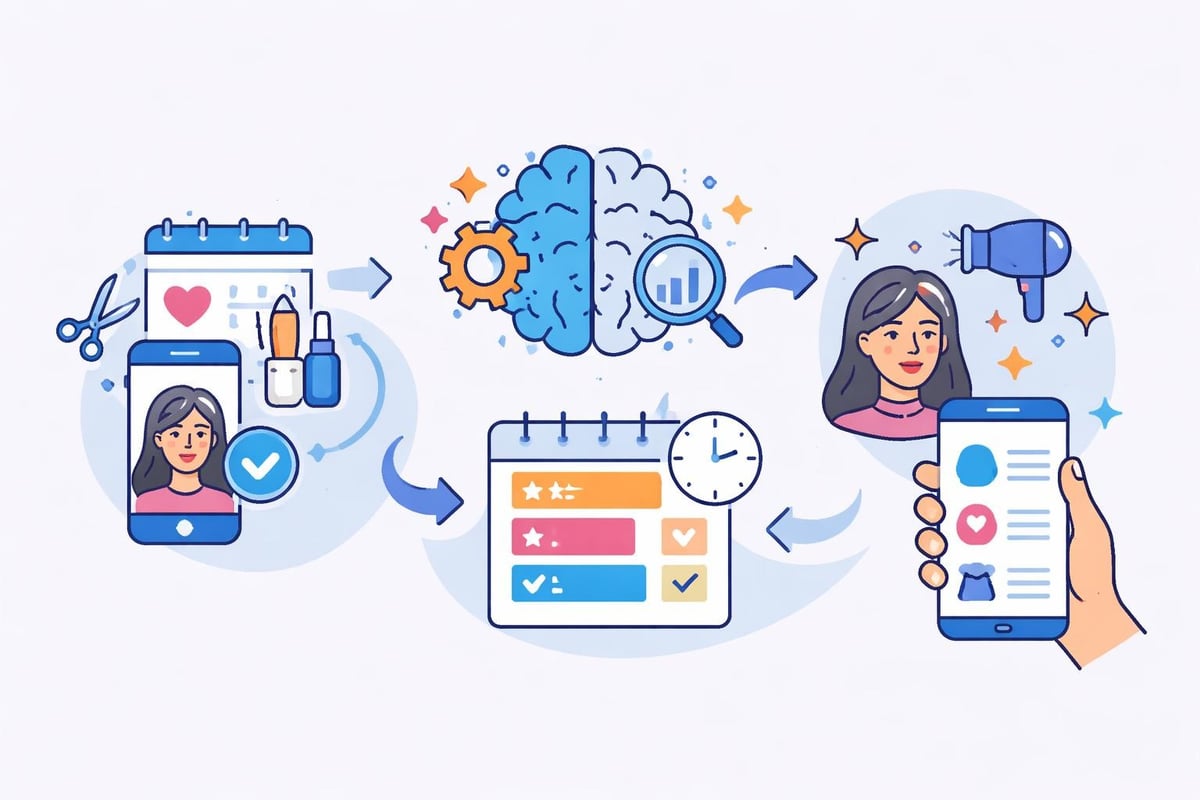
AI-powered analytics within beauty software identify patterns invisible to manual analysis. These systems examine appointment history, service combinations, seasonal trends, and client behavior to generate actionable recommendations.
Predictive models forecast demand fluctuations, enabling proactive staff scheduling that matches capacity to expected volume. This prevents both understaffing that damages service quality and overstaffing that erodes profitability.
Revenue optimization algorithms identify upselling opportunities by analyzing which clients are most likely to purchase specific services or products based on their history and demographic profile. Presenting targeted recommendations at optimal moments increases conversion rates substantially.
Personalization Engines Driving Client Satisfaction
The future of beauty increasingly relies on personalized experiences enabled by sophisticated software systems. Beauty businesses using personalization technology report higher customer lifetime value and retention rates.
Modern beauty software builds comprehensive client profiles that include:
- Complete service history with detailed notes
- Product preferences and allergies
- Preferred technicians and appointment times
- Communication preferences and response patterns
- Purchase behavior and price sensitivity indicators
This data enables hyper-personalized service delivery. Technicians access detailed client information before appointments, ensuring continuity and demonstrating attentiveness that builds loyalty. Marketing campaigns segment automatically based on client characteristics, delivering relevant messages that generate higher engagement than generic broadcasts.
Selecting Beauty Software Aligned With Business Objectives
The beauty software marketplace offers numerous options spanning price points, feature sets, and specializations. Making an informed selection requires systematic evaluation against specific business requirements.
Essential Evaluation Criteria
Begin by documenting current operational pain points and growth objectives. Software selection should address actual needs rather than impressive but irrelevant features.
Scalability ensures the platform grows alongside your business. Systems that accommodate additional locations, staff members, and service complexity prevent costly migrations as operations expand.
Integration capabilities determine how well new software connects with existing tools. Platforms offering APIs and pre-built integrations with accounting software, marketing platforms, and POS systems reduce implementation complexity.
User experience for both staff and clients directly impacts adoption and satisfaction. Intuitive interfaces reduce training requirements and minimize errors, while client-facing booking portals that function smoothly across devices reduce booking abandonment.
Support and training resources vary dramatically between providers. Consider implementation assistance, ongoing technical support, educational materials, and user communities when evaluating options.
Implementation Best Practices
Successful beauty software deployment requires thoughtful planning and execution. Rushing implementation typically results in staff resistance and underutilization of capabilities.
-
Conduct thorough data migration by cleaning existing client information before transfer, eliminating duplicates and correcting errors that would perpetuate into the new system.
-
Develop comprehensive training programs that address different learning styles through written documentation, video tutorials, and hands-on practice sessions.
-
Implement in phases rather than switching everything simultaneously, beginning with core scheduling functions before adding advanced features.
-
Establish feedback mechanisms that capture staff and client experiences during the transition, enabling rapid adjustment to address issues.
-
Monitor key performance indicators to quantify the software's impact on operational efficiency, revenue, and client satisfaction.
Leveraging Beauty Software for Revenue Growth
Technology investments must generate measurable returns. Beauty software creates multiple revenue enhancement opportunities when deployed strategically.
Maximizing Appointment Capacity
Schedule optimization represents one of the most significant revenue drivers from quality beauty software. The platform should minimize gaps between appointments while preventing burnout from unrealistic scheduling.
Automated buffer management ensures adequate time between services for setup, cleanup, and brief breaks that maintain service quality. Configurable rules account for service-specific requirements, such as additional time needed for color processing.
Multi-resource scheduling coordinates appointments requiring multiple staff members or equipment, maximizing utilization of constrained resources while preventing conflicts.
Dynamic pricing capabilities adjust rates based on demand, time of day, or provider expertise, capturing additional revenue during peak periods while filling slower times with discounted offerings.
Data from salons implementing comprehensive scheduling optimization shows average revenue increases of 18-24% within six months, primarily through improved capacity utilization and reduced idle time.
Retail Integration and Upselling
Beauty software that integrates service and retail operations creates seamless upselling opportunities throughout the client journey.
Point-of-sale integration enables technicians to add retail products during service checkout with minimal friction. Systems that track which products were used during services can automatically suggest those items for home care, increasing conversion rates.
Inventory management features prevent stockouts of popular items while identifying slow-moving products that require promotional attention. Automated reorder points ensure consistent product availability without tying up excessive capital in inventory.
| Revenue Strategy | Software Feature | Average Impact |
|---|---|---|
| Service upselling | Client history analysis | 12-15% increase |
| Retail conversion | POS integration | 20-25% increase |
| Membership programs | Automated billing | 30-40% increase |
| Package sales | Bundling tools | 15-20% increase |
Data Security and Compliance Considerations
Beauty businesses collect sensitive client information that requires robust protection. Quality beauty software incorporates security measures addressing regulatory requirements and client trust.
Privacy Regulations and Client Data
Compliance with data protection regulations isn't optional. Beauty software must support adherence to applicable privacy laws through:
Data encryption both in transit and at rest, protecting information from unauthorized access during transmission and storage.
Access controls that limit which staff members can view sensitive client information based on role requirements.
Audit trails documenting who accessed client records and when, enabling accountability and investigation if breaches occur.
Data retention policies that automatically purge outdated information in accordance with regulatory requirements and company policies.
Consent management that tracks client permissions for marketing communications, data sharing, and information storage.
Partnering with beauty software providers who maintain current security certifications and undergo regular third-party audits reduces compliance burden while demonstrating due diligence.
Payment Card Industry Compliance
Handling payment information triggers specific security requirements under Payment Card Industry Data Security Standard (PCI DSS) regulations. The complexity and cost of maintaining compliance independently makes integrated payment processing within beauty software particularly valuable.
Quality platforms offer payment solutions that maintain PCI compliance on behalf of the business, handling sensitive card data without that information touching salon systems. This approach dramatically reduces compliance scope while protecting both business and clients from fraud risk.
Emerging Trends Shaping Beauty Software Development
The beauty software landscape continues evolving rapidly as new technologies mature and client expectations shift. Staying informed about developing trends enables strategic planning and competitive positioning.
Mobile-First Experiences
Beauty trends for 2026 emphasize convenience and accessibility, driving demand for comprehensive mobile functionality. Beauty software increasingly prioritizes mobile experiences for both clients and staff.
Progressive web applications deliver app-like experiences without requiring downloads, reducing friction for occasional users while providing rich functionality for frequent clients. Staff mobile access enables schedule management, client lookup, and basic operations from anywhere, supporting flexibility in work arrangements.
Mobile payment acceptance through smartphone and tablet integrations enables checkout anywhere in the salon, eliminating queues at fixed terminals while supporting personalized service delivery.
Ecosystem Integration and Open Platforms
Modern salons utilize numerous specialized tools for different aspects of operations. Beauty software that functions as a closed system creates data silos and workflow inefficiencies.
The trend toward open platforms with robust integration capabilities enables businesses to assemble best-of-breed technology stacks. Quality beauty software provides APIs and pre-built connections that facilitate data flow between systems, creating unified experiences from disparate tools.
Marketplace models where third-party developers create extensions and integrations expand platform capabilities beyond core providers' development capacity, accelerating innovation and customization possibilities.
Sustainability Tracking and Reporting
Environmental consciousness increasingly influences consumer choices. Beauty software beginning to incorporate sustainability features helps businesses track and communicate their environmental impact.
Product usage monitoring identifies waste reduction opportunities while documenting sustainable practices for marketing purposes. Carbon footprint calculations associated with operations enable businesses to set reduction targets and measure progress.
Digital-first workflows supported by comprehensive beauty software reduce paper consumption through electronic forms, digital receipts, and cloud-based record keeping, aligning operational practices with sustainability values.
Training and Change Management for Software Success
Technology alone doesn't transform businesses-people do. Successful beauty software implementation requires investment in training and change management that ensures staff adoption and capability development.
Building Digital Competency Across Teams
Staff members arrive with varying technology comfort levels. Effective training programs accommodate different starting points while bringing everyone to functional proficiency.
Role-based training focuses each team member on features relevant to their responsibilities rather than overwhelming everyone with comprehensive system knowledge. Front desk staff need deep scheduling expertise, while technicians require client history access and service documentation capabilities.
Microlearning approaches deliver information in short, focused sessions that fit into busy schedules and improve retention compared to marathon training events. Brief video tutorials, quick reference guides, and task-specific walkthroughs support ongoing learning.
Champion programs identify technology-enthusiastic staff members who receive advanced training and serve as peer resources, reducing support burden on management while fostering collaborative problem-solving.
Overcoming Resistance and Building Buy-In
Change naturally generates resistance, particularly when altering established workflows. Proactive change management addresses concerns while highlighting benefits that motivate adoption.
Involve staff in software selection processes to build ownership and ensure chosen platforms address actual workflow needs. Team members who participated in evaluation feel invested in successful implementation.
Communicate clearly about implementation timelines, training availability, and support resources. Uncertainty fuels resistance, while transparency reduces anxiety about changes ahead.
Celebrate quick wins and share success metrics that demonstrate software value. When staff see concrete evidence of time savings, revenue growth, or improved client satisfaction resulting from new systems, skepticism transforms into advocacy.
Beauty software has fundamentally transformed how successful salons operate, delivering measurable improvements in efficiency, revenue, and client satisfaction. The strategic implementation of comprehensive digital tools positions beauty businesses for sustainable growth in an increasingly competitive and technology-driven marketplace. Salon Booking System provides the comprehensive appointment scheduling solution salons need to streamline operations through online payments, automated customer notifications, and advanced scheduling rules that eliminate administrative burden while enhancing client experiences. Trusted by beauty professionals since 2016, the platform delivers the reliability and functionality modern salons require to thrive in 2026 and beyond.