The beauty salon industry is evolving at an unprecedented pace as 2026 approaches. Are you prepared to navigate new challenges and manage a thriving salon in this dynamic landscape?
With the global beauty salon market projected to surpass $230 billion by 2026 (IBISWorld), salon owners and beauty professionals face shifting client expectations, technology innovations, and increased competition. This guide to beauty salon management offers practical strategies and future-focused insights you can use to stay ahead.
Inside, you will find expert advice on strategic planning, staff management, technology adoption, customer experience, marketing, compliance, and data-driven decision-making. Ready to transform your salon’s future? Let’s begin.
Understanding the 2026 Beauty Salon Landscape
The landscape of beauty salon management is shifting quickly as we approach 2026. Owners and professionals are navigating a marketplace shaped by innovation, evolving client values, and changing operational realities. To stay ahead, it is critical to understand the industry trends, challenges, and opportunities that will define success in the years ahead.

Industry Trends and Market Outlook
The global beauty salon sector is poised for significant growth, with IBISWorld projecting the market to exceed $230 billion by 2026. Beauty salon management must keep pace with rapid shifts in consumer behavior, including rising demand for personalized experiences, wellness-focused services, and sustainable practices.
Technology is transforming every aspect of the client journey. From AI-powered personalization to virtual consultations, digital tools are enhancing how salons operate and engage with clients. The rise of niche offerings, such as wellness add-ons and gender-neutral services, is attracting new client segments. Meanwhile, competition is intensifying, with boutique salons and multi-location chains vying for market share.
Economic factors like inflation and labor shortages are influencing wage expectations and service pricing. Regulatory updates are also reshaping health, safety, and licensing requirements. For a comprehensive breakdown of key trends shaping the industry, see Salon industry trends for 2026.
Summary of 2026 Trends
| Trend | Impact on Salon Management |
|---|---|
| Personalization | Custom client experiences |
| Wellness Integration | New service categories |
| Eco-Friendly Operations | Sustainable sourcing, branding |
| AI & Automation | Efficient scheduling, analysis |
| Niche Services | Attract diverse clientele |
Staying informed about these trends is essential for effective beauty salon management and long-term growth.
Key Challenges and Opportunities
While opportunity abounds, beauty salon management faces pressing challenges that require strategic action. Recruiting and retaining top talent is more competitive than ever, with professionals seeking flexible schedules and ongoing development.
Salons must adapt to emerging technology, ensuring seamless integration without disrupting daily operations. Balancing digital innovation with personal, in-salon experiences is crucial for client satisfaction. Sustainability is no longer optional—clients expect ethical sourcing and eco-conscious practices.
Key challenges facing beauty salon management in 2026 include:
- Attracting and retaining skilled professionals
- Keeping up with rapid tech advancements
- Delivering a seamless blend of in-person and digital services
- Embracing sustainability and ethical sourcing
- Leveraging business data for smarter decisions
Each challenge presents an opportunity to differentiate your salon and drive growth. By embracing change, investing in staff, and making data-driven choices, salons can build resilience and thrive in the evolving market.
Strategic Planning for Salon Success
Strategic planning is the backbone of effective beauty salon management, especially in a landscape shaped by evolving trends and technologies. A proactive approach helps salon owners anticipate challenges, seize new opportunities, and build resilience for 2026 and beyond.
Crafting a Future-Ready Business Plan
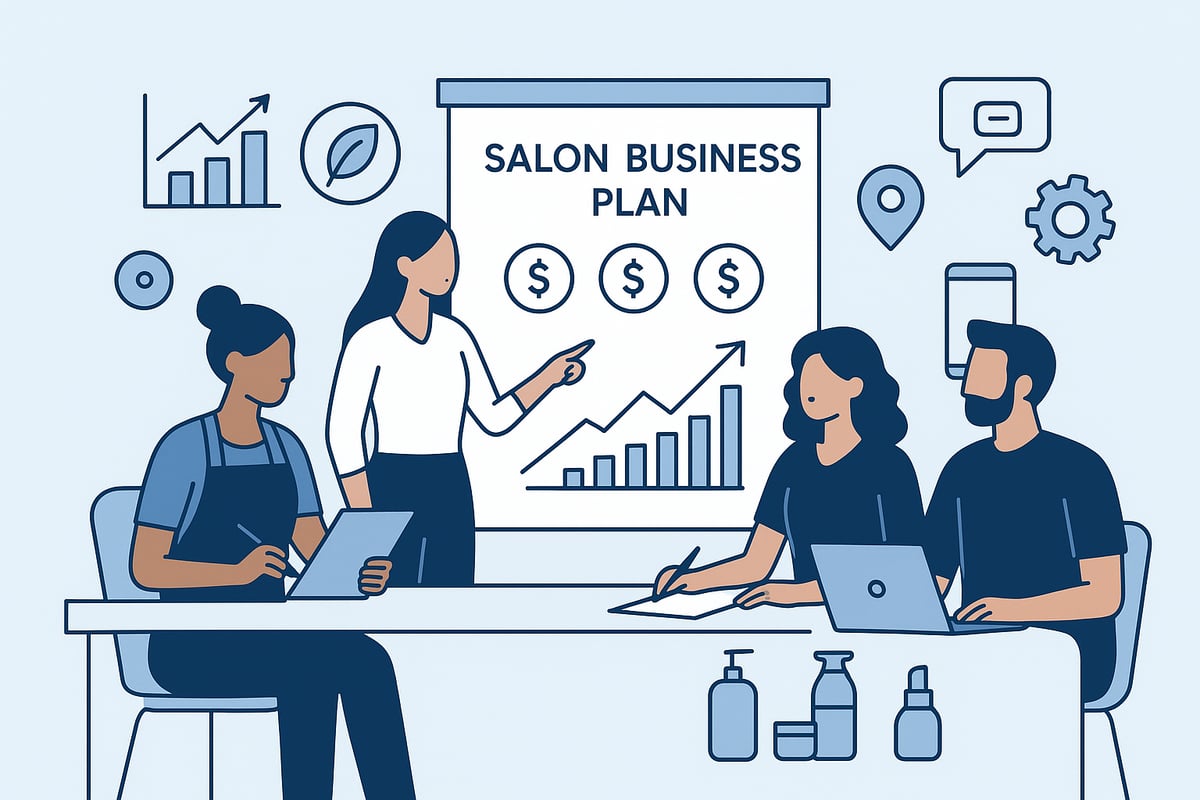
A robust business plan is essential for beauty salon management success in 2026. Begin by defining your mission, vision, and core values, ensuring they align with industry shifts like sustainability, wellness, and inclusivity. Unique selling propositions, such as eco-friendly products or tech-enabled services, help your salon stand out amid rising competition.
Financial forecasting should account for inflation, wage growth, and investments in technology. Scenario planning prepares your business for supply chain disruptions or market changes. For example, a salon that switched to sustainable products saw a 25% increase in millennial clients (Modern Salon, 2025).
Set measurable KPIs to track progress, such as:
| KPI | Target Example |
|---|---|
| Revenue per client | $75 |
| Rebooking rate | 65% |
| Retail sales % | 20% |
Diversify revenue streams to boost resilience, offering retail products, online classes, or memberships. For more actionable strategies, explore beauty salon management best practices.
The right plan positions your salon to adapt quickly, capitalize on trends, and deliver consistent growth.
Recruiting, Training, and Retaining Top Talent
Success in beauty salon management relies on attracting and retaining skilled professionals. Competitive compensation packages, including performance bonuses and flexible scheduling, appeal to top talent in a tight labor market.
Invest in continuous education, covering AI tools, advanced techniques, and customer service excellence. This not only enhances skills but also motivates staff to stay engaged. Foster a positive, inclusive culture by celebrating diversity and promoting open communication.
Mentorship programs and clear career progression paths encourage loyalty and professional growth. Use data analytics to recognize and reward high performers, supporting a culture of achievement.
Regularly review your recruitment and retention strategies to ensure alignment with industry expectations. By prioritizing staff development, your salon builds a strong foundation for long-term success and client satisfaction.
Leveraging Technology for Efficient Operations
Technology is reshaping beauty salon management, creating opportunities for efficiency, smarter decisions, and improved client satisfaction. Successful salons in 2026 will depend on the right tools to automate operations, personalize experiences, and grow with evolving market demands.
The Role of Salon Management Software in 2026
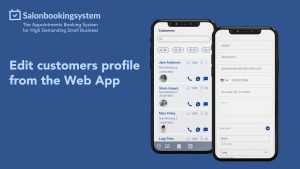
Salon management software is now the backbone of beauty salon management. In 2026, these platforms centralize booking, scheduling, and client profiles, making daily tasks easier for staff and owners. Integration with payment gateways, inventory systems, and marketing tools keeps all business functions connected.
Automated reminders and confirmations help decrease no-show rates by up to 40% (Phorest, 2024). This not only protects revenue but also ensures smooth appointment flow. Data analytics dashboards allow for real-time tracking of key performance indicators like rebooking rates, revenue per client, and retail sales percentages. Salons using advanced booking systems report 20% higher client retention (Statista, 2025).
Security is critical in beauty salon management, with platforms offering robust privacy features to comply with new regulations. Scalable solutions support multi-location operations, helping salons expand or adapt quickly. Choosing software that can grow with your business is essential for future-proofing your salon’s success.
| Feature | Benefit |
|---|---|
| Centralized Scheduling | Reduces manual errors |
| Automated Reminders | Lowers no-shows, saves time |
| Data Analytics | Informs business decisions |
| Payment Integration | Speeds up checkout, tracks revenue |
| Scalability | Supports growth and multiple sites |
How Online Booking Systems Like Salon Booking System Transform Salon Management
Online booking systems are revolutionizing beauty salon management by streamlining appointment scheduling, automating communications, and integrating payments. With platforms like Salon Booking System overview, administrative workloads are reduced, allowing teams to focus on service quality.
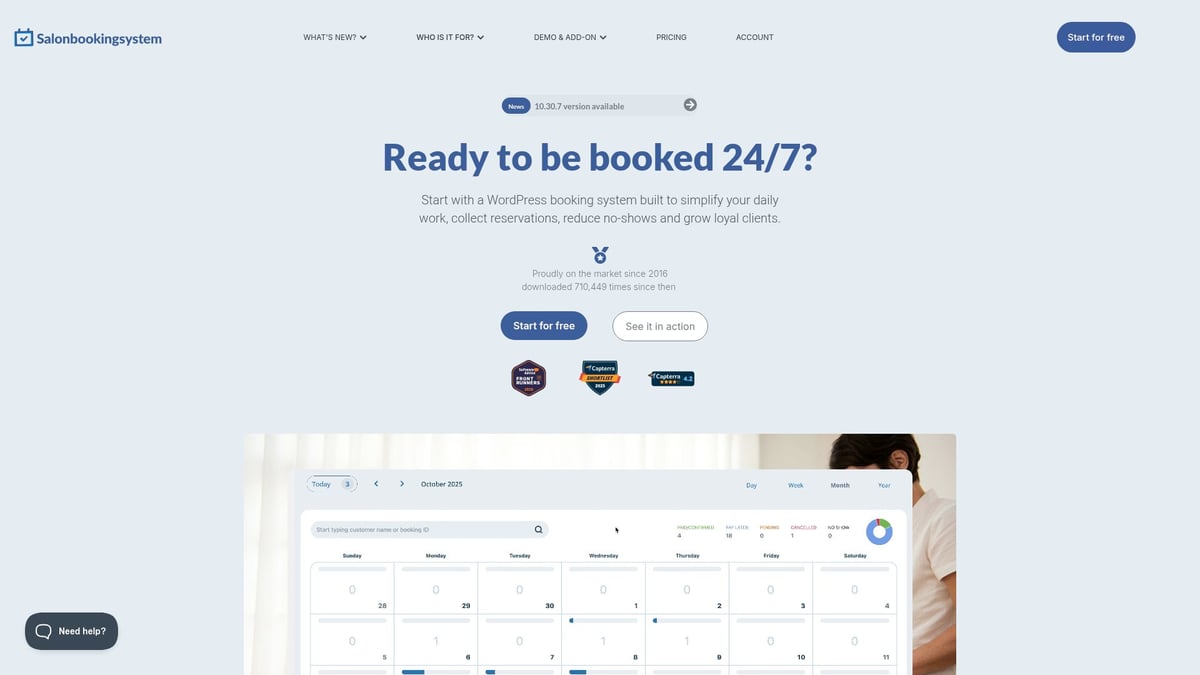
Salons adopting these tools report fewer scheduling errors and a boost in positive client reviews. Automated confirmations, reminders, and follow-ups improve client attendance and retention. The intuitive interfaces ensure both staff and clients can easily use the system, removing barriers to efficient booking.
Seamless integration with marketing and loyalty programs creates opportunities for targeted promotions and personalized offers. This technology enables data-driven insights, helping salons tailor services and spot trends. In today’s competitive landscape, embracing online booking is no longer optional for beauty salon management—it is a foundation for sustainable growth and exceptional client experience.
Delivering Exceptional Client Experiences
In 2026, delivering exceptional client experiences is the cornerstone of effective beauty salon management. As the salon industry evolves, client expectations are rising, shaped by new technologies, wellness trends, and a focus on personalization. Successful beauty salon management hinges on creating memorable, seamless interactions that keep clients returning and recommending your services.

Personalization and Service Excellence
Personalization is a defining feature of beauty salon management in 2026. By leveraging client data, salons can recommend bespoke services, products, and promotions tailored to individual needs. This approach not only enhances satisfaction but also increases revenue per visit. For instance, salons offering custom service bundles have seen a 30% rise in average ticket size, according to the Professional Beauty Association.
Loyalty programs and targeted incentives play a crucial role in retaining clients. Automated systems streamline check-in, consultation, and checkout, reducing wait times and ensuring a smooth journey. Consistent service quality is achieved through standardized protocols and ongoing staff training.
Collecting real-time feedback is essential for continuous improvement. Tools like NPS surveys and online reviews help salons adapt quickly to client preferences. Showcasing real-world experiences, such as those found in salon client testimonials, can inspire trust and demonstrate the tangible impact of client-centric strategies. Creating an inclusive and accessible environment further strengthens client loyalty and positions your salon as a leader in beauty salon management.
Health, Safety, and Cleanliness in the Post-Pandemic Era
Health, safety, and cleanliness remain top priorities in beauty salon management. Adhering to updated sanitation protocols is non-negotiable. Salons must communicate their safety measures transparently, using signage, digital reminders, and pre-appointment notifications to reassure clients.
Investing in touchless payment systems and digital forms minimizes physical contact, supporting both hygiene and convenience. Staff should receive regular training on the latest hygiene procedures and emergency protocols to ensure compliance with evolving regulations.
Building client trust depends on visible cleanliness and proactive measures. Regular disinfection of stations, tools, and high-touch surfaces is mandatory. By exceeding health and safety expectations, salons reinforce their commitment to client well-being and set a new standard for excellence in beauty salon management.
Marketing, Branding, and Community Engagement
A forward-thinking approach to beauty salon management in 2026 means mastering both digital and local engagement. To stand out in a crowded market, salons must blend innovative marketing techniques with authentic community connections.
Digital Marketing Strategies for 2026
For beauty salon management, digital marketing is rapidly evolving. Platforms like Instagram and TikTok are essential for visual storytelling and showcasing trending services. Salons with active social media presence are seeing up to 50% more new client bookings, according to Salon Today, 2025.
Key strategies include:
- Leveraging user-generated content and influencer partnerships to build trust.
- Optimizing Google Business Profiles and local SEO for maximum visibility.
- Running targeted ads and retargeting campaigns to reach ideal clients.
- Sending personalized offers and reminders through email and SMS marketing.
Staying ahead means embracing trends highlighted in the 2026 beauty and wellness trends report, such as wellness integrations and tech-forward services. Informed beauty salon management integrates these insights to attract and retain a future-focused clientele. Data-driven campaigns help salons adapt to shifting preferences and maintain a competitive edge.
Building a Strong Brand and Local Presence
Equally vital to beauty salon management is developing a recognizable brand and fostering community ties. Start by defining your brand identity—visuals, messaging, and core values should reflect your unique approach and resonate with your audience.
Engage locally by:
- Hosting community events, workshops, and pop-up experiences.
- Partnering with neighborhood businesses for cross-promotions.
- Showcasing staff expertise and salon culture online.
Authentic testimonials and client success stories build credibility. Highlighting your team’s skills and dedication fosters client loyalty. These efforts create a welcoming environment that keeps your brand top of mind and drives word-of-mouth referrals.
A strong community presence, combined with consistent branding, positions your salon for long-term growth. As beauty salon management adapts to 2026, this balance of digital and local strategies will be crucial for lasting success.
Data-Driven Decision Making and Compliance
In 2026, data-driven decision making is at the heart of effective beauty salon management. Owners and managers are expected to combine analytics with strong compliance practices to ensure sustainable growth, client trust, and regulatory alignment.
Tracking Performance and Using Analytics
Successful beauty salon management depends on tracking the right metrics. Focus on these key performance indicators (KPIs):
- Revenue per client
- Rebooking rates
- Client retention
- Retail sales percentage
- Staff productivity
Modern dashboards and reports offer real-time visibility into these numbers, making it easier to spot trends and identify bottlenecks. According to Kline & Company (2024), salons that embrace data-driven strategies achieve 15% higher year-over-year growth compared to those relying on intuition alone.
Tools like Salon management software features empower teams to monitor KPIs, automate reporting, and analyze client preferences. This enables quick adjustments to marketing, staffing, or inventory strategies. Regular financial audits and inventory checks further support accuracy and accountability within beauty salon management.
Navigating Legal, Regulatory, and Ethical Considerations
Staying compliant is non-negotiable for beauty salon management in 2026. Regulations evolve quickly, so it is essential to:
- Monitor licensing and health regulations updates
- Follow labor laws and wage requirements
- Maintain inclusive hiring and anti-discrimination practices
- Protect client data privacy by complying with GDPR/CCPA
- Establish clear policies for refunds, cancellations, and disputes
Ensure all staff receive regular compliance training. Use digital systems to document procedures and keep records up to date. By building a culture of transparency and accountability, salons can protect their reputation and strengthen client loyalty. Proactively addressing legal and ethical standards positions your salon as a trusted industry leader.
As you look ahead to managing a successful beauty salon in 2026, it’s clear that embracing the right technology can make all the difference. With streamlined scheduling, automated reminders, and a user friendly interface, you’ll free up more time to focus on what really matters—delivering exceptional client experiences and growing your business. If you’re ready to simplify your operations and stay ahead of the curve, you can explore the benefits of an intuitive booking platform. Why not take the next step and Start for free today